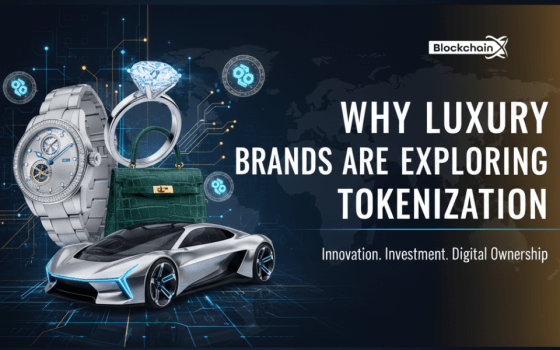
Scope of Tokenized Luxury Market Research
Tokenized luxury market research analyzes how high-value physical assets—fine art, rare watches, vintage wine—function as tradable financial instruments on-chain. Unlike general Real World Asset (RWA) analysis, which often covers treasury bills or broad real estate, this niche requires a specialized lens on provenance, authenticity, and fractional ownership. When a €500,000 watch is tokenized, the research must account for the digital twin’s link to the physical item, the legal structure of ownership, and the secondary market’s liquidity patterns.
This distinction matters because luxury assets behave differently than traditional commodities. Their value is heavily influenced by brand prestige, condition, and historical provenance—factors difficult to quantify on a blockchain but critical for pricing. Research in this space evaluates how platforms like Brickken manage these physical-digital bridges, ensuring that the token represents a genuine, verifiable claim on the underlying asset.
The market is also shifting toward pre-owned luxury, which is growing faster than primary sales. Tokenization facilitates this by lowering the entry barrier, allowing fractional shares of high-value items. This creates a new liquidity layer for assets that were previously illiquid or accessible only to ultra-high-net-worth individuals. Understanding this shift is central to any serious analysis of the sector.
Choosing the Right Tokenization Infrastructure
Building a tokenized luxury market research framework requires more than just a blockchain; it demands a compliant infrastructure that handles custody, legal wrappers, and secondary liquidity. The gap between a standard NFT and a regulated financial instrument is defined by the underlying platform. For high-stakes analysis, you must evaluate providers on their ability to manage KYC/AML compliance, support specific asset classes (from fine art to automobiles), and facilitate regulated trading.
The infrastructure landscape is fragmented. Some platforms act as full-stack providers, handling everything from legal structuring to investor onboarding, while others offer modular tools for developers. Below is a comparison of key players to help you assess which fits your research parameters.
| Platform | Compliance & Legal | Supported Assets | Secondary Market |
|---|---|---|---|
| Brickken | Built-in KYC/AML, SEC Reg D/S, MiCA-ready | Art, wine, cars, real estate | Integrated marketplace with investor verification |
| Norion | Token-gated access, regulatory alerts | Luxury goods, collectibles, fractional shares | Limited native liquidity; primarily OTC or external DEX |
| Securitize | SEC-registered transfer agent, strict Reg D/S | Broad RWA, private credit, equity | Primary focus on private markets; secondary via authorized exchanges |
| Moss.Earth | Carbon credit specific, voluntary market standards | Carbon credits, sustainability assets | Internal exchange for carbon offsets |
Brickken stands out for its end-to-end approach to luxury assets. Their platform is designed specifically for high-value physical goods, offering a seamless bridge between the physical asset and its digital twin. This is particularly relevant for research focused on tangible goods like cars and art, where custody and authenticity are paramount. Their built-in compliance tools reduce the friction of onboarding accredited investors, a critical factor for any serious market analysis.
Norion takes a more modular approach, focusing on the tokenization layer itself. While flexible, it often requires partners to layer their own compliance and liquidity solutions. This can be advantageous for researchers building custom workflows but adds complexity when evaluating the total cost and regulatory burden of a tokenized asset.
For broader RWA contexts, platforms like Securitize provide robust compliance infrastructure but are less specialized in the "luxury" vertical. Their strength lies in institutional-grade transfer agency services, which may be overkill for smaller-scale luxury asset research but essential for large-scale financial instruments.
The choice of infrastructure directly impacts the liquidity profile of the assets you are researching. Platforms with integrated secondary markets, like Brickken, offer more real-time data on price discovery and trading volume, which is crucial for accurate market analysis. In contrast, platforms relying on external liquidity pools may present fragmented data, making it harder to establish a clear market value for the underlying luxury asset.



As an Amazon Associate, we may earn from qualifying purchases.
Measuring Liquidity in the Secondary Market
Assessing liquidity in the tokenized luxury sector requires distinguishing between the initial issuance of tokens and the active trading that follows. While primary issuance volumes signal investor interest, secondary market activity determines whether those assets can be converted back to cash when needed. Without robust secondary trading, tokenized luxury items remain illiquid collectibles rather than financial instruments.
The growth trajectory of this sector highlights the importance of these metrics. In 2024, the total value of tokenized assets exceeded $2.9 trillion, with the luxury segment projected to reach $13.53 billion by 2030. However, rapid growth in supply does not automatically translate to liquidity. Investors must scrutinize daily trading volumes, bid-ask spreads, and the number of active holders to gauge true market depth.
A critical indicator is the ratio of secondary sales to primary issuances. A healthy market typically shows consistent secondary activity, suggesting that investors are confident in the asset's long-term value and the platform's ability to facilitate trades. Conversely, high issuance with low secondary volume often indicates a "zombie market" where tokens are held indefinitely or traded infrequently, limiting their utility as investment vehicles.
When evaluating specific platforms, look for transparency in order book data and settlement times. The pre-owned and resale segment is currently the fastest-growing area in luxury, driven by sustainability concerns and younger demographics. Tokenized luxury assets that integrate seamlessly into this secondary ecosystem offer significantly higher liquidity potential than those restricted to closed, primary-only markets.
Valuing Tokenized Luxury Assets
Valuing a tokenized luxury asset requires bridging the gap between traditional appraisal methods and blockchain mechanics. Unlike standard equities, the price of a token is tethered to a physical object that must be authenticated, stored, and insured. The market is nascent, with crypto-native luxury brands expected to expand at a CAGR of 32.50%, but this growth brings unique valuation challenges that go beyond simple supply and demand HTF Market Insights.
Provenance and Physical Custody
The cornerstone of any luxury valuation is provenance. In the tokenized space, this means verifying that the digital token accurately represents the specific physical item. If the chain of custody is broken or the physical asset is mismanaged, the token’s value collapses. Investors must scrutinize the custodian’s insurance policies, storage conditions, and audit trails. A token is only as valuable as the tangible asset it claims to represent, making physical verification a non-negotiable part of the due diligence process.
Price Discovery in a Nascent Market
Price discovery for tokenized luxury goods is still evolving. Unlike stocks, which trade on liquid exchanges with real-time data, luxury tokens may trade on specialized platforms with lower volume. This can lead to significant discrepancies between the token’s market price and the underlying asset’s appraised value. Investors should look for platforms that offer transparent pricing mechanisms and regular independent appraisals. The secondary market for pre-owned luxury goods is expanding rapidly, adding another layer of complexity to valuing these assets Swap Commerce.
The Role of Technology
Technology plays a dual role in valuation. Blockchain provides an immutable record of ownership, reducing fraud and increasing trust. However, it also introduces new risks, such as smart contract vulnerabilities and platform dependency. Investors need to understand the technical infrastructure behind the token. This includes the blockchain network used, the smart contract’s security audits, and the platform’s ability to handle redemptions or physical delivery. Without a robust technical foundation, even a high-quality physical asset may not retain its value in the digital realm.
Due Diligence Checklist
Before investing in a tokenized luxury asset, consider the following checklist:
- Verify the custodian’s reputation and insurance coverage.
- Check the frequency and independence of physical appraisals.
- Review the smart contract’s audit history and security measures.
- Assess the liquidity of the token on secondary markets.
- Understand the redemption process for physical delivery.
Frequently asked questions about tokenized luxury
What is tokenization of luxury goods?
Tokenization transforms physical luxury assets—such as high-end watches, fine art, or real estate—into digital tokens on a blockchain. This process allows investors to acquire fractional shares of these assets, effectively democratizing access beyond traditional wealthy elites. For instance, a €500,000 watch can be divided into 10,000 tokens worth €50 each, enabling broader participation in the market.
What is the fastest-growing segment in luxury?
The fastest-growing segment in the luxury sector is the pre-owned or resale market. This secondary market is expanding significantly faster than the primary luxury market, driven by sustainability concerns, younger consumers entering the space, and rising primary prices. As tokenization intersects with this trend, it offers new ways to verify authenticity and track ownership history for these high-value secondary assets.
How large is the tokenized luxury market?
The broader tokenized assets market exceeded $2.9 trillion in value in 2024. Within this ecosystem, the specific tokenized luxury goods market is projected to reach $13.53 billion by 2030, growing at a substantial annual rate. This rapid expansion highlights the increasing institutional and retail interest in using blockchain technology to trade and research luxury goods.
Is tokenized luxury a secure investment?
While blockchain technology provides immutable records of ownership and authenticity, tokenized luxury investments carry market and liquidity risks. The value of tokens is tied to the underlying physical asset, which requires robust custodial solutions. Investors should conduct thorough market research to understand the legal framework, custody arrangements, and secondary market liquidity before committing capital.
No comments yet. Be the first to share your thoughts!