What tokenized luxury actually means
Tokenized luxury is not a new form of digital art. It is the conversion of high-value physical assets—such as Swiss watches, fine art, and real estate—into digital tokens on a blockchain. This process creates a regulated financial instrument that represents fractional ownership of tangible value, distinct from the speculative nature of most NFTs.
The infrastructure behind this model relies on tokenized collectibles, which are blockchain-based tokens that represent specific ownership rights to a physical item. When you hold a token, you hold a claim on the underlying asset. This structure allows investors to acquire fractions of expensive items that were previously accessible only to ultra-high-net-worth individuals.
This shift moves luxury from a purely consumption-based model to an investment-grade asset class. By leveraging blockchain technology, the market introduces liquidity and transparency to sectors that have historically been illiquid and opaque. The focus is no longer on the novelty of the digital file, but on the legal and financial mechanisms that tie the token to the physical object.
The goal is to democratize access to luxury while maintaining the integrity of the asset. This requires robust legal frameworks and secure storage solutions to ensure the physical item exists and is protected. The token serves as the proof of ownership, bridging the gap between the digital ledger and the physical vault.
Infrastructure choices for 2026
Choosing the right blockchain layer is the first structural decision in tokenizing luxury assets. The platform must balance the high transaction volume required for secondary trading with the strict compliance frameworks needed for high-value goods. In 2026, the landscape is defined by three primary options: Ethereum Virtual Machine (EVM) chains, Solana, and permissioned enterprise ledgers.
EVM chains remain the standard for liquidity and developer maturity. Their extensive ecosystem allows for seamless integration with existing decentralized finance (DeFi) protocols, making them ideal for assets where tradability is the primary value driver. However, gas fees and network congestion can create friction during high-volume trading periods.
Solana offers a high-performance alternative optimized for speed and low cost. Its architecture supports thousands of transactions per second, which is advantageous for micro-fractionalized luxury items or high-frequency secondary markets. The trade-off lies in network stability and the current depth of institutional compliance tooling compared to established EVM networks.
Permissioned chains, such as those built on Hyperledger Fabric or Corda, provide a controlled environment suitable for regulated luxury goods. These networks restrict node access, ensuring that only verified participants can transact. This structure simplifies regulatory reporting and identity verification (KYC/AML) but sacrifices the open liquidity and public transparency of public chains.
The following comparison outlines the technical and operational differences between these infrastructure choices.
| Feature | EVM Chains | Solana | Permissioned Ledgers |
|---|---|---|---|
| Liquidity Depth | High | Moderate | Low |
| Transaction Speed | Low-Moderate | High | Moderate |
| Compliance Control | Low | Moderate | High |
| Development Maturity | High | Moderate | Low-Moderate |
| Gas Fees | Variable | Low | Internal |
For most luxury brands, the decision hinges on the balance between open market access and regulatory certainty. EVM chains are generally preferred for assets where broad investor participation is the goal, while permissioned ledgers are better suited for exclusive, high-net-worth circles where compliance is paramount.
Onchain credit and liquidity mechanics
Tokenized luxury assets face a persistent problem: they are illiquid. A physical Rolex or a rare wine collection cannot be easily split, traded, or used as collateral in traditional finance. Onchain credit markets solve this by turning static holdings into active capital. Instead of selling an asset to raise cash, owners can lock their tokenized luxury goods into a lending protocol and borrow against their value.
This process relies on over-collateralization. A protocol might accept a tokenized handbag worth $10,000 as collateral for a $4,000 loan in stablecoins. The borrower retains ownership of the underlying asset while gaining immediate liquidity. If the loan is repaid, the collateral is released. If the value of the luxury asset drops below a certain threshold, the protocol liquidates the token to recover the loan. This mechanism creates a secondary market for luxury assets that did not exist before, allowing prices to be discovered in real-time rather than through infrequent private auctions.
For investors, this infrastructure changes the risk profile of luxury goods. It reduces the need to sell during market downturns, as credit lines can provide liquidity when cash is needed. However, it introduces smart contract risk and volatility risk. The value of the collateral must be monitored continuously, often using oracle feeds that update the asset's price based on recent sales data from authorized dealers or auction houses.
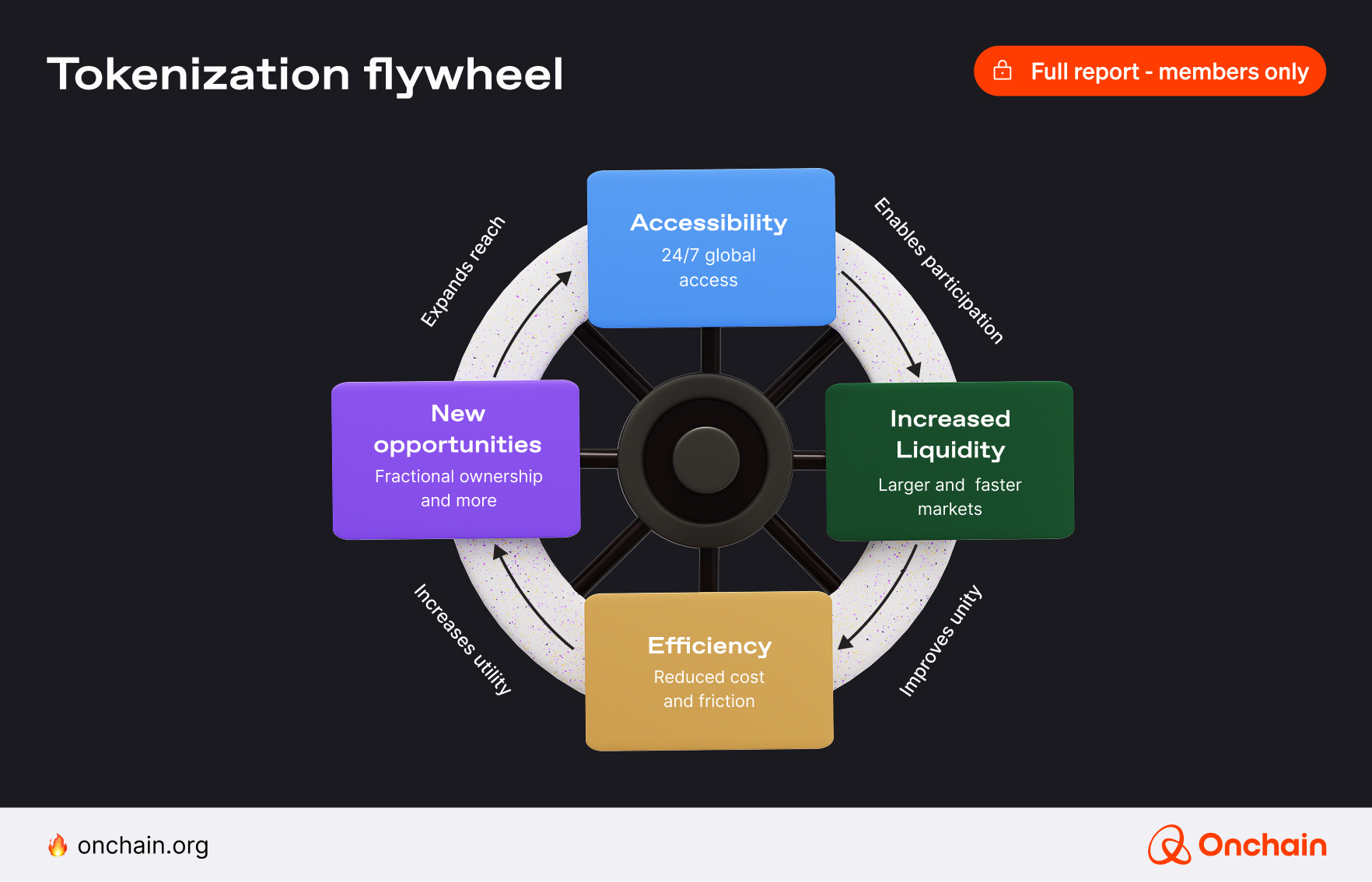
The broader DeFi lending market provides the liquidity pool for these loans. Protocols like Aave or MakerDAO have begun integrating RWA (Real World Asset) collateral, allowing stablecoin holders to earn yield from luxury-backed loans. This connects the luxury sector directly to the broader crypto economy, creating a feedback loop where demand for luxury assets supports DeFi yields, and available liquidity encourages more luxury tokenization.
To understand the scale of this liquidity, it helps to look at the broader DeFi lending landscape. The volume of assets locked in lending protocols reflects the available capital for RWA-backed loans.
Compare top tokenization platforms
Choosing the right infrastructure depends on the asset class you are tokenizing and the regulatory environment of your target investors. Real estate, fine art, and luxury goods each require different compliance structures and liquidity models. The table below breaks down the leading platforms to help you match your specific needs.
| Platform | Primary Asset | Regulatory Focus | Fee Model |
|---|---|---|---|
| Securitize | Real Estate & Funds | US (SEC Reg D/S) | Setup + 1% annual |
| Tokeny | Real Estate & Art | EU (MiCA/DSA) | Per-token + compliance |
| tZERO | Public Securities | US (SEC Reg A+) | Listing + trading fees |
| Brickken | Luxury Real Estate | Global (KYC/AML) | Transaction-based |
Securitize dominates the US market for regulated real estate and fund tokenization, leveraging its status as a transfer agent to handle complex compliance. Tokeny is the go-to for European assets, offering robust compliance tools that align with MiCA regulations. For luxury goods like art or watches, platforms like Brickken focus on fractional ownership models with lighter, transaction-based fees.
When evaluating these options, look beyond the headline fee. Consider the cost of onboarding investors, the liquidity of secondary markets, and the platform's ability to handle corporate actions like dividend distributions. The right choice balances regulatory safety with the operational flexibility your asset class requires.



As an Amazon Associate, we may earn from qualifying purchases.
2026 Market Outlook: Infrastructure Meets Liquidity
The tokenized luxury market is shifting from experimental pilots to structured infrastructure. In 2026, the focus is no longer just on the novelty of fractional ownership, but on the reliability of the underlying rails that support high-value assets like fine watches, artwork, and real estate. Growth is being driven by regulatory clarity and the integration of traditional financial-grade custody with blockchain efficiency.
Regulatory frameworks in the EU and US are providing the guardrails necessary for institutional participation. With MiCA and evolving SEC guidance, tokenized RWAs are moving into a phase of compliance-first scaling. This reduces counterparty risk and allows luxury brands to partner with established fintech providers, creating a more stable ecosystem for secondary trading.
While Bitcoin serves as a broader market sentiment indicator, the real action in tokenized luxury is happening in private liquidity pools and specialized platforms. The 2026 outlook suggests a consolidation of players, where only those with robust KYC/AML infrastructure and clear legal titling mechanisms will survive. For investors, this means higher quality assets and more transparent pricing, even if entry barriers remain higher than typical retail crypto products.
Checklist for launching a tokenized asset
Tokenizing a luxury asset moves it from a static holding to a liquid, tradable instrument. This process requires aligning legal structures, technical infrastructure, and custodial security before any token is minted. Use this checklist to ensure your launch is compliant and operationally sound.
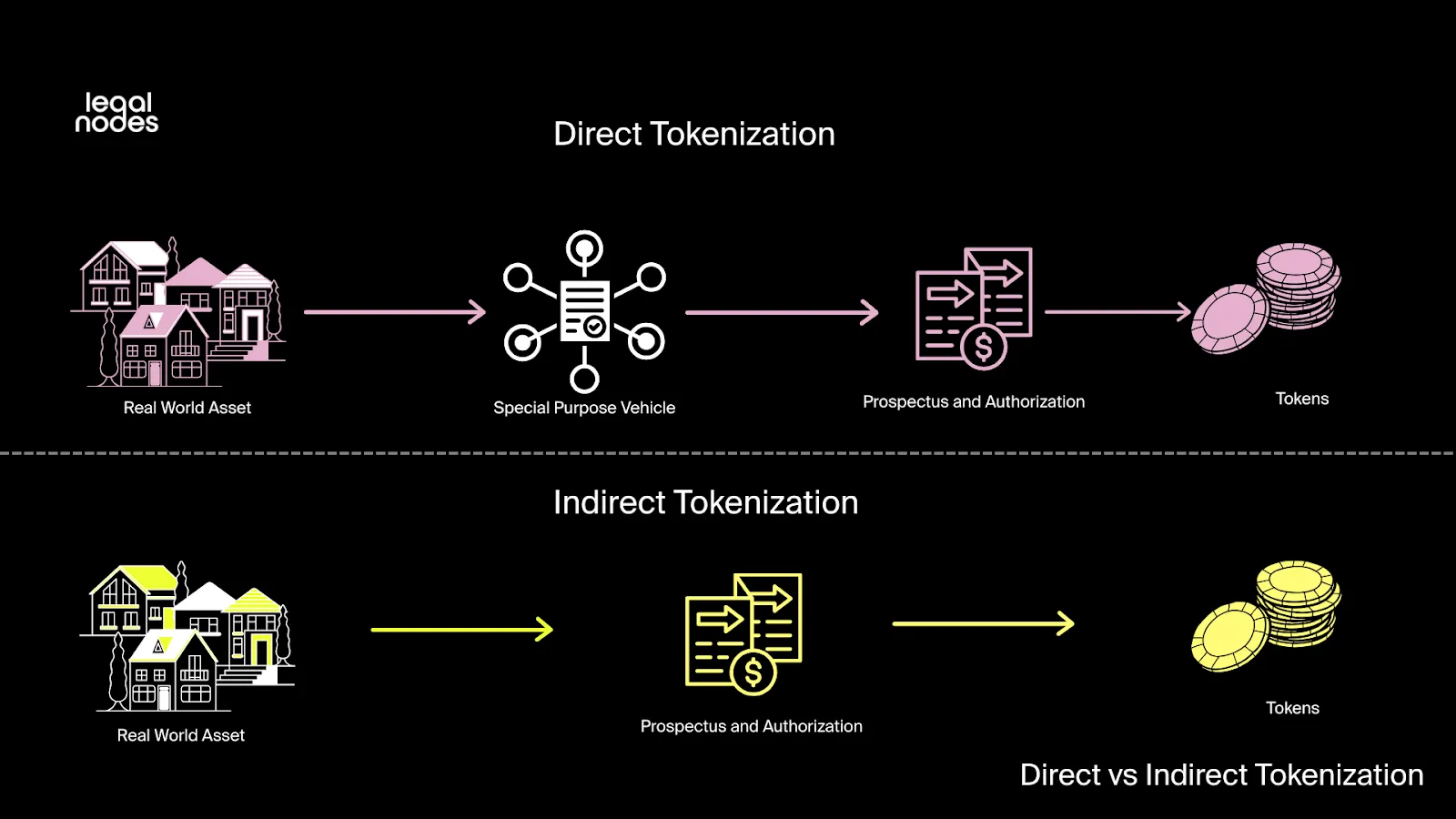
Establish the legal vehicle for the token, such as a Special Purpose Vehicle (SPV) or trust. Ensure your smart contract terms align with securities laws in your target jurisdictions. Consult legal experts to define ownership rights, dividend distribution, and transfer restrictions.
Obtain a professional, independent appraisal of the physical luxury item. This valuation serves as the baseline for token pricing. Document the asset’s provenance, condition, and authenticity with high-resolution media and certificates to build investor confidence.
Deploy a secure smart contract on a suitable blockchain. The contract should handle token minting, transfers, and any automated compliance checks (like KYC/AML). Audit the code by a reputable firm to prevent vulnerabilities that could compromise investor funds.
Secure the physical asset in a bonded, insured vault. Simultaneously, arrange for digital custody solutions for the private keys controlling the token smart contract. This dual-layer security ensures that both the physical item and its digital representation are protected.
Distribute tokens to investors through a compliant platform. Ensure the transfer ledger is transparent and accessible to all token holders. Set up a secondary market listing if liquidity is a key part of your strategy, adhering to all regulatory requirements for trading.
No comments yet. Be the first to share your thoughts!