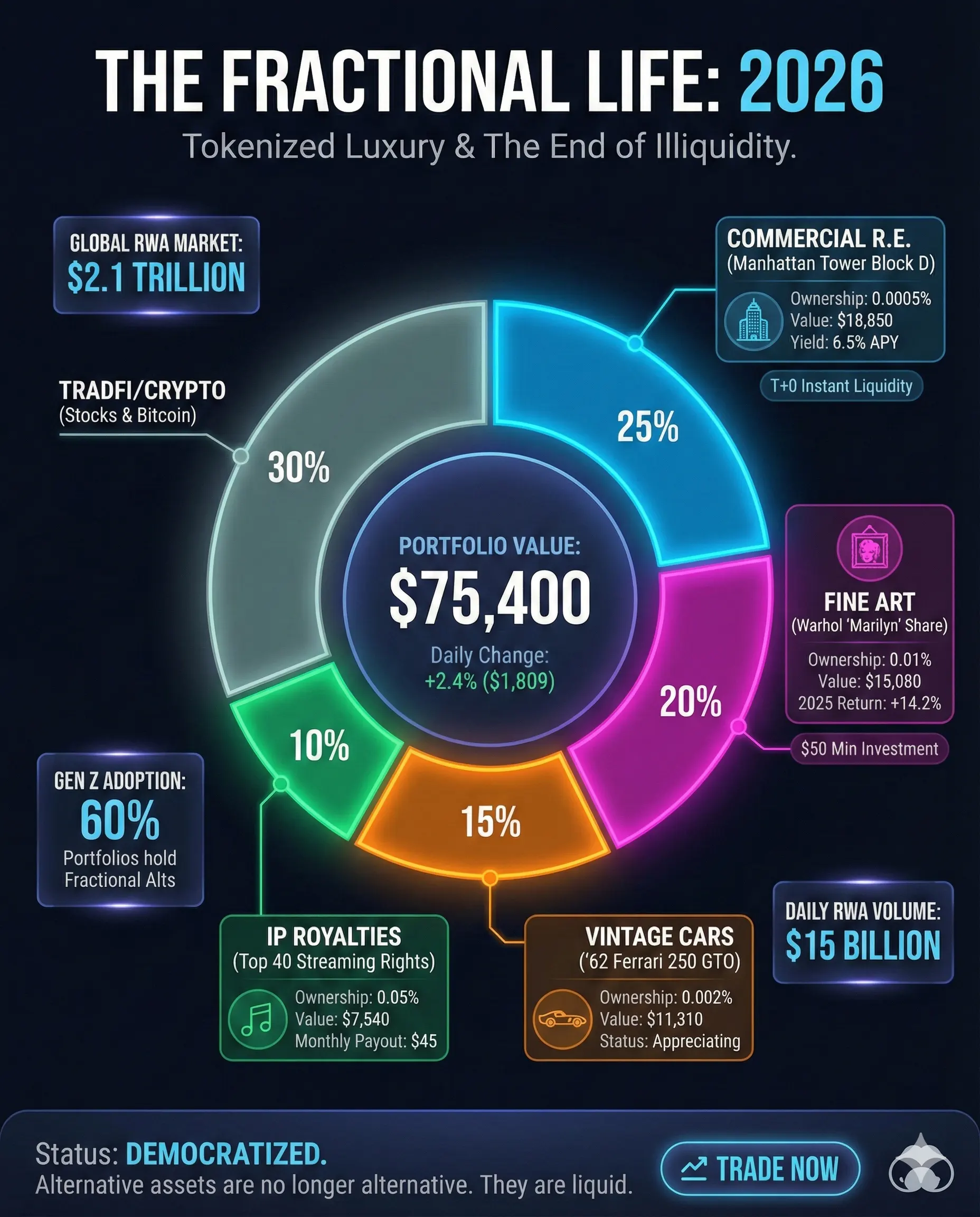
What is tokenized luxury?
Tokenized luxury turns physical high-value items—like watches, art, or wine—into digital tokens on a blockchain. This process allows multiple people to own fractions of a single asset, solving two major problems: illiquidity and high entry costs.
Think of it like a timeshare, but for a $500,000 Patek Philippe. Instead of one person holding the deed, the ownership is split into thousands of digital shares. You buy a share, and you own a proportional piece of the physical object. This structure unlocks liquidity for assets that are traditionally hard to sell quickly.
The blockchain acts as a permanent, tamper-proof ledger. It records every transaction, proving authenticity and tracking ownership history. This transparency is critical in luxury markets where provenance is everything.
Tokenized luxury connects physical luxury items with blockchain based digital records. These items can include watches, art, jewellery, handbags, cars, and rare collectibles. Each record can support authentic ownership transfer and transaction history.
By digitizing ownership, tokenization makes it easier to trade luxury assets without the friction of traditional auctions or private sales. It’s a new way to invest in beauty and craftsmanship, with the flexibility of digital finance.
The workflow for tokenizing luxury assets
Tokenizing a high-value item like a Patek Philippe watch or a contemporary painting is not a simple upload. It is a legal and financial engineering process that bridges the physical world with the blockchain. For issuers, the goal is to create a secure, compliant digital wrapper for the asset. For investors, it is the first step toward fractional ownership.
The process follows a strict linear sequence. You cannot create tokens without first establishing legal ownership and independent valuation. Here is the standard five-step workflow used by professional platforms to tokenize luxury goods.
The process begins with due diligence. You must select an asset with a clear, documented history. For luxury watches, this means original boxes, papers, and service records. For art, it requires a certificate of authenticity and a clean title chain. Without verifiable provenance, the asset cannot be legally wrapped in a security or utility token.
You cannot put a physical watch directly on the blockchain. Instead, a Special Purpose Vehicle (SPV)—usually a limited liability company—is created to hold the physical asset. The SPV becomes the legal owner. This structure isolates risk and ensures that the token holders have a legal claim to the underlying asset, not just a digital promise.
Before any tokens are minted, the asset must be appraised by a qualified third party. This valuation determines the total capitalization of the token offering. For high-end watches, this might involve experts from Sotheby’s or specialized auction houses. For art, it requires a certified appraiser familiar with the specific artist’s market. This value becomes the denominator for your token price.
Once the legal and financial foundations are set, smart contracts are deployed. These contracts define the token’s rules: transfer restrictions, dividend distributions (if applicable), and voting rights. The tokens are typically minted on established networks like Ethereum or Polygon to ensure liquidity and security. This step creates the digital shares that represent fractional ownership of the SPV.
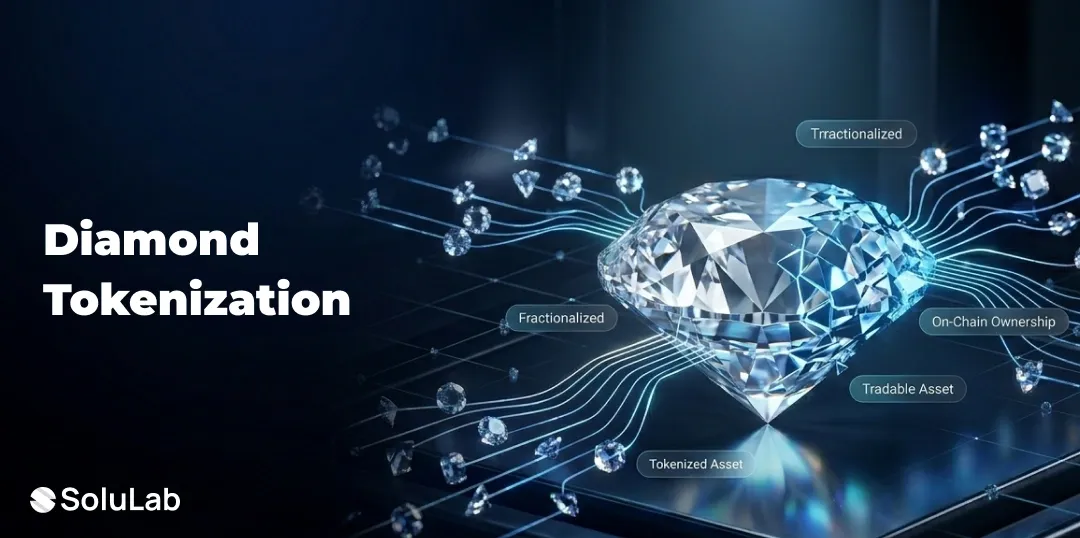
The final step is distribution. Investors must go through Know Your Customer (KYC) and Anti-Money Laundering (AML) checks before they can purchase tokens. The platform then distributes the tokens to their digital wallets. Ongoing compliance, including potential secondary market trading restrictions, is managed through the smart contract’s built-in transfer limits.
Compare Top Fractional Luxury Platforms
Choosing the right marketplace depends on whether you want to trade watches, art, or a mix of both. The infrastructure providers for fractional ownership differ significantly in their asset focus, fee structures, and liquidity options. Mastering this landscape means matching your specific luxury interest with a platform built for that asset class.
The following comparison highlights three major players in the fractional luxury market. Use this table to quickly assess which platform aligns with your investment goals.
| Platform | Primary Focus | Min. Investment | Liquidity | Fees |
|---|---|---|---|---|
| Masterworks | Fine Art | $200 | Secondary market (periodic auctions) | 1.5% buy / 2% sell |
| Rally.io | Watches, Art, Collectibles | Varies by token | Ongoing secondary trading | Platform specific |
| Ynvest | Luxury Watches | €10 | Weekly secondary market | 0.5% transaction fee |
Masterworks is the most established player for fine art, offering a streamlined experience for investors who want exposure to blue-chip paintings. Their model relies on periodic secondary market auctions, which means you cannot sell your shares instantly. This structure suits long-term holders who prioritize asset appreciation over quick turnover.
Rally.io operates differently, acting as a broader infrastructure provider for various luxury assets, including high-end watches and collectibles. Their platform supports ongoing secondary trading, providing more flexibility for investors who want to adjust their positions frequently. However, this flexibility comes with platform-specific fees that vary by token.
Ynvest focuses specifically on luxury watches, a niche that has gained significant traction in the tokenization space. With a low minimum investment of €10, it offers accessibility that art platforms often lack. Their weekly secondary market provides a regular liquidity window, making it easier to enter or exit positions compared to the auction-based models.
Risks and regulatory checks
Buying fractional watches and art through blockchain tokens is not like buying a stock on a standard exchange. The regulatory landscape is fragmented, and the physical assets you think you own are held by third parties. Before you commit capital, you need to verify that the structure protecting your investment is sound.
Start by checking the issuer’s regulatory status. In the United States, most tokenized securities fall under SEC or FINRA jurisdiction. If the platform is not registered to offer these securities to the public, you are likely participating in an unregistered offering, which carries significant legal risk and limited recourse. Look for clear disclosures from official sources like the SEC’s EDGAR database or the platform’s legal documentation. If the terms of the token offering are vague about ownership structure or legal considerations, walk away.
Next, scrutinize the custody arrangement. Who holds the physical watch or painting? Is it a reputable vaulting company or an art storage facility? You need to verify that the custodian carries adequate insurance against theft, damage, and loss. Without this protection, a fire or theft could leave you with worthless tokens. The Chainlink Blog’s definitive guide to tokenized assets highlights that the link between the digital token and the physical asset is only as strong as the legal agreements governing that link. If the custody structure is opaque, the token is just a digital IOU with no real-world backing.
Finally, consider liquidity constraints. Unlike selling shares of Apple, selling fractional art tokens often requires finding a buyer on a secondary market that may be thin or non-existent. Some platforms restrict transfers to accredited investors only, limiting your ability to exit quickly. Review the terms for selling your tokens: are there lock-up periods? Do you have to wait for a specific redemption event? If the platform does not provide a clear, liquid secondary market, you may be stuck holding the token until the asset is sold or redeemed, which could take years.
Common questions about tokenized luxury
Before committing capital to fractional ownership, it helps to understand the mechanics and the risks. This section addresses the most frequent questions buyers ask about tokenizing high-value assets like watches and art.
Helpful gear
Use these product recommendations as a starting point, then choose the size, material, and price point that fit how you actually use the gear.

As an Amazon Associate, we may earn from qualifying purchases.
No comments yet. Be the first to share your thoughts!