Market size and growth trajectory
The tokenized luxury goods market is moving from niche experimentation to a structured financial sector. In 2024, the broader value of tokenized assets surpassed $2.9 trillion, establishing the infrastructure required for high-value digital ownership [StanTax]. Within this expansive ecosystem, luxury goods are emerging as a distinct and rapidly expanding asset class.
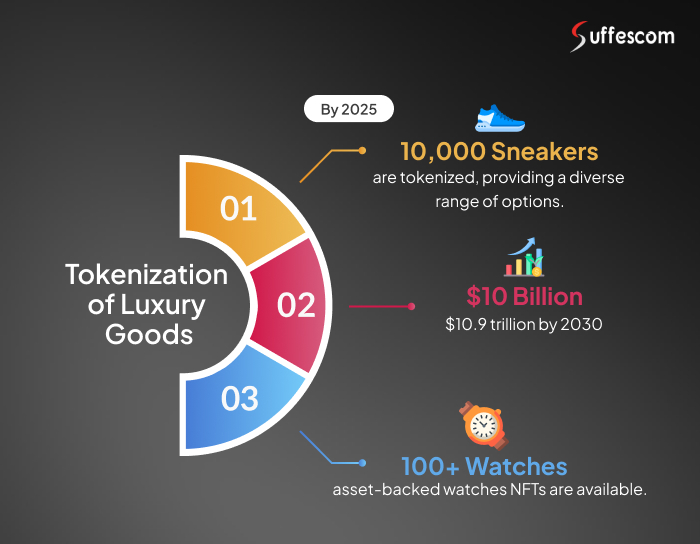
Projections indicate the tokenized luxury goods market could reach $13.53 billion by 2030, driven by an aggressive annual growth rate. This expansion reflects a shift in how consumers and investors approach high-end assets, moving from physical possession to fractional, liquid ownership. The sector’s viability is underscored by adjacent markets; for instance, the tokenized luxury vehicles segment alone is projected to hit $10 billion by 2025 [RWA.io].
This growth is not merely speculative. It is supported by the underlying mechanics of blockchain technology, which reduces friction in authentication, transfer, and fractionalization. As liquidity improves, the barrier to entry for luxury investment decreases, allowing a broader demographic to participate in a market traditionally reserved for high-net-worth individuals. The convergence of digital finance and tangible luxury assets creates a resilient model for value preservation and appreciation.
Infrastructure layers for luxury RWAs
Tokenizing luxury assets requires a multi-layered technical stack that bridges the physical and digital worlds. The process begins with creating a digital twin—a unique cryptographic representation of the physical item—and ends with fractional ownership on a blockchain. This infrastructure ensures that every token is backed by verifiable, real-world value.
The Digital Twin and Verification
The foundation of any luxury tokenization effort is the digital twin. This is not merely a 3D model; it is a secure, immutable record linked to the physical asset through RFID chips, NFC tags, or blockchain-based certificates of authenticity. This layer prevents counterfeiting and establishes provenance, which is critical for high-value items like watches or handbags. Without this secure link, the token is just a digital file with no claim on the underlying asset.
Fractionalization Protocols
Once the asset is digitized, fractionalization protocols allow the token to be split into smaller units. This lowers the barrier to entry, enabling investors to own a share of a $500,000 painting or a vintage Ferrari. The protocol manages the distribution of ownership rights, including voting on major decisions like insurance claims or sale authorization. This layer transforms illiquid assets into tradable financial instruments.
Infrastructure Requirements Comparison
Different asset classes require different infrastructure approaches. Art relies heavily on provenance tracking, while vehicles require physical condition monitoring, and fashion focuses on authenticity verification.
| Asset Class | Primary Tech | Fractionalization |
|---|---|---|
| Fine Art | Provenance & Auth | High |
| Luxury Cars | VIN & Condition | Medium |
| Fashion | NFC/RFID | Low-Medium |
Settlement and Custody
The final layer involves secure custody and settlement. Tokens must be held in wallets that comply with regulatory standards, and transfers must be settled on a blockchain that offers speed and low cost. This layer ensures that ownership changes are recorded instantly and transparently, reducing the friction and time associated with traditional luxury asset sales.
Strategic benefits for brands and investors
Tokenized luxury assets create a dual-sided value proposition that aligns the incentives of capital providers with those of heritage brands. For investors, the primary appeal is liquidity in a traditionally illiquid market. For brands, the technology serves as a mechanism for deepening customer loyalty and unlocking new revenue streams through digital ownership.
Liquidity for investors
Luxury goods such as high-end watches, rare handbags, and vintage wine have historically been difficult to trade without incurring significant friction or relying on specialized auction houses. Tokenization breaks these assets into digital shares, allowing investors to buy and sell fractional ownership on secondary markets. This liquidity premium makes luxury exposure accessible to a broader audience, transforming static collectibles into tradable financial instruments.
The market is expanding rapidly as infrastructure matures. Research from Grand View Research indicates the global asset tokenization market is projected to grow significantly through 2033, driven by the demand for fractionalized real-world assets (RWA). This growth reflects a shift in investor behavior, where diversification into tangible luxury goods is becoming a standard portfolio strategy rather than a niche hobby.
Loyalty and revenue for brands
For luxury brands, tokenization is not just a financial tool but a customer engagement strategy. By issuing digital tokens that represent ownership or authenticity certificates, brands can create a direct, verifiable link with their customers. This approach builds strong loyalty, as token holders often receive exclusive access to events, early product drops, or maintenance services.
Smart contracts enable royalty mechanisms. When a tokenized luxury item is resold on a secondary market, the original brand can automatically receive a percentage of the transaction value. This creates a recurring revenue stream from secondary sales, a model previously impossible in the traditional luxury goods ecosystem. As noted by industry analysts, high-end brands are using this technology to transform their relationship with consumers from transactional to relational.
Market context
The convergence of these benefits is reshaping the luxury landscape. Investors gain access to a new asset class with potential for appreciation and liquidity, while brands secure a loyal community and new income sources. This symbiotic relationship is driving the adoption of tokenization across sectors including fashion, jewelry, and automotive collectibles.
To understand the broader market sentiment driving these investments, it is useful to look at related asset classes. The following chart illustrates the price trend of a relevant Real World Asset (RWA) index, reflecting the growing institutional interest in tokenized assets.
Tools and platforms for execution
The infrastructure for tokenized luxury assets is shifting from experimental pilots to operational platforms. These tools bridge the gap between physical high-value goods and digital ownership, handling everything from asset verification to secondary market trading. Selecting the right partner depends on whether you need to tokenize a single asset or manage a portfolio.
Brickken: Institutional-Grade Infrastructure
Brickken serves as a backend infrastructure provider rather than a consumer-facing marketplace. It allows brands and asset owners to tokenize luxury items like art, wine, and cars with compliance built into the token standard. This approach is ideal for enterprises that want to integrate tokenization directly into their existing business models without building blockchain technology from scratch.
Mintology: Verified Digital Ownership
Mintology focuses on the verification and issuance side of luxury tokenization. The platform converts physical luxury assets into blockchain tokens that represent verified ownership or fractional shares. By prioritizing the link between the physical item and its digital twin, Mintology addresses the critical trust issue that often hinders the adoption of real-world asset (RWA) tokenization.
Venly: Wallet and Onboarding Solutions
For platforms that need to onboard users to the blockchain, Venly provides the necessary wallet infrastructure and user experience tools. High-net-worth individuals often find crypto wallets intimidating; Venly simplifies this process, allowing luxury brands to offer seamless digital ownership experiences to their existing client base.
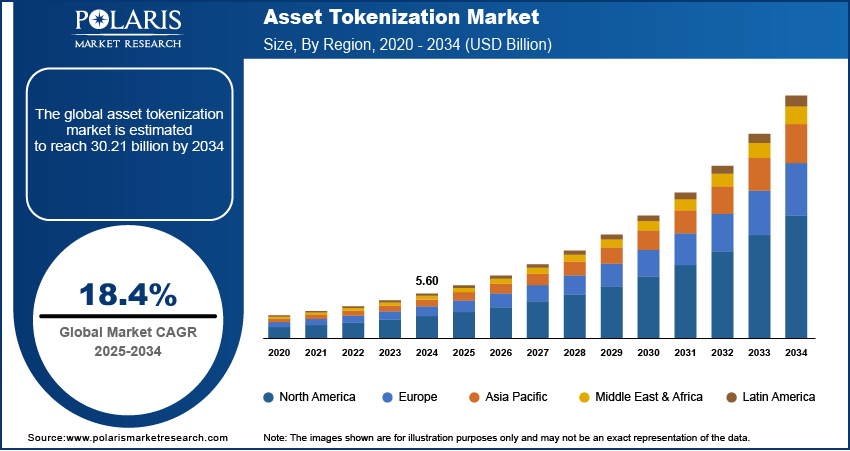
The market for these tools is expanding rapidly as more luxury brands recognize the liquidity benefits of fractional ownership. According to market research, the asset tokenization market is projected to grow significantly through 2034, driven by demand for fractional access to high-ticket items.

As an Amazon Associate, we may earn from qualifying purchases.
Risks and regulatory considerations
The tokenized luxury market operates at the intersection of high-value physical assets and evolving digital finance frameworks, creating a complex risk landscape. While the potential for fractional ownership and enhanced liquidity is significant, the legal and operational uncertainties remain substantial. Investors and brands must navigate a patchwork of regulations that vary significantly by jurisdiction, as no single global standard currently governs tokenized luxury goods.
Legal classification and compliance
The primary regulatory hurdle is determining the legal status of luxury tokens. Are they securities, commodities, or digital collectibles? This classification dictates compliance requirements with bodies like the U.S. Securities and Exchange Commission (SEC) or the European Securities and Markets Authority (ESMA). Misclassification can lead to severe penalties and the invalidation of token contracts. Anti-money laundering (AML) and know-your-customer (KYC) protocols must be rigorously enforced on-chain and off-chain to prevent illicit activity, which is a heightened concern in the luxury sector due to the high value of items like watches and handbags.
Operational and technological risks
Beyond legal frameworks, operational risks threaten the integrity of tokenized assets. The "oracle problem"—the challenge of accurately linking a digital token to its physical counterpart—remains unsolved. If the physical item is damaged, lost, or authenticated incorrectly, the token's value collapses. Smart contract vulnerabilities also pose a threat; code flaws can be exploited by hackers, leading to irreversible losses. Additionally, market liquidity is not guaranteed. Unlike traditional stocks, the secondary market for tokenized luxury goods is nascent, meaning holders may struggle to exit positions quickly without significant price slippage.
Market volatility and valuation
The valuation of tokenized luxury assets is influenced by both the underlying item's market performance and the broader cryptocurrency market dynamics. While luxury goods are often considered alternative investments with lower correlation to traditional markets, tokenization introduces crypto-specific volatility. Fluctuations in the underlying cryptocurrency used for settlement can impact the perceived value of the token. Investors should also be wary of speculative bubbles, as the novelty of the asset class may drive prices beyond fundamental values.
No comments yet. Be the first to share your thoughts!