What tokenized luxury actually means
Tokenized luxury converts high-value physical assets—like watches, art, or jewelry—into digital tokens on a blockchain. This creates an immutable record of ownership and provenance, separating utility-driven ownership from speculative digital collectibles.
Think of it as a digital deed. When you buy a tokenized watch, you hold a stake in the actual object, recorded on a public ledger. This approach brings traditional luxury markets into the digital age, allowing for fractional ownership and simplified resale through verifiable transaction histories.
Steps to tokenize a luxury asset
Tokenizing a high-value asset requires bridging physical reality with digital code. The workflow moves from legal structuring to technical deployment, ensuring the on-chain token accurately reflects ownership of the underlying item.
Select a high-value asset with clear title. Engage experts to verify authenticity and appraise market value. Ensure no legal encumbrances exist.
Form a Special Purpose Vehicle (SPV) to hold the asset. Draft smart contracts that define token rights, such as dividend distribution or voting powers. Consult legal counsel to ensure compliance with securities laws.
Select a blockchain that supports security tokens, such as Ethereum or Polygon. Choose a token standard like ERC-3643 or ERC-1400, which include built-in compliance features like whitelisting and transfer restrictions.
Deploy the smart contract to mint the tokens. Integrate with a regulated secondary trading platform to allow investors to buy and sell fractions. Ensure ongoing compliance monitoring is active.
Infrastructure for onchain luxury markets
Tokenizing a high-value asset isn't just about minting a token; it's about building the trust layer that allows that token to move. Without robust infrastructure, a digital certificate of ownership is just a database entry. For luxury goods—where provenance and authenticity are everything—the technical stack must mirror the rigor of traditional high-finance custody and compliance.
This section covers the three pillars required to make tokenized luxury assets viable: secure custody, reliable data verification, and regulatory compliance. We will compare the leading infrastructure approaches to help you choose the right setup.
Comparing Infrastructure Approaches
Not all tokenization platforms are built equally. The choice of custody solution and compliance layer dictates whether your asset can be traded on secondary markets or remains locked in a private ledger. Below is a comparison of the three primary infrastructure models used in luxury tokenization today.
| Model | Custody Solution | Compliance Layer | Best For |
|---|---|---|---|
| Institutional Grade | Multi-sig wallets (e.g., Fireblocks, Copper) | Built-in KYC/AML gates (e.g., Securitize) | High-net-worth individuals and institutional funds |
| Platform-Managed | Custodian-held private keys | Platform-side identity verification | Retail investors and smaller fractional shares |
| Hybrid/DAO | Decentralized multi-sig (e.g., Gnosis Safe) | Smart contract-based whitelists | Community-driven collectibles and art DAOs |
Custody: Who Holds the Keys?
In the luxury sector, physical assets must be secured by professionals while digital tokens are secured by cryptographic protocols. The most common approach for high-value items like watches or fine art is institutional-grade custody. This involves using multi-signature wallets managed by providers like Fireblocks or Copper. These providers require multiple private keys to authorize any transaction, significantly reducing the risk of theft or error.
For smaller, fractionalized assets, platform-managed custody is often more practical. Here, the tokenization platform holds the private keys on behalf of investors. While this offers convenience, it introduces counterparty risk. If the platform fails, investors may lose access to their tokens. Always verify if the platform is insured and audited before committing capital.
Oracle Data: Verifying Authenticity
Blockchain records the transaction, but oracles verify the asset. For luxury goods, this means connecting the digital token to the physical item’s provenance. Chainlink and other oracle networks can pull data from external sources—such as authentication services, insurance records, or condition reports—to update the token’s metadata in real-time.
This link is critical. If a watch is authenticated by a third-party service like Chrono24 or a brand-specific registry, that data must be fed onto the blockchain via an oracle. Without this, the token is just a number with no backing. As noted in Chainlink’s definitive guide to tokenized assets, reliable data feeds are what transform a speculative token into a trustless asset.
Compliance: KYC and AML Layers
Luxury assets are securities in many jurisdictions. This means you cannot simply sell a token to anyone on the open internet. Compliance layers are embedded directly into the smart contract or the transfer agent’s system. These layers enforce Know Your Customer (KYC) and Anti-Money Laundering (AML) checks before any transfer is allowed.
Providers like Securitize or Tokeny offer compliant transfer agents that automatically reject transactions from unverified wallets. This ensures that your tokenized luxury asset remains legal to trade. Ignoring this layer can result in severe regulatory penalties, especially in the EU under MiCA or in the US under SEC regulations.
How investors generate yield from tokenized luxury
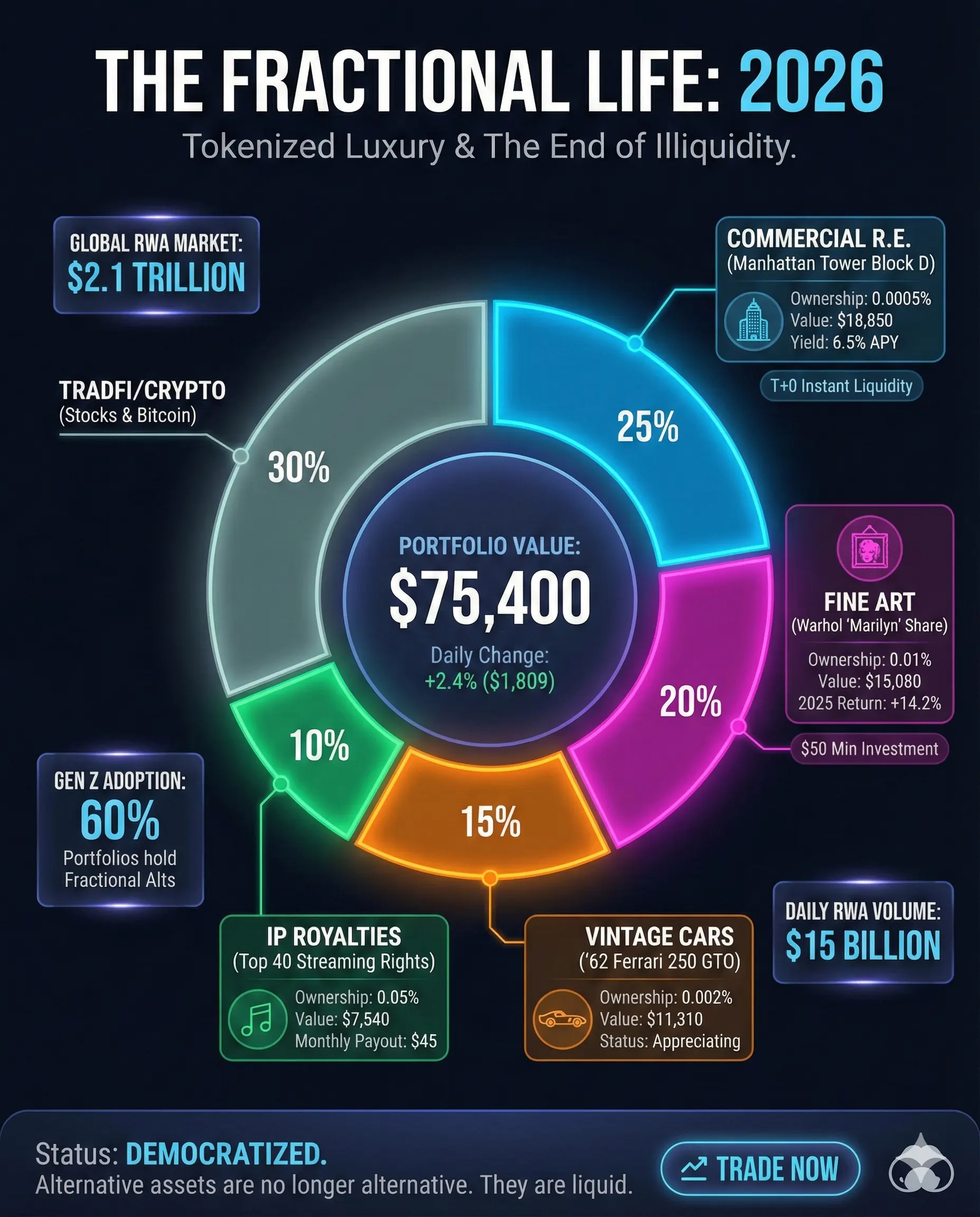
Tokenized luxury assets move beyond simple price appreciation. Once an asset like a rare watch or fine art is fractionalized, it becomes a productive instrument. Investors can now extract value through lending, leasing, or structured dividends without selling their underlying stake.
This approach mirrors how traditional real estate funds operate, but with greater liquidity and transparency. By leveraging blockchain infrastructure, high-value items can serve as collateral or operational assets, creating cash flow streams that were previously inaccessible to fractional owners.
Lending against tokenized collateral
The most immediate yield opportunity involves using tokenized assets as collateral for loans. Platforms allow investors to borrow stablecoins or fiat currency against the value of their tokens. This unlocks liquidity without triggering a taxable sale event.
Interest rates on these loans vary based on the asset's volatility and the platform's risk parameters. For example, a tokenized Rolex Daytona might carry a lower loan-to-value ratio than a more liquid blue-chip stock token. However, the ability to borrow against illiquid luxury goods provides a safety net for cash flow needs.
Leasing and usage rights
For physical assets like art or vehicles, leasing represents a significant yield source. Token holders can vote on leasing agreements or automatically receive a share of rental income. This is particularly effective for high-demand items like supercars or exhibition-grade art.
The platform typically handles insurance, maintenance, and logistics. Investors receive their proportional share of the lease payments in stablecoins. This transforms a static asset into a recurring revenue generator, similar to rental income in traditional real estate.
Fractional dividends and revenue sharing
Some tokenization structures are designed to distribute profits directly to holders. If a tokenized asset generates revenue—such as a licensed art print or a monetized digital experience—profits are distributed proportionally.
This model requires active management of the underlying asset. The token smart contract automates the distribution, ensuring transparency and immediate settlement. Investors benefit from passive income streams that compound over time, enhancing the total return on investment beyond simple capital gains.
Analyze onchain data to verify luxury assets
You can’t trust a screenshot. When buying a tokenized watch or handbag, the blockchain is the only immutable record that matters. Onchain analysis lets you verify authenticity, trace ownership history, and check liquidity before you commit capital.
Check the contract and minting source
Start by verifying the smart contract. Legitimate luxury tokenization platforms use audited contracts with clear metadata standards. Look for the contract address on the platform’s official documentation or reputable sources like Mintology. If the token doesn’t match the official registry, it’s likely a fake or a poorly structured project. TrustScore and official source verification are your first filters.
Trace the ownership chain
Luxury assets gain value through provenance. Use a block explorer to trace the token’s history from minting to its current holder. A clean chain with few transfers suggests a stable, well-managed asset. Frequent, rapid transfers between unknown wallets can signal speculation or money laundering risks. This history is your proof of authenticity.
Assess market liquidity
Even a genuine asset is risky if no one can buy it. Check the trading volume and number of active holders on decentralized exchanges. Low liquidity means you might struggle to sell when you want to. Look for consistent trading activity rather than one-off spikes. This data tells you if the market for this specific luxury token is healthy.
Verify metadata and physical linkage
Onchain data must match the physical item. Check if the token’s metadata includes high-resolution images, certificates of authenticity, or RFID/NFC chip hashes linked to the physical object. Platforms like Teqnovos highlight that this digital-physical bridge is critical. Without this link, you’re just holding a digital receipt for nothing.
Common mistakes in luxury tokenization
Even with a solid asset, the tokenization process can fail if you skip the structural safeguards. High-value items like watches, art, or cars require more than just a digital ledger; they need airtight legal and physical backing. Below are the three most frequent pitfalls and how to avoid them.
Ignoring Regulated Custody
The biggest risk isn't the blockchain; it's the physical asset. If the underlying luxury item is stored in an unregulated warehouse or held by an individual without insurance, the token becomes worthless if that asset is lost, stolen, or damaged. You must treat custody as a primary feature, not an afterthought.
Overlooking Regulatory Compliance
Tokenizing luxury goods often crosses into securities law, depending on how the token is structured and sold. Many projects fail because they assume digital ownership is exempt from financial regulations. In the EU and other major markets, you may need to comply with MiCA (Markets in Crypto-Assets) or local securities laws.
Consult legal experts before minting. Ensure your token structure complies with the jurisdiction where you operate and where your buyers reside. Ignoring this can lead to frozen assets or legal action.
Underestimating liquidity limits to account for
Unlike Bitcoin or Ethereum, tokenized luxury assets are not instantly liquid. The market for a tokenized Rolex or painting is niche. If you plan to exit quickly, you may find no buyers, or you may have to sell at a steep discount. This "liquidity trap" is common in early-stage RWA (Real World Asset) projects.
Before tokenizing, identify potential buyers or partners who can provide liquidity. Consider listing on regulated secondary markets that specialize in fractional ownership.
Include clear terms for buybacks or redemption in your smart contract. This gives token holders a predictable path to convert their digital tokens back into cash or the physical asset.
Tools and products for tokenized luxury
To participate in tokenized luxury, you need a platform that handles both the digital token and the physical asset's custody. Think of these platforms as the bridge between your crypto wallet and a high-end warehouse.
The process starts with a platform that verifies authenticity. Companies like Mintology provide the infrastructure to convert physical items—such as watches, art, or jewelry—into digital tokens. These records support authentic ownership transfer and transaction history, ensuring that the digital claim matches the physical reality.
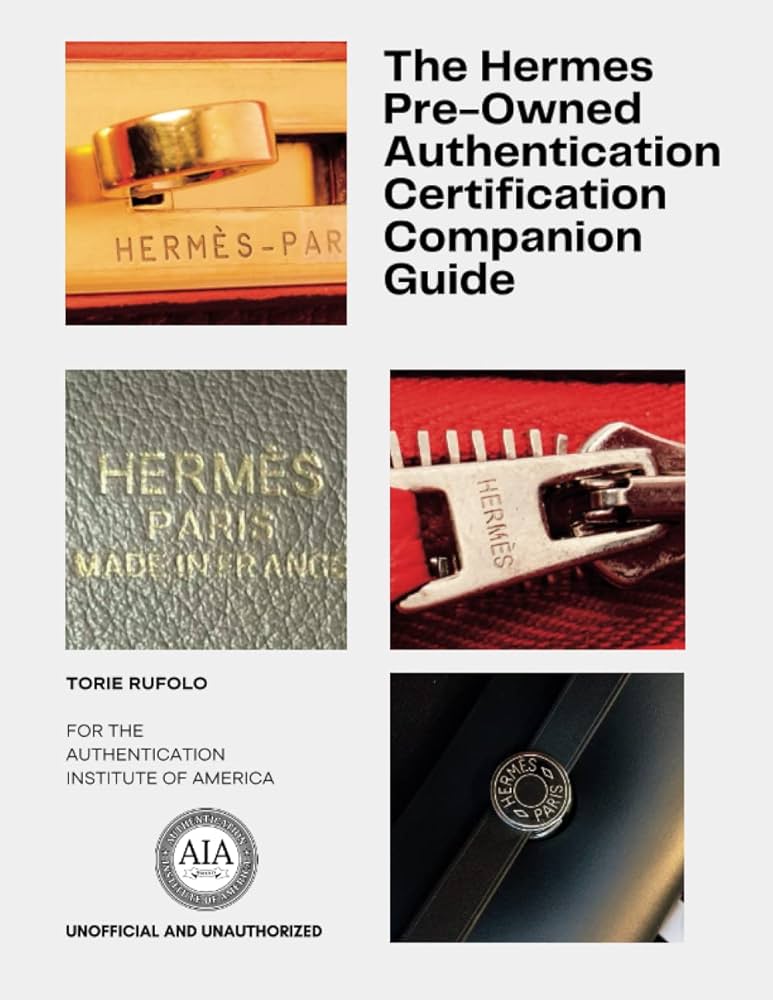
For those looking to deepen their understanding or manage hardware security, the following tools are essential for navigating this space safely.

As an Amazon Associate, we may earn from qualifying purchases.
No comments yet. Be the first to share your thoughts!