Market growth and liquidity drivers
The tokenized luxury market research landscape is shifting from experimental pilots to institutional-grade infrastructure, driven by the urgent need for liquidity in traditionally illiquid asset classes. As regulatory frameworks mature and blockchain technology proves its capacity for immutable provenance, high-net-worth individuals and institutional investors are increasingly turning to fractional ownership models. This transition is not merely technological but economic: it unlocks value trapped in physical assets like fine art, rare watches, and vintage wine, allowing them to be traded with the speed and efficiency of public equities.
Current projections indicate explosive expansion in this sector. According to market analysis by StanTax, the tokenized luxury goods market is projected to reach $13.53 billion by 2030, growing at a compound annual growth rate (CAGR) of 24.09%. This growth is underpinned by the broader shift toward crypto-native luxury brands, which HTF Market Insights estimates will expand at an even steeper CAGR of 32.50% during the same forecast period. These figures suggest that tokenization is moving beyond niche collectibles into a mainstream asset class, supported by robust secondary markets and transparent ownership histories.
The primary driver behind this trajectory is the resolution of the liquidity premium. Traditionally, selling a $50,000 watch or a $100,000 painting required auction houses, brokers, and weeks of due diligence. Tokenization compresses this timeline into seconds, enabling 24/7 global trading. In addition, the rise of the pre-owned luxury market—already the fastest-growing segment in luxury retail—provides a ready-made supply of authenticated assets that can be tokenized. As sustainability concerns and younger demographics drive demand for resale, blockchain-based ownership records offer the verification necessary to scale this market globally.
To understand the broader financial context, it is useful to observe how digital asset markets correlate with traditional luxury demand. The following chart illustrates the volatility and growth patterns of major crypto assets, which often serve as the settlement layer for these tokenized transactions.
Platform infrastructure comparison
Building a tokenized luxury market requires choosing the right infrastructure. The leading providers—Brickken, CryptoAutos, and others—differ significantly in how they handle asset classes, regulatory compliance, and liquidity. This comparison breaks down the core differences to help you select the platform that fits your specific investment strategy.
Brickken
Brickken is a prominent player in the luxury tokenization space, focusing on real-world assets (RWAs) like art, wine, and cars. Their platform enables fractional ownership, allowing investors to buy shares of high-value items. Brickken emphasizes secure tokenization and liquidity, making it a strong choice for those interested in diversifying their portfolio with tangible luxury goods. They offer a comprehensive solution for tokenizing and managing these assets, with a focus on regulatory compliance and secure transactions.
CryptoAutos
CryptoAutos specializes in tokenizing luxury vehicles, such as Ferraris and Lamborghinis. Their platform allows investors to buy and sell fractional shares of these high-value cars. CryptoAutos focuses on the unique challenges of tokenizing vehicles, including authentication, maintenance, and insurance. Their approach is tailored to the automotive luxury market, providing a specialized infrastructure for this specific asset class.
Comparison of Platform Features
The table below compares key features of the leading platforms, including asset support, regulatory status, and fractionalization limits.
| Platform | Asset Types | Regulatory Status | Fractionalization |
|---|---|---|---|
| Brickken | Art, Wine, Cars | Compliant with EU MiCA | Yes |
| CryptoAutos | Luxury Cars | Varies by jurisdiction | Yes |
| Venly | High-End Brands | EU-based, compliant | Yes |
Key Considerations
When choosing a platform, consider the following:
- Asset Class: Ensure the platform supports the specific luxury assets you are interested in.
- Regulatory Compliance: Verify that the platform adheres to relevant regulations in your jurisdiction.
- Liquidity: Check the platform's liquidity mechanisms and secondary market options.
- Security: Assess the platform's security measures for token storage and transactions.
Live Market Data
Understanding the current market conditions is crucial. The following widget provides real-time data on relevant assets.
This data can help inform your investment decisions in the tokenized luxury market.
How the Technical Stack Ensures Authenticity
Tokenized luxury market research relies on a technical stack that bridges physical objects and digital ledgers. The core mechanism is the Non-Fungible Token (NFT), which serves as a unique, unforgeable certificate of ownership. Unlike standard cryptocurrencies, each NFT in this sector is distinct, representing a specific handbag, watch, or piece of art. This digital twin holds the asset’s provenance, creating an immutable record that cannot be altered once written to the blockchain.
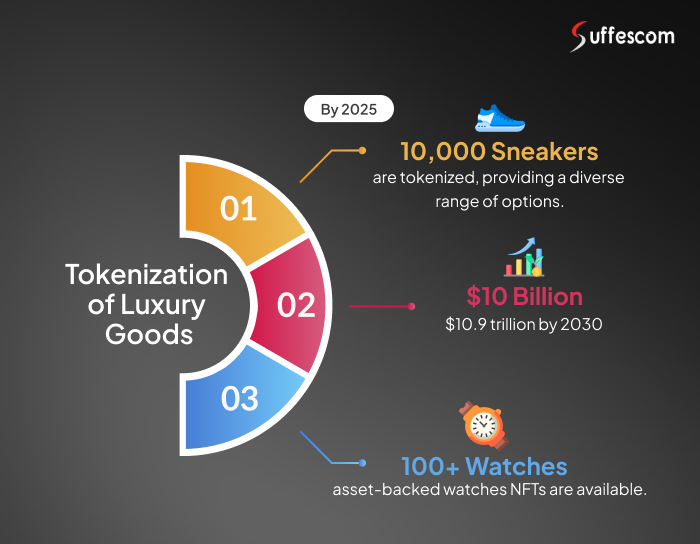
Smart contracts automate the verification process, enforcing rules for transfer and ownership. When a luxury item changes hands, the contract executes the transfer of the token, ensuring that the new owner’s rights are legally and technically recognized. This eliminates the need for intermediaries like traditional auction houses or authentication experts, reducing fees and speeding up transactions. The contract itself acts as a neutral arbiter, executing code exactly as written without human bias or error.
Oracles play a critical role in this ecosystem by feeding real-world data onto the blockchain. Since blockchains are isolated systems, they cannot natively "see" physical objects. Oracles act as trusted bridges, verifying that the physical asset matches the digital token. This might involve confirming a serial number, validating a recent appraisal, or ensuring the item’s condition has not changed. Without oracles, the token would be a disconnected digital file with no link to the tangible luxury good it claims to represent.
To understand the market dynamics driving these tools, investors often track the performance of underlying assets or related Real World Asset (RWA) tokens. The following chart illustrates the price movement of a relevant RWA index, showing how digital luxury assets correlate with broader market trends.
Strategic entry points for investors
Entering the tokenized luxury market requires a disciplined approach that treats digital ownership like any other high-stakes asset class. The goal isn't to chase the fastest hype cycle, but to build a portfolio that leverages the liquidity benefits of blockchain while mitigating the specific risks of illiquid physical goods. Research indicates the tokenized luxury goods market could reach $13.53 billion by 2030, growing at an annual rate of 24.09% (StanTax). This growth trajectory suggests that early entry points are shifting from speculative novelty to structured infrastructure.
Diversification across asset classes
The most resilient strategy involves spreading exposure across different categories of luxury assets rather than concentrating on a single item type. Tokenization allows for fractional ownership of diverse assets, including fine art, rare watches, and even luxury vehicles. Norion notes that tokenized luxury cars represent a distinct and potentially lucrative segment, as investing in cars historically offers solid returns. By combining these with more stable assets like blue-chip art or established luxury handbags, investors can hedge against the volatility inherent in any single luxury sub-sector.
Risk management and platform verification
Before allocating capital, investors must verify the regulatory standing and insurance coverage of the tokenization platform. Unlike traditional brokerages, many tokenization platforms operate in evolving legal frameworks. A robust risk management checklist should include:
- Regulatory Compliance: Ensure the platform is registered with relevant financial authorities in its jurisdiction.
- Asset Insurance: Verify that the physical underlying asset is fully insured against damage, theft, or loss.
- Secondary Market Liquidity: Check the platform's history of secondary trading volume to ensure you can exit positions when needed.
Technical Market Context
Understanding the broader financial context is essential for timing entries. While luxury assets often move independently of traditional markets, they are not immune to macroeconomic shifts. The following chart provides a technical perspective on market trends that often correlate with luxury consumer sentiment and investment flows.
Key questions on tokenized luxury assets
The intersection of blockchain technology and high-value goods is reshaping how investors view ownership. As tokenized luxury market research becomes more sophisticated, it clarifies how digital records can authenticate and fractionalize physical assets like art, watches, and cars.
Helpful gear
Use these product recommendations as a starting point, then choose the size, material, and price point that fit how you actually use the gear.


As an Amazon Associate, we may earn from qualifying purchases.
No comments yet. Be the first to share your thoughts!