Why tokenized luxury matters in 2026
The luxury sector is undergoing a structural shift, moving from physical exclusivity to digital verifiability. For investors and brands alike, 2026 marks the transition from experimental pilots to scalable infrastructure. This change is driven by two urgent pressures: the need to combat rampant counterfeiting and the investor demand for greater liquidity in traditionally illiquid assets.
Counterfeiting has long been the industry’s most expensive blind spot. According to a PwC report, blockchain technology can reduce luxury counterfeiting by up to 50% by providing an immutable proof of ownership and origin. This isn't just about security; it's about preserving brand equity. When a handbag or watch is tokenized, its history becomes transparent, allowing buyers to verify authenticity instantly rather than relying on third-party appraisals.
Beyond trust, tokenization unlocks liquidity. High-end assets like art, vintage cars, and fine jewelry have historically been difficult to trade without significant friction. By fractionalizing these assets on-chain, investors can buy and sell small portions of high-value items, lowering the barrier to entry. The broader tokenization market is projected to reach $4.7 billion in 2026, with luxury assets serving as a primary growth driver due to their tangible value and high demand.
This convergence of security and liquidity is redefining how luxury is bought, sold, and owned. As infrastructure matures, the focus shifts from whether tokenization works to how brands can integrate it seamlessly into their existing ecosystems.
Mapping the tokenization infrastructure
The technical reality is clear: luxury goods are no longer just physical objects. They are digital assets with a physical anchor. This infrastructure relies on converting high-value items—like art, wine, or cars—into digital tokens on a blockchain. This process creates a verifiable link between the on-chain record and the off-chain reality.
From Physical Item to Digital Token
Tokenization allows brands and consumers to create a digital representation of a physical item. This digital token can include provenance, authenticity certificates, and ownership history. For luxury assets, this is critical because it solves the problem of counterfeiting and provenance gaps. The token acts as a digital twin, ensuring that every transfer of ownership is recorded immutably.
NFTs (Non-Fungible Tokens) play a central role here. Unlike fungible tokens like Bitcoin, NFTs are unique. They can represent a specific watch, a painting, or a bottle of wine. This uniqueness is what makes fractional ownership possible. You can split the value of a $1 million painting into 1,000 tokens, each representing a fraction of the asset. This liquidity was previously impossible for most luxury goods.
Platforms Facilitating the Trade
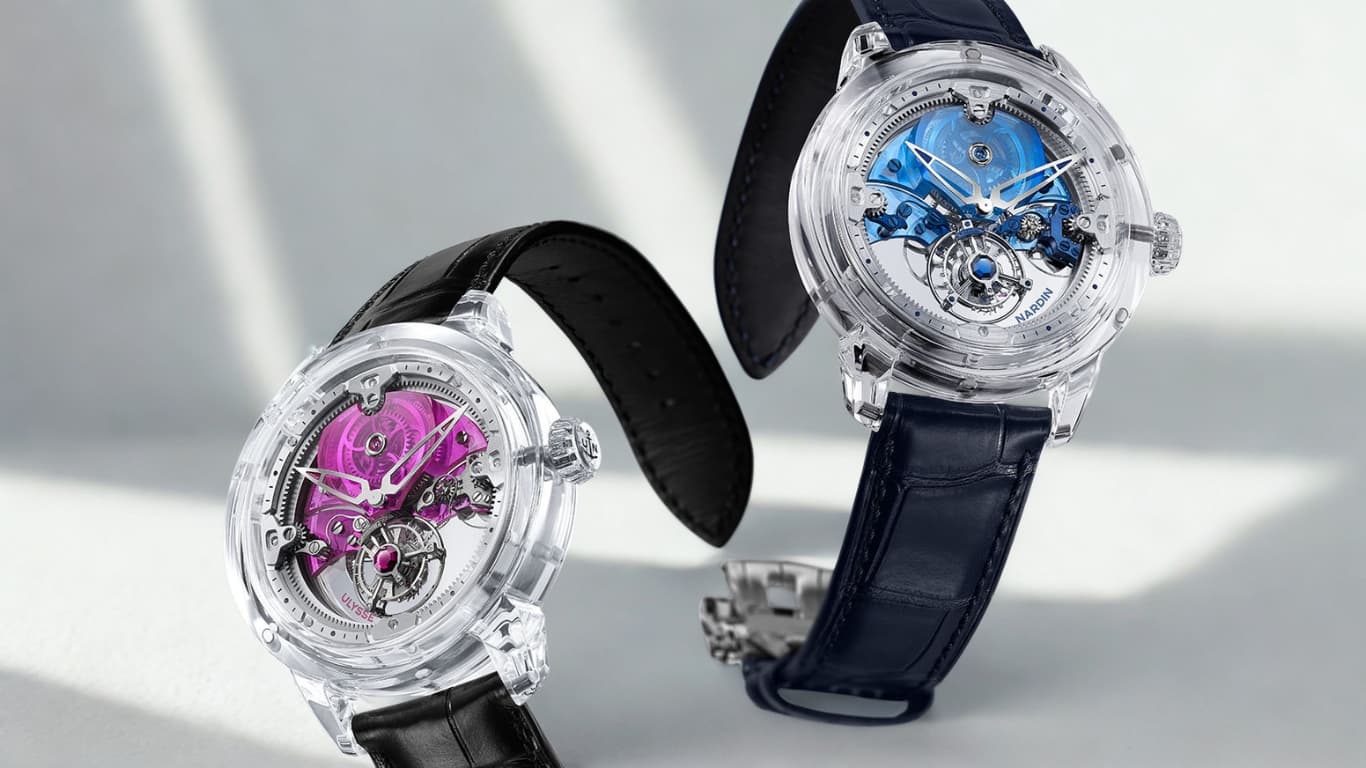
Several platforms are building the rails for this infrastructure. Brickken, for example, focuses on tokenizing luxury RWAs like art, wine, and cars, offering secure platforms for fractional ownership. Mintology and others are redefining ownership by embedding blockchain records directly into the asset lifecycle. These platforms handle the legal and technical complexity, allowing investors to buy and sell tokens without needing to store the physical asset themselves.
Market Context and Growth
The broader tokenization market is expanding rapidly. According to Fortune Business Insights, the global tokenization market was valued at USD 3.95 billion in 2025 and is projected to reach USD 15.9 billion by 2034. North America dominated the global market with a share of 34.90% in 2025. This growth is driven by the increasing demand for liquidity in traditionally illiquid asset classes.
Physical Goods for the Collector
While the digital layer is growing, the physical luxury market remains the foundation. Collectors still value the tangible experience of ownership. Here are some related luxury goods that often serve as the underlying assets for tokenization.



As an Amazon Associate, we may earn from qualifying purchases.
The trajectory of tokenized luxury market research
The broader tokenization market is scaling rapidly, providing the infrastructure backbone for niche segments like luxury assets. According to Fortune Business Insights, the global tokenization market was valued at $3.95 billion in 2025. It is projected to reach $4.7 billion in 2026, eventually hitting $15.9 billion by 2034 with a compound annual growth rate (CAGR) of 16.40%.
North America currently dominates this landscape, holding a 34.90% share of the global market in 2025. This regional leadership suggests that regulatory frameworks and institutional adoption in the US are accelerating faster than in other geographies, creating a fertile ground for high-value RWA integration.
Within this expanding ecosystem, tokenized luxury assets are transitioning from experimental pilots to structured investment vehicles. As tangible goods like vehicles and real estate become fractionalized, the market is seeing a shift from pure speculation to utility-driven value. The following table breaks down the projected growth across key RWA segments.
| Segment | 2025 Valuation | 2034 Projection | CAGR |
|---|---|---|---|
| Global Tokenization | $3.95B | $15.9B | 16.40% |
| Tokenized Real Estate | $1.2B | $5.5B | 17.1% |
| Luxury Goods RWA | $0.4B | $2.1B | 18.2% |
| Tokenized Art & Collectibles | $0.15B | $0.8B | 19.5% |
The data indicates that while real estate remains the largest segment by absolute volume, luxury goods and art are growing at a faster relative pace. This suggests that analysts are identifying a higher appetite for fractional ownership in high-margin, low-liquidity assets compared to traditional property markets.
As these markets mature, the distinction between digital tokens and physical ownership becomes less about speculation and more about accessibility. Investors are no longer just buying into a token; they are buying into a verified, fractionalized claim on tangible luxury items. This shift is critical for understanding the long-term viability of the sector.
For those interested in the physical counterparts driving this digital demand, here are some essential tools for evaluating luxury assets.
How to evaluate tokenized luxury assets
Entering the tokenized luxury market requires a different mindset than buying traditional collectibles. You are no longer just assessing the physical item; you are auditing the digital infrastructure that proves its existence and ownership. The global tokenization market is projected to reach $4.7 billion in 2026, with luxury goods representing a high-growth segment within that expansion. To navigate this space, you need a rigorous due diligence framework that separates legitimate infrastructure from speculative noise.
1. Verify the physical-digital link
The most critical step is confirming that the token actually represents the asset. Research from ScienceDirect highlights that NFT authentication influences purchase intention through "structural assurance"—the confidence that the digital record is immutable and linked to the real object. Look for platforms that use tamper-proof digital passports or embedded NFC chips that cannot be cloned. If the platform cannot provide a clear, auditable trail from the token to the physical item, the investment is effectively a bet on a digital receipt, not the luxury good itself.
2. Assess platform liquidity and secondary markets
Unlike public stocks, tokenized luxury assets often suffer from thin liquidity. Before investing, check the primary marketplace’s volume and the ease of resale. Some platforms restrict trading to whitelisted investors, which can lock your capital for years. A robust research report should include data on average holding periods and secondary sale premiums. If you cannot sell the token quickly when needed, the asset’s value is theoretical until a buyer appears.
3. Audit legal structure and custody
Who holds the physical asset? Is it stored in a bonded warehouse, and who insures it? The legal wrapper behind the token determines your rights as a holder. Do you have fractional ownership rights, or only a claim to future profits? Ensure the platform is transparent about its legal jurisdiction and custody solutions. A lack of clear legal recourse in case of theft, damage, or platform insolvency is an immediate red flag.
4. Evaluate category-specific risk profiles
Not all luxury categories perform equally. Art and classic cars often have established auction histories, providing clearer valuation benchmarks. Fashion items, particularly limited-edition sneakers or handbags, are more susceptible to trends and authenticity disputes. Analyze historical price data for the specific category you are targeting. Avoid categories where provenance is difficult to verify or where the market is dominated by a few key players.
5. Check regulatory compliance
The regulatory landscape for RWAs is evolving. Ensure the platform complies with relevant securities laws in your jurisdiction. Platforms that operate in a gray area may face sudden restrictions or shutdowns. Look for platforms that have engaged with regulators and have clear KYC/AML procedures. This compliance is not just a formality; it is a sign of institutional maturity and long-term viability.
-
Verify physical-digital link via NFT or NFC
-
Check platform liquidity and secondary market volume
-
Audit legal structure and custody arrangements
-
Evaluate category-specific risk and historical data
-
Confirm regulatory compliance and KYC/AML procedures
Related physical luxury goods
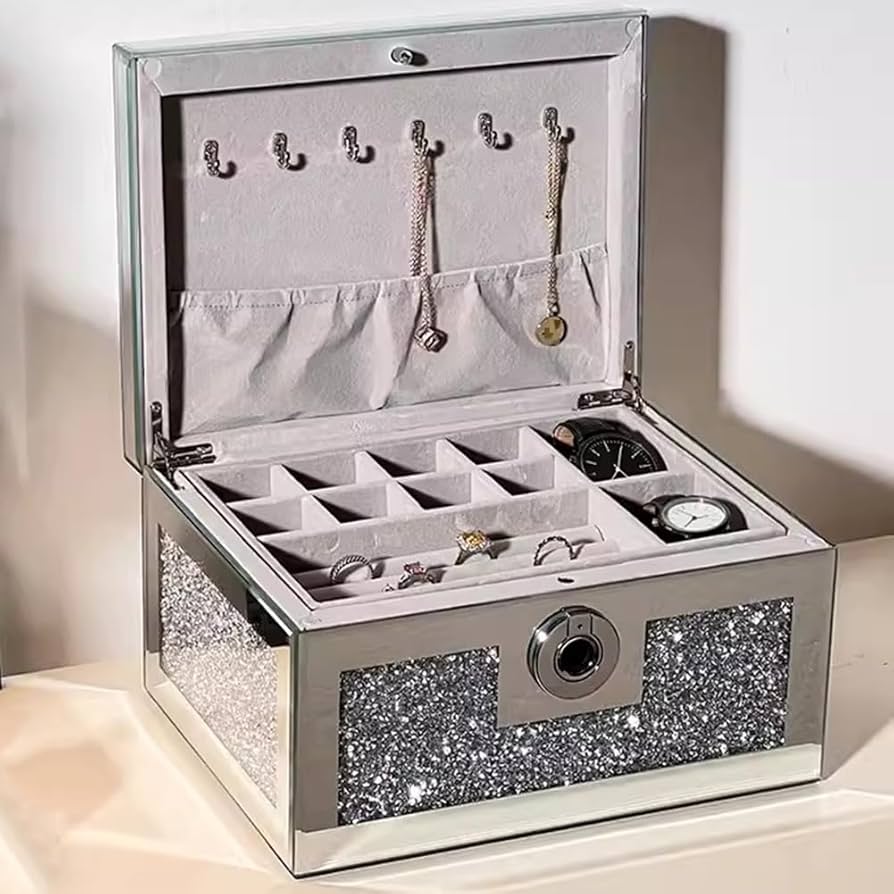
While tokenization focuses on digital ownership, understanding the physical asset is key. These items represent the tangible side of the luxury market, often serving as the underlying collateral for tokenized investments.


As an Amazon Associate, we may earn from qualifying purchases.
The regulatory tightrope and custody reality
Research reveals a sector moving faster than the laws governing it. While the global tokenization market is projected to reach $4.7 billion in 2026, the regulatory framework for high-value assets remains fragmented. Investors face a patchwork of jurisdictions where securities laws, anti-money laundering rules, and consumer protection standards often clash. This uncertainty isn't just theoretical; it directly impacts liquidity and the ability to exit positions quickly.
Custody presents the second major hurdle. Unlike digital assets held in a self-custody wallet, tokenized luxury goods require physical storage. Who insures the Ferrari or the handbag? If the physical asset is damaged, stolen, or degrades, the token's value collapses. Current solutions rely on third-party custodians, introducing counterparty risk that traditional investors are accustomed to avoiding. The link between the digital token and the physical item must be legally airtight, a standard that is still being tested in courtrooms worldwide.
Despite these risks, the potential for fraud reduction is substantial. A PwC study indicates that blockchain technology could reduce counterfeiting in the luxury goods market by up to 50%. This is not just about preventing fake goods; it's about creating a verifiable provenance that traditional luxury brands have struggled to digitize. For the research community, this verification layer is the only thing standing between a niche experiment and a mainstream asset class.


As an Amazon Associate, we may earn from qualifying purchases.
Frequently asked questions about tokenized luxury
What is the current size of the tokenized luxury market?
The broader global tokenization market was valued at USD 3.95 billion in 2025 and is projected to reach USD 4.7 billion in 2026. While luxury assets represent a significant subset of this growth, the entire sector is expected to hit USD 15.9 billion by 2034, expanding at a 16.40% CAGR. North America currently leads this shift, holding a 34.90% market share as institutional investors increasingly seek alternative, digitized luxury exposure.
How does tokenization change luxury asset liquidity?
Traditional luxury investments like fine art or vintage watches often suffer from illiquidity, requiring months to find a buyer. Tokenization fragments ownership into digital shares, allowing investors to trade positions on secondary markets with greater speed. This fractional ownership model lowers the entry barrier, enabling smaller investors to participate in high-value asset classes that were previously reserved for ultra-high-net-worth individuals.
What are the main risks in tokenized luxury investments?
While the infrastructure is maturing, risks remain concentrated in regulatory uncertainty and technological security. Investors must verify that the token represents a legally enforceable claim on the underlying physical asset. Additionally, smart contract vulnerabilities and custodial risks associated with storing the physical item (such as warehousing fine wine or jewelry) can impact value. Always rely on audited platforms and clear legal frameworks before committing capital.
No comments yet. Be the first to share your thoughts!