What is tokenized luxury?
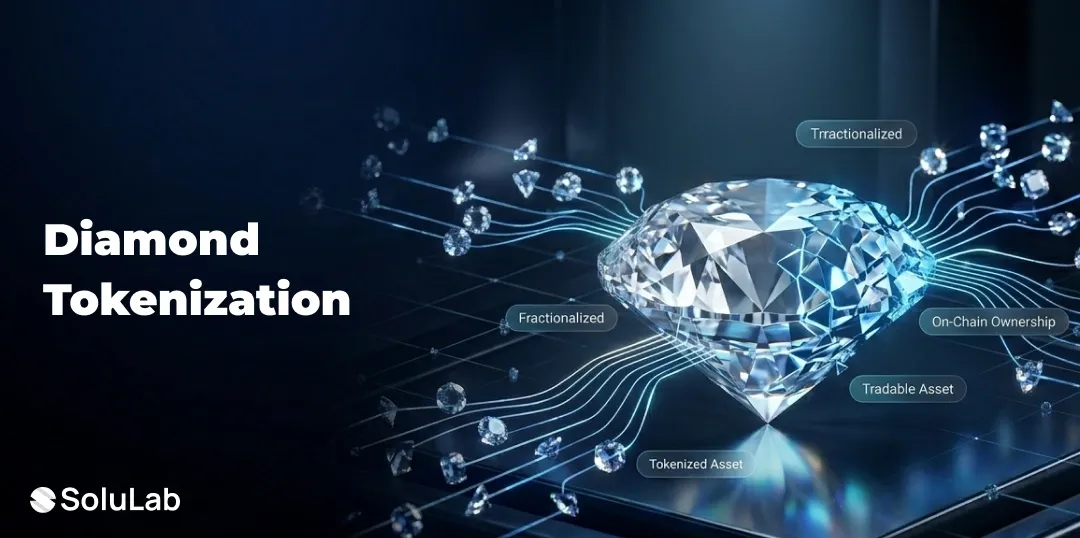
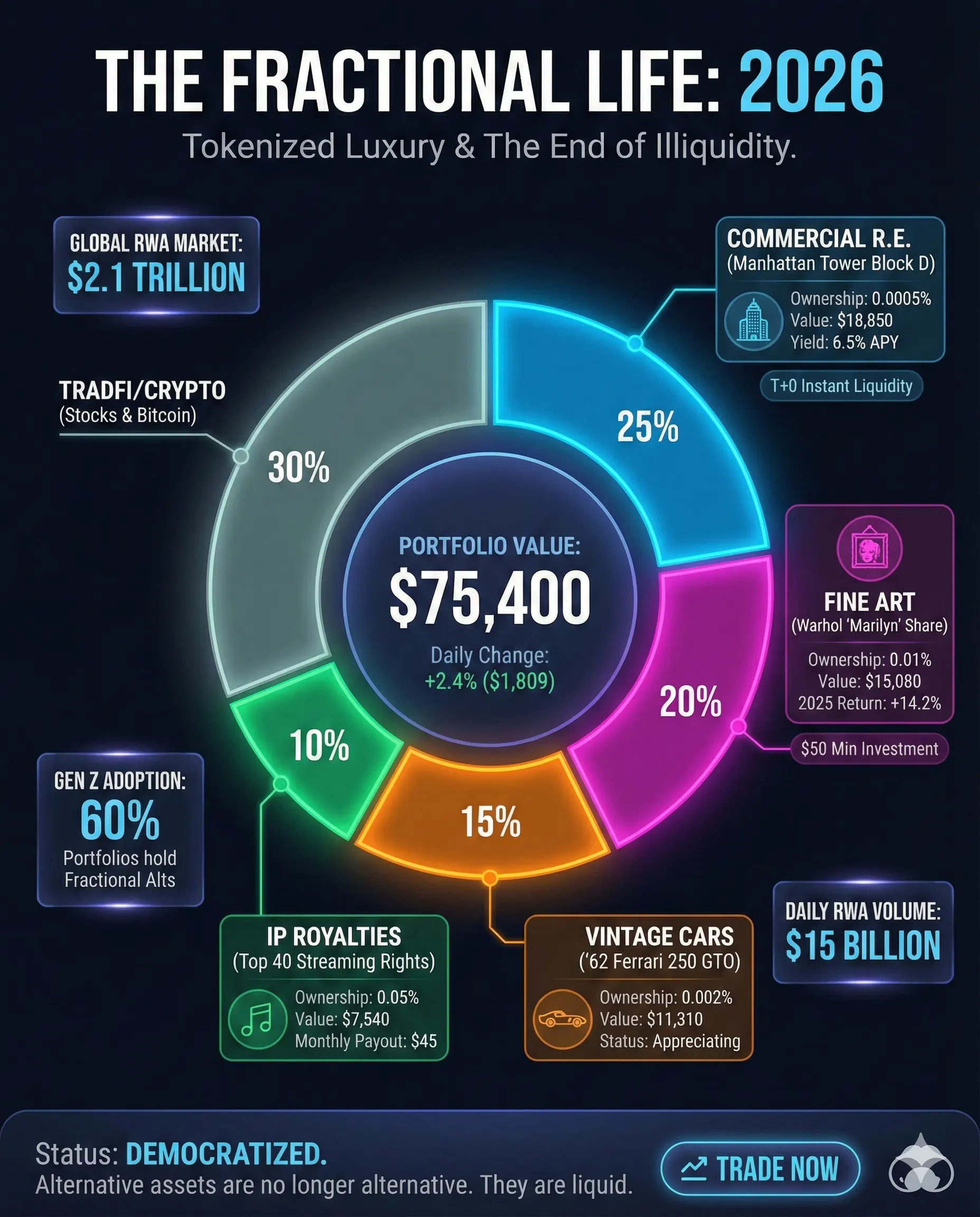
Tokenized luxury transforms physical high-value assets—such as fine art, rare watches, and real estate—into digital tokens on a blockchain. This process creates a digital twin of the asset, allowing ownership rights to be recorded and transferred on a distributed ledger. The primary goal is liquidity: by breaking down an illiquid asset into smaller, tradeable units, the market becomes accessible to investors beyond traditional ultra-high-net-worth circles.
It is important to distinguish between the two main types of tokens used in this space. Fungible tokens represent fractional ownership, similar to shares in a company. For example, a €500,000 watch might be divided into 10,000 tokens worth €50 each, allowing multiple investors to hold a piece of the asset [StanTax]. Non-fungible tokens (NFTs), by contrast, are unique and indivisible. An NFT typically represents sole ownership or a specific certificate of authenticity for a single item, rather than a share of its value.
The market context is still emerging, with financial institutions exploring blockchain ledgers like the XRP Ledger for high-speed, low-cost asset movement. While the technology promises to democratize access to luxury goods, it requires a clear understanding of the underlying mechanics. You are not just buying a digital image; you are acquiring a legally structured claim on a physical object, governed by smart contracts and regulatory frameworks.
Identify the right asset class
Tokenized Luxury works best as a clear sequence: define the constraint, compare the realistic options, test the tradeoff, and choose the path with the fewest hidden costs. That order keeps the advice usable instead of decorative. After each step, pause long enough to check whether the recommendation still fits the reader's actual situation. If it depends on perfect timing, unusual access, or a best-case budget, include a simpler fallback.
| Factor | What to check | Why it matters |
|---|---|---|
| Fit | Match the option to the primary use case. | A good deal still fails if it does not fit the job. |
| Condition | Verify age, wear, and service history. | Hidden condition issues erase upfront savings. |
| Cost | Compare purchase price with likely upkeep. | The cheapest option is not always the lowest-cost option. |
Set up legal and custodial frameworks
You cannot move a physical asset onto a blockchain without a legal wrapper. Without one, you are holding digital tokens with no claim to the underlying item. This is the step that separates speculative experiments from regulated financial products. You need to define who owns the asset, who holds it, and how investors get paid.
Create a separate legal entity, typically an LLC or foundation, to hold the asset. The SPV isolates the asset’s risk from your personal portfolio. It becomes the sole owner of the physical item, while you issue tokens representing shares in the SPV. This structure ensures that if the SPV goes bankrupt, the asset remains protected for token holders.
Do not store high-value physical assets in your home. Use a professional custodian with insurance, climate control, and security clearances. The custodian signs a legal agreement with the SPV, confirming they hold the asset on behalf of the token holders. This creates a clear chain of title that regulators and buyers will recognize.
Write a legal document that details the asset’s history, the SPV’s structure, and the rights attached to the tokens. This includes how profits (like rental income from a watch or artwork) are distributed and how the asset will be liquidated. A well-drafted TOM protects you from securities fraud claims and sets clear expectations for investors.
-
SPV formed and registered in a favorable jurisdiction
-
Custody agreement signed with insured, professional facility
-
Token Offering Memorandum (TOM) drafted by legal counsel
-
Smart contract audit completed by reputable firm
-
KYC/AML procedures integrated for token buyers
This structure is non-negotiable for high-value items. A vague setup leads to disputes when the asset appreciates or needs maintenance. By locking in the legal and physical safeguards first, you create a tradable, compliant instrument that institutions and individual investors can trust.
Choose the blockchain infrastructure
The backbone of your tokenized luxury asset determines who can hold it, how it moves, and who verifies its existence. For high-value items like art or real estate, you generally have two paths: public blockchains or permissioned ledgers.
Public chains like Ethereum or the XRP Ledger offer deep liquidity and transparency but can struggle with privacy and regulatory compliance. Permissioned ledgers restrict access to vetted participants, which aligns better with strict financial regulations but sacrifices some of the open-market appeal. Most institutional players currently lean toward permissioned environments to keep sensitive data private while maintaining audit trails [src-serp-3].
Selecting the right ledger
Your choice depends on your target investor base. If you are selling fractional shares to retail investors, a public chain provides the necessary visibility. If you are dealing with private equity or high-net-worth individuals, a permissioned ledger offers the control and compliance features they expect [src-serp-3].
Integrating oracles for asset verification
A blockchain is only as trustworthy as the data feeding it. Oracles bridge the gap between the digital token and the physical asset. They provide the continuous verification needed to prove that the luxury good exists, is authentic, and remains in good condition. Without reliable oracles, the token is just a number with no physical backing [src-serp-7].


As an Amazon Associate, we may earn from qualifying purchases.
Launch and manage token distribution
This phase moves your asset from legal structure to live trading. You are not just minting code; you are establishing a compliant financial instrument. The sequence below covers KYC/AML verification, smart contract deployment, and distribution mechanics. Each step requires precision to avoid regulatory friction or technical failure.
Before any tokens are issued, you must restrict access to accredited or qualified investors. Integrate a KYC/AML provider that supports whitelisting. This ensures only approved wallets can hold or transfer your tokens. Without this gate, you risk violating securities laws and exposing the project to enforcement actions.
Once your legal wrappers are in place, deploy the ERC-3643 or ERC-1400 compliant contract. These standards embed transfer restrictions directly into the code, enforcing the KYC whitelist automatically. Audit the contract with a reputable firm before deployment. A single vulnerability can lock investor capital or allow unauthorized transfers, destroying trust instantly.
Mint the total supply of tokens representing the asset. Distribute them to investors via a private sale or public offering, depending on your fundraising strategy. Ensure the distribution mechanism respects the vesting schedules or lock-up periods defined in your offering memorandum. Transparency here is critical; investors need to see their holdings reflected immediately on-chain.
Liquidity is the primary value driver for tokenized luxury. List your tokens on a compliant secondary market or decentralized exchange (DEX) that supports whitelisted assets. Provide liquidity pools to ensure investors can exit their positions. Without a clear path to sell, your tokens become illiquid digital receipts rather than investment instruments.
Common mistakes in tokenizing high-value assets
Even with a solid plan, tokenizing luxury real estate or high-end goods can fail if you overlook the physical-digital bridge. The blockchain handles the ledger, but it cannot hold the deed or the watch. If the physical asset is compromised, the tokens become worthless. Here are the most frequent pitfalls and how to avoid them.
Poor custody and insurance coverage
The biggest risk in luxury tokenization is the disconnect between the token and the underlying asset. Many platforms claim "secure custody" without specifying the details. You need to verify who physically holds the asset. Is it a professional vault, a private safe, or the issuer’s office?
More importantly, check the insurance. If a fire destroys a tokenized villa, who pays? Standard policies often exclude digital asset claims or have low caps. Ensure the custodian carries comprehensive all-risk insurance that explicitly covers the full value of the underlying luxury item. Without this, your digital ownership is just a promise.
Ignoring regulatory compliance
Tokenization is not a regulatory free-for-all. Depending on your jurisdiction, these tokens may be classified as securities. Failing to comply with KYC (Know Your Customer) and AML (Anti-Money Laundering) laws can lead to frozen assets or legal action.
Look for platforms that integrate automated compliance tools. These tools verify investor identities and enforce transfer restrictions automatically. If a platform allows anonymous trading of tokenized luxury goods, it is likely operating in a legal gray area that could jeopardize your investment. Stick to providers that publish their legal opinions and licensing status.
Overlooking liquidity and secondary markets
Luxury assets are inherently illiquid. Tokenization promises liquidity, but only if there is a functioning secondary market. Many platforms launch tokens but fail to establish trading venues. If you cannot sell your tokens when you need cash, the tokenization offers no real advantage over traditional ownership.
Before investing, check if the platform has a built-in exchange or partnerships with regulated trading venues. Avoid platforms that rely solely on peer-to-peer transfers, as finding a buyer for a fraction of a yacht can take months. Liquidity is the primary value proposition of tokenization; without it, you are just buying a digital receipt for a hard-to-sell asset.
Frequently asked questions about tokenized luxury assets
What is tokenization of luxury goods? Tokenization transforms physical luxury assets—such as watches, artworks, and real estate—into digital tokens on a blockchain. This process allows investors to acquire fractional shares of these assets, making the market accessible beyond wealthy elites. For example, a €500,000 watch can be divided into 10,000 tokens worth €50 each, enabling broader participation in high-value markets StanTax.
Will XRP be used to tokenize assets? Yes. The XRP Ledger (XRPL) is trusted by financial institutions to tokenize and move assets at high speed and low cost, with access to deep liquidity. Ripple provides the infrastructure to support these transactions efficiently Ripple.
Why is tokenization failing? Failures often stem from technical issues such as network errors, system downtimes, or problems with the tokenization service provider. Ensuring robust infrastructure and reliable partners is essential to prevent these disruptions.
What is the best company for tokenization? There is no single "best" provider, as suitability depends on your specific asset class and jurisdiction. Reviewing a list of top tokenization startups can help you compare platforms based on regulatory compliance, liquidity, and technical capabilities Seedtable.
No comments yet. Be the first to share your thoughts!