What tokenized luxury actually means
Tokenized luxury converts rights to physical high-value assets into digital tokens on a blockchain. This is not a synonym for speculative digital collectibles or profile picture NFTs. Instead, it is a real-world asset (RWA) strategy that allows investors to acquire fractional shares of tangible items like fine watches, original artworks, and prime real estate. This structure makes the market accessible beyond wealthy elites who traditionally held these assets exclusively.
The distinction matters because the value proposition is fundamentally different. While speculative NFTs rely on community hype and digital scarcity, tokenized luxury derives value from the underlying physical asset. The token represents a legal claim or ownership share in the real object, which is typically held in secure, insured storage. This bridges the gap between traditional asset management and modern blockchain technology.
The market is growing rapidly as infrastructure improves. In 2024, the total value of tokenized assets exceeded $2.9 trillion, with the specific luxury goods segment projected to reach $13.53 billion by 2030. This growth is driven by the desire for liquidity in traditionally illiquid markets. By breaking down expensive assets into smaller, tradable tokens, investors can diversify their portfolios with high-value items that were previously out of reach.
This approach transforms how we think about ownership. You are not buying a picture of a Rolex; you are buying a share of the watch itself. This shift requires a different analytical framework, one that focuses on the physical asset's condition, provenance, and market demand rather than just blockchain network effects.
The financial trajectory of tokenized luxury
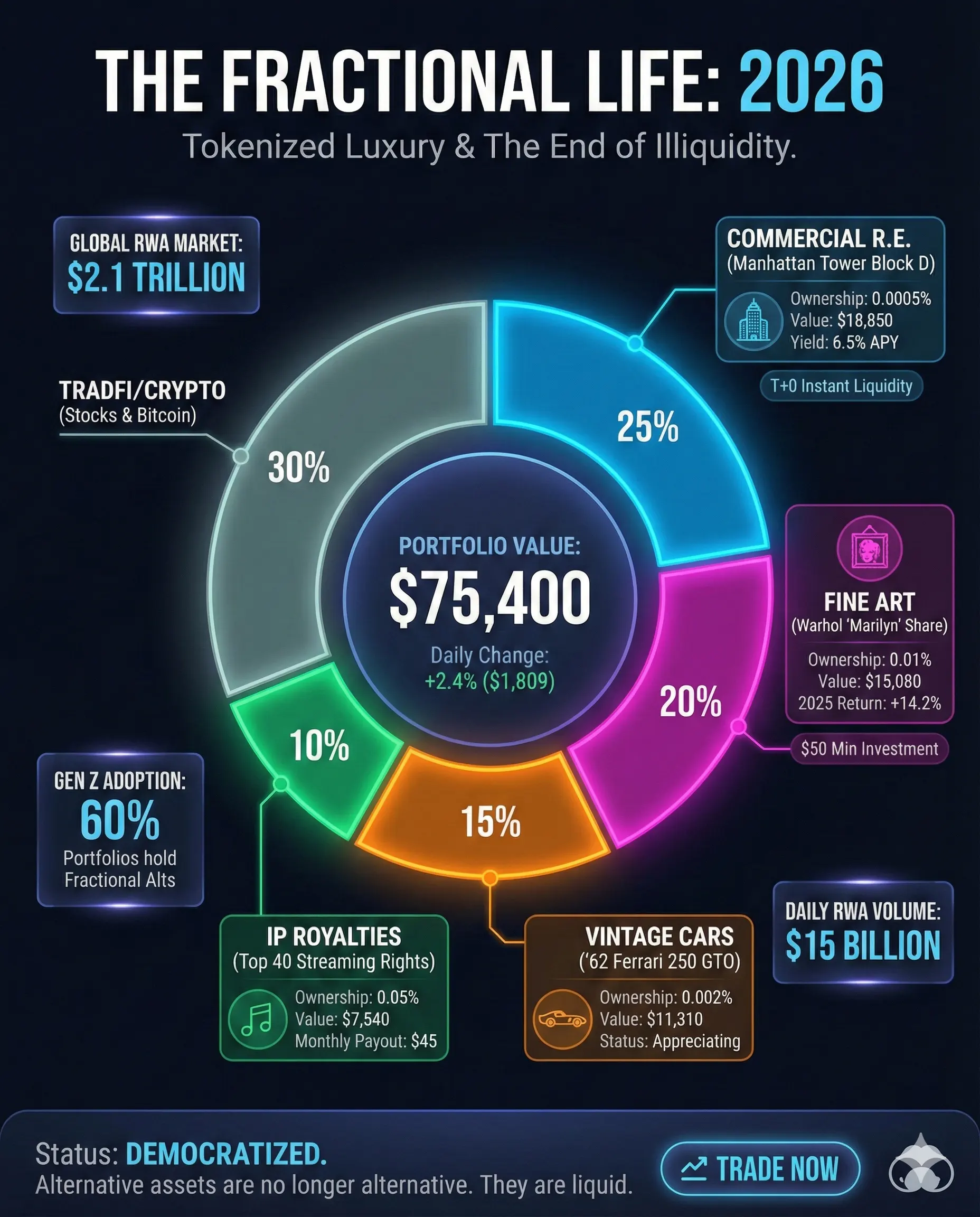
The broader market for Real World Assets (RWA) has expanded rapidly, with the total value of tokenized assets exceeding $2.9 trillion in 2024. Within this massive ecosystem, the tokenized luxury goods sector is carving out a distinct and accelerating niche. Industry projections indicate that the tokenized luxury market could reach $13.53 billion by 2030, driven by an annual growth rate that significantly outpaces traditional luxury retail trends.
This growth is not merely speculative; it reflects a structural shift in how high-value assets are bought and sold. By transforming physical luxury items—such as fine watches, art, and real estate—into digital tokens on a blockchain, the market is unlocking fractional ownership. This mechanism allows a wider audience to participate in asset classes previously reserved for ultra-high-net-worth individuals, thereby increasing liquidity and market depth.
The convergence of traditional luxury prestige with digital infrastructure creates a robust framework for long-term value retention. As regulatory clarity improves and institutional adoption grows, the tokenized luxury sector is positioned to become a standard component of diversified investment portfolios, bridging the gap between tangible desire and digital finance.
Choosing the right tokenization infrastructure
Selecting the correct platform is the difference between a liquid, compliant investment and a locked-up digital asset. The infrastructure landscape for tokenized luxury is not monolithic; providers specialize in distinct asset classes, regulatory jurisdictions, and liquidity models. Brickken, Norion, and other emerging platforms have carved out specific niches, ranging from fractional art ownership to structured wine investment vehicles. Understanding these differences is essential for aligning your tokenization strategy with your risk tolerance and liquidity needs.
The choice of platform dictates the legal wrapper, the custodial solution, and the secondary market availability. Some providers focus on strict regulatory compliance within specific jurisdictions, while others prioritize global accessibility and fractional trading efficiency. Below, we compare the primary infrastructure providers currently active in the tokenized luxury space, focusing on their core asset focus, liquidity features, and compliance frameworks.
Platform comparison
The table below outlines the key differences between leading tokenization providers. Use this to identify which platform aligns with your specific asset class and investment goals.
| Platform | Primary Asset Focus | Liquidity Model | Regulatory Compliance |
|---|---|---|---|
| Brickken | Art, Wine, Collectibles | Secondary marketplace & OTC | Multi-jurisdictional, KYC/AML |
| Norion | Luxury Goods, Real Estate | Tokenized fractional ownership | Securities regulation, Custody |
| Tokeny | Real Estate, Private Equity | Regulated secondary trading | MiCA, EU compliance |
| Securitize | Broad RWA, Tokenized Funds | Institutional & Retail | US SEC, global standards |
Key considerations for selection
When evaluating these platforms, prioritize the tokenized luxury analysis of their specific legal structures. Ensure the platform provides a clear legal wrapper for the underlying asset, such as a special purpose vehicle (SPV) that holds the physical item. This structure is critical for enforcing ownership rights and ensuring that token holders have a direct claim to the asset.
Additionally, consider the liquidity model. Platforms like Brickken offer dedicated marketplaces for specific assets like art and wine, which can provide deeper liquidity for those niches compared to broader platforms. For high-value items, verify the custodial arrangements. Who holds the physical asset? Is it insured? These operational details are as important as the blockchain technology itself.
Recommended tools and resources
For investors looking to explore the tokenized luxury market further, the following resources and tools can provide additional context and support your decision-making process.



As an Amazon Associate, we may earn from qualifying purchases.
Legal frameworks and custody risks
Tokenized luxury analysis reveals that while the digital ownership layer is transparent, the physical asset remains vulnerable to theft, forgery, and legal disputes. Because a token is merely a digital claim on a physical object, the investor’s safety depends entirely on the strength of the legal structure and the reliability of the custodian holding the item. If either fails, the token becomes a worthless piece of code.
The legal structure: SPVs and trust arrangements
Most legitimate tokenization projects use a Special Purpose Vehicle (SPV) or a trust to hold the physical asset. This legal entity owns the watch, painting, or property, and the tokens represent shares in that entity. This structure is critical because it separates the asset from the platform operator. If the platform goes bankrupt, the asset should theoretically remain safe within the SPV, protected from the company’s creditors.
Investors must verify that the SPV is registered in a jurisdiction with strong property rights and clear regulations for digital securities. Without this legal wrapper, you are not owning an asset; you are holding an unsecured IOU from a private company.
Custody: The physical link
Custody is the bridge between the blockchain and reality. High-value assets require professional, insured storage facilities, often with biometric access and climate control. A reputable custodian will provide regular audits and insurance policies that cover the full value of the stored items.
If the custodian is uninsured, underinsured, or located in a jurisdiction with weak rule of law, the risk profile spikes dramatically. You need to know exactly where your asset is stored and who has physical access to it.
Due diligence checklist
Before committing capital, verify these three pillars:
- Legal Wrapper: Is the asset held in an SPV or trust with clear, auditable ownership records?
- Custodian Credentials: Is the storage facility insured, audited, and regulated?
- Redemption Rights: Can you physically redeem the token for the asset, or is it purely speculative trading?
Strategic entry points for investors
Tokenized luxury analysis reveals that the barrier to entry has shifted from capital to compliance. For high-net-worth individuals, the first step is verifying accreditation status. Most legitimate platforms operate under strict regulatory frameworks, requiring proof of income or net worth before allowing access to fractional ownership. This gatekeeping ensures that the market remains compliant with securities laws, protecting both the investor and the asset issuer.
Once accredited, selecting the right asset class depends on your portfolio's current exposure. While real estate tokenization offers stable cash flows, luxury goods like watches and art provide uncorrelated value appreciation. Diversification is key; adding a tokenized Rolex or a piece of fine wine to a traditional portfolio can hedge against inflation and market volatility. However, liquidity varies significantly by asset type, so understanding the secondary market dynamics is essential before committing capital.
Begin by confirming your eligibility. Most platforms require KYC (Know Your Customer) and AML (Anti-Money Laundering) checks. Ensure you have documentation ready, such as tax returns or bank statements, to expedite the onboarding process. This step is non-negotiable for accessing regulated tokenized assets.
Not all platforms are created equal. Prioritize those with clear regulatory oversight, such as those registered with the SEC or equivalent bodies in your jurisdiction. Look for platforms that offer transparent fee structures and clear legal frameworks for ownership rights. A regulated platform reduces counterparty risk and ensures your tokens are backed by verifiable real-world assets.
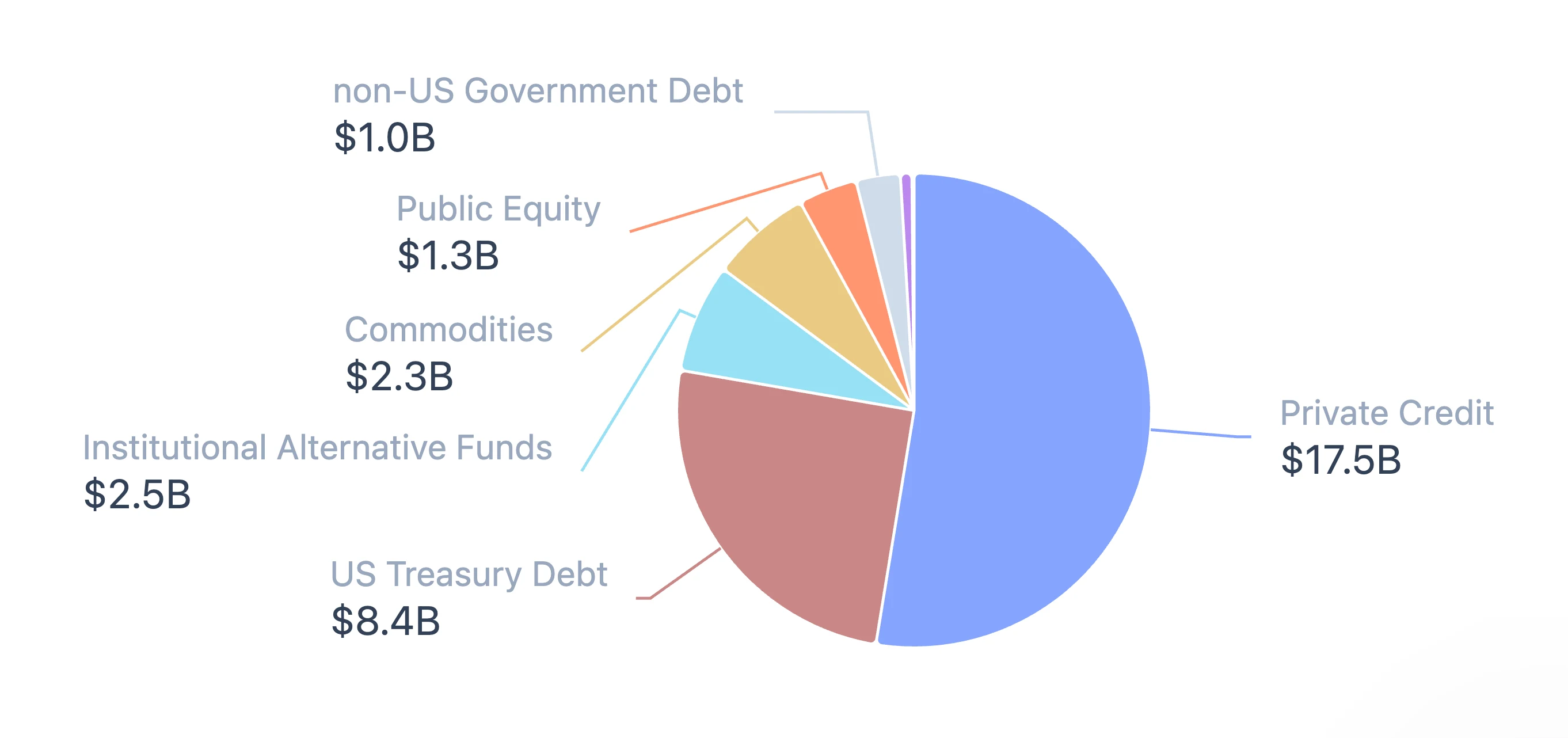
Don't put all your capital into one asset type. Consider a mix of tokenized real estate, fine art, and luxury collectibles. This strategy mitigates risk associated with any single market segment. For example, while real estate may offer steady yields, luxury watches might appreciate more rapidly during economic upswings. Balancing these exposures creates a more resilient portfolio.
Technical Analysis of Tokenized Luxury Markets
Frequently asked questions about tokenized luxury
What is tokenization of luxury goods?
Tokenization transforms physical luxury assets—such as high-end watches, fine art, and real estate—into digital tokens on a blockchain. This process allows investors to acquire fractional shares of these assets, effectively democratizing access to a market that was previously reserved for wealthy elites. It combines the tangible value of luxury with the liquidity of digital finance.
What is the market size for tokenized luxury assets?
The sector is experiencing rapid expansion. In 2024, the total value of tokenized assets surpassed $2.9 trillion. Specifically, the tokenized luxury goods market is projected to reach $13.53 billion by 2030, driven by an annual growth rate that reflects increasing institutional and retail interest in real-world asset (RWA) tokenization.
Where can I buy RWA tokens?
For direct exposure to the RWA sector, you can purchase RWA Inc. on major centralized exchanges like Coinbase. For fractional ownership of specific luxury items, investors typically use specialized platforms that issue tokens backed by verified physical assets. Always verify the platform's regulatory compliance and asset custody arrangements before investing.
No comments yet. Be the first to share your thoughts!