Market size and growth drivers
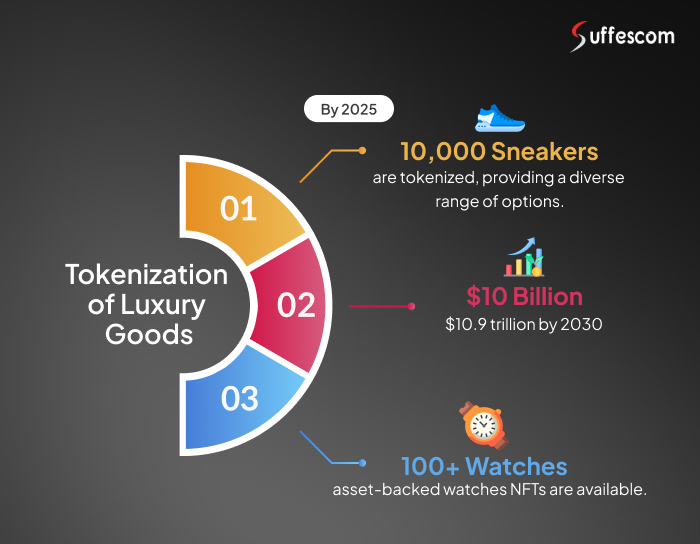
The tokenized luxury market is moving from niche experimentation to a significant asset class. Projections indicate the global luxury asset tokenization market will reach USD 13.53 billion by 2030, growing at a compound annual growth rate (CAGR) of 24.09% from 2022 to 2030 [1]. This expansion is not isolated to high-end watches or art; the tokenized luxury vehicle segment alone is expected to hit $10 billion by 2025 [2].
This growth is fueled by a structural shift in how capital moves. As cash becomes tokenized through stablecoins, there is a natural flow of digital liquidity into tangible assets. This creates a powerful bridge between digital money and real-world investment vehicles, allowing investors to park stablecoin capital directly into fractionalized luxury goods. The result is increased liquidity and accessibility for assets that were traditionally illiquid and exclusive.
However, this rapid expansion brings heightened regulatory and cyber risks. Unlike traditional ownership, tokenized assets require robust digital security frameworks to protect against hacks and ensure compliance. For researchers analyzing the tokenized luxury market, understanding these dual forces—capital efficiency and regulatory complexity—is essential to mapping the sector's future trajectory.
[1] Suffescom, "Luxury Asset Tokenization: Tokenized High-End Assets" [2] RWA.io, "Luxury Assets Are Going Digital: Tokenization Trends"
Tokenized Luxury Vehicles and Real Estate
The tokenized luxury market research landscape is currently defined by two dominant asset classes: high-end real estate and exotic vehicles. These sectors are moving beyond speculative interest into structured fractional ownership, allowing investors to buy shares in assets that were previously reserved for ultra-high-net-worth individuals.
Fractional Real Estate
Tokenizing property transforms illiquid brick-and-mortar investments into tradable digital tokens. This model allows investors to own a fraction of a luxury apartment in Manhattan or a vineyard in Tuscany without managing the physical asset. The primary benefit is liquidity; instead of waiting months to sell a property, token holders can trade shares on secondary markets.
The global market for tokenized real-world assets is projected to grow significantly, with some analysts predicting the broader tokenized asset market could reach $400 billion by 2026 [1]. This growth is driven by the need for new investment vehicles as traditional capital flows shift toward digital formats.
Luxury Vehicle Tokenization
Investing in luxury cars through tokens is a rapidly emerging niche. Platforms now allow users to buy fractional ownership in rare supercars, classic Ferraris, or limited-edition Porsches. This approach democratizes access to collectibles that often appreciate in value but are difficult to finance or store.
The global market for tokenized luxury vehicles is projected to reach a value of $10 billion by 2025 [2]. While this is a subset of the broader RWA market, it highlights the specific demand for high-value, tangible assets that can be digitally represented.
Market Liquidity and Risk
While fractional ownership increases accessibility, it introduces regulatory and cyber risks that differ from traditional asset ownership. Investors must ensure that the tokenization platform is compliant with securities laws in their jurisdiction. The rise of real-world asset (RWA) tokenization is reshaping traditional investment markets, but due diligence remains essential [3].
The following chart illustrates the broader liquidity trends in the RWA sector, which often correlates with the performance of tokenized luxury assets.
Fashion and collectibles tokenization
Luxury fashion brands are moving beyond simple branding to embed digital identity directly into physical goods. Tokenization allows a brand to create a digital twin for a handbag, watch, or sneaker. This digital token acts as a certificate of authenticity, stored on a blockchain, which is far harder to forge than paper tags or holograms.
The primary value here is verification and secondary market control. When a luxury item changes hands, the token transfers with it. This provenance trail confirms the item is genuine. More importantly, brands can program royalties into the smart contract. Every time the item is resold, a percentage of the transaction automatically returns to the original brand. This turns every resale into a revenue stream rather than a lost opportunity.
This approach differs sharply from pure investment tokens. Investors in tokenized luxury often seek fractional ownership or speculative gains. Fashion tokenization targets the end-user and the brand itself. It solves the counterfeit problem that costs the luxury industry billions annually, while giving brands a direct line into the secondary market. As the asset tokenization market grows, these digital-physical links become the standard for high-value goods.

As an Amazon Associate, we may earn from qualifying purchases.
Infrastructure and Compliance Layers
Tokenizing luxury goods requires more than just minting a token; it demands a rigorous infrastructure that bridges physical authenticity with digital security. The market for tokenized assets is projected to reach $400 billion by 2026, driven by the convergence of stablecoin liquidity and demand for fractional ownership in high-value items Coindesk. However, this growth brings heightened regulatory and cyber risks that traditional luxury markets do not face GARP.
To manage these risks, platforms must integrate compliance into the token standard itself. Securitize, a leading digital asset securities platform, provides end-to-end services including investor onboarding and secondary trading compliance Finextra. Meanwhile, specialists like Mintology focus on the unique verification needs of luxury goods, converting physical assets into blockchain tokens that represent verified ownership or fractional shares Mintology.
The following table compares how different infrastructure providers handle the dual demands of regulatory compliance and asset-specific verification.
| Provider | Compliance Focus | Primary Asset Type | Secondary Trading |
|---|---|---|---|
| Securitize | Full SEC/Regulation D compliance | Equities, Funds, RWAs | Integrated secondary market |
| Mintology | KYC/AML for luxury goods | Watches, Handbags, Art | Platform-specific marketplace |
| Centrifuge | Regulated asset issuance | Invoice & Real Estate | DeFi protocol integration |
Choosing the right layer depends on whether your tokenized luxury market research targets institutional investors or retail collectors. Securitize offers the most robust framework for regulated securities, while Mintology provides the specialized verification layers needed for physical luxury items.
Risks and regulatory challenges
Tokenized luxury market research isn't just about spotting the next big opportunity; it's also about understanding the friction points. While the market is projected to grow significantly, the infrastructure supporting these assets is still maturing. The downsides of tokenization are real, and they often involve regulatory and cyber risks that are higher than those associated with traditional luxury assets.
Regulatory uncertainty
The legal landscape for tokenized goods is fragmented. Unlike a physical handbag that exists in a clear jurisdiction, a token can be held by anyone, anywhere. This makes compliance with securities laws, anti-money laundering (AML) rules, and consumer protection standards difficult to enforce. As Kerbage noted, the bridge between digital money and capital markets is powerful, but it requires a regulatory framework that currently lacks uniformity across major markets.
Cyber and operational risks
Beyond compliance, the digital nature of these assets introduces new vulnerabilities. Smart contract bugs, exchange hacks, or private key loss can result in total loss of value, with no insurance safety net comparable to traditional banking. The GARP highlights that while fractional ownership increases liquidity, it also exposes investors to these heightened cyber risks. Tokenized luxury market research must therefore account for the technical resilience of the underlying blockchain and the security protocols of the issuing platform.
Tools for tracking tokenized luxury assets
Monitoring tokenized luxury assets requires specialized software that bridges traditional finance data with blockchain transparency. Unlike standard equities, these assets often trade on private or semi-private ledgers, making real-time price discovery difficult without the right infrastructure.
Investors rely on a mix of platform-native dashboards and third-party analytics to track performance. For instance, platforms like Securitize provide end-to-end issuance and compliance tools, offering investors a clear view of their holdings and the underlying asset's status. This transparency is essential for verifying ownership and understanding liquidity constraints.
To gauge market sentiment and broader trends, many researchers track broader Real World Asset (RWA) indices or specific luxury-focused tokens. These tools help identify shifts in demand, such as the projected growth of the tokenized luxury market, which Suffescom estimates could reach $13.53 billion by 2030.
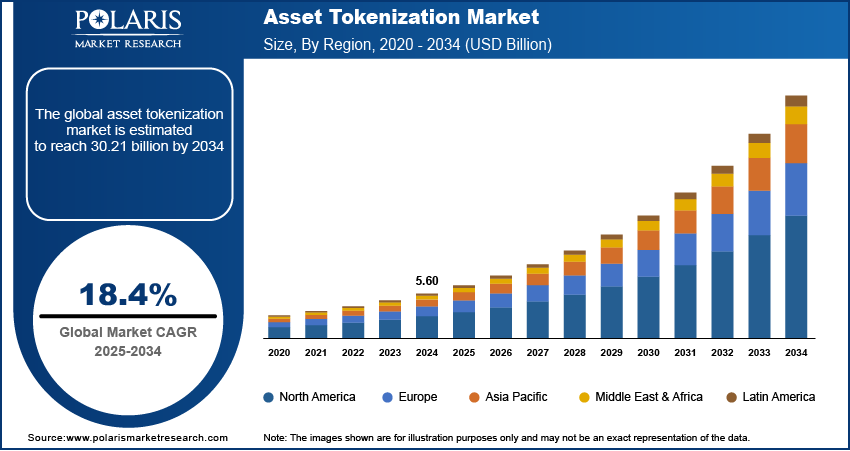
For live price tracking, you can monitor relevant RWA tokens or indices using provider-backed widgets. This ensures you are viewing current market data rather than stale snapshots, which is critical for high-stakes investment decisions.
No comments yet. Be the first to share your thoughts!