The tokenized luxury market landscape
The tokenized luxury market is reshaping how high-value assets move. It transforms physical items—fine art, luxury watches, and real estate—into digital tokens on a blockchain. This shift moves these assets from traditional, illiquid markets into a more accessible, onchain environment. Instead of requiring millions in capital to own a slice of a masterpiece, investors can now acquire fractional shares. For example, dividing a €500,000 watch into 10,000 tokens worth €50 each opens the door to a broader range of participants.
This transition from illiquidity to fractional ownership is the core value proposition. The tokenized luxury guide highlights how blockchain infrastructure enables this by creating verifiable, tradable digital representations of physical goods. It’s not just about buying and selling; it’s about unlocking the capital trapped in static assets. By tokenizing luxury, the market creates a new layer of liquidity for items that have historically been difficult to trade quickly or in small amounts.
The infrastructure supporting this market is growing rapidly. From smart contract development to marketplace listing, the entire lifecycle of a luxury asset can now be managed onchain. This means that ownership records, provenance, and transaction history are transparent and immutable. As the market matures, we are seeing a convergence of traditional luxury branding with modern financial technology, creating a robust ecosystem for the next generation of collectors and investors.
Key asset classes in tokenized luxury
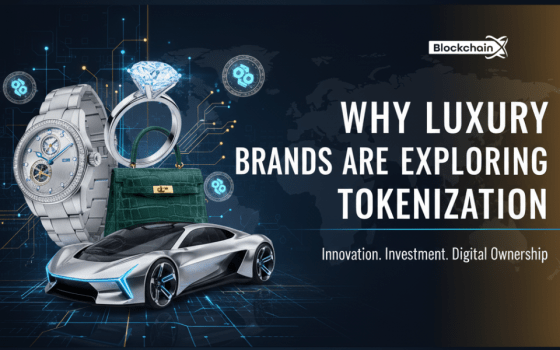
Tokenization transforms physical luxury assets—watches, artworks, and real estate—into digital tokens on a blockchain. This shift allows investors to acquire fractional shares of high-value items, making the market accessible beyond wealthy elites. For instance, a €500,000 watch can be divided into 10,000 tokens worth €50 each, fundamentally changing how these assets are traded. StanTax outlines how this process works for various luxury categories.
Art and Collectibles
Art tokenization faces significant hurdles regarding authenticity and valuation. Unlike standard financial assets, a painting’s value is highly subjective and depends on provenance. Tokenization platforms use non-fungible tokens (NFTs) to represent ownership, but verifying that the digital token matches the physical piece remains a challenge. Investors must trust the issuer’s ability to authenticate and store the asset securely.
Luxury Watches
The watch market is one of the most active sectors for tokenization due to the high demand for specific models like Rolex or Patek Philippe. Tokenized watches often include digital passports that track the item’s history, service records, and ownership chain. This transparency helps combat counterfeiting, a persistent issue in the secondary market. However, liquidity can be volatile, as the market for specific watch models fluctuates based on trends and scarcity.
Real Estate
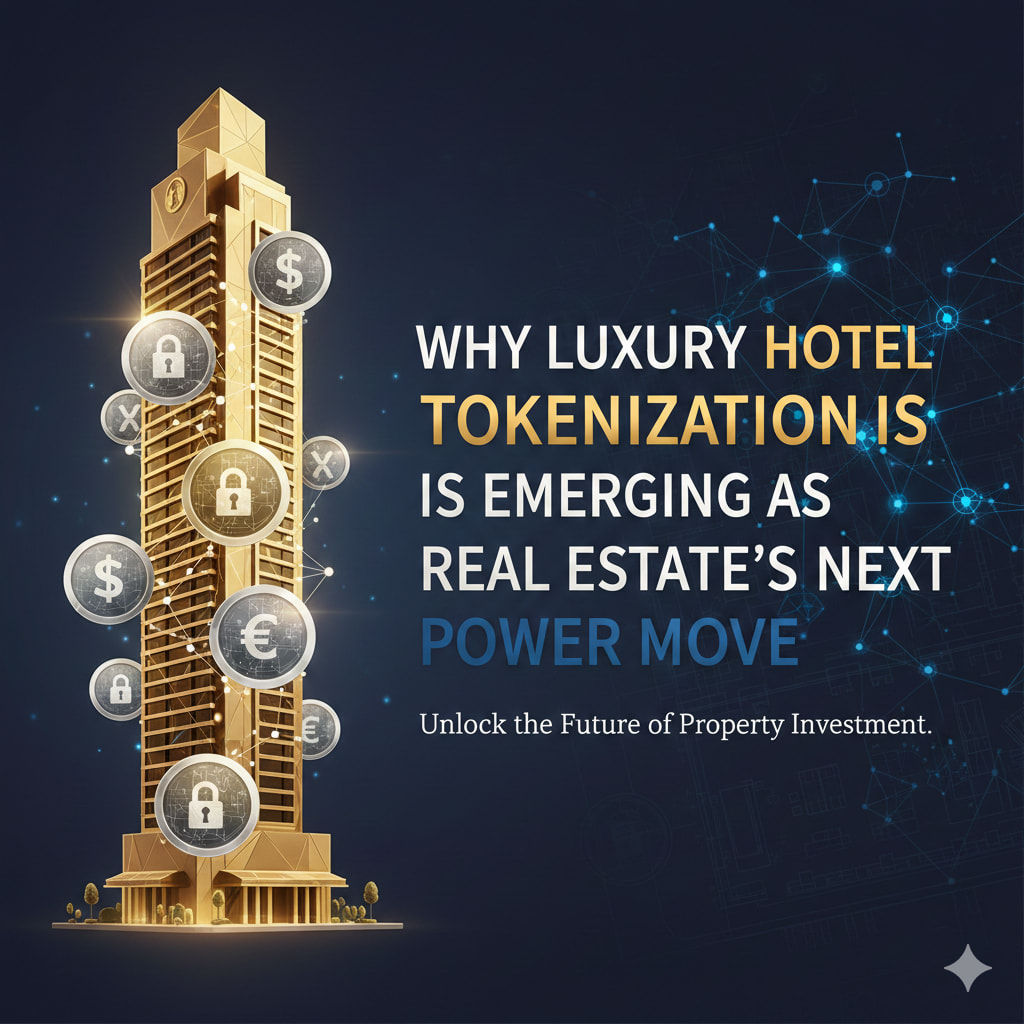
Real estate tokenization allows for fractional ownership of high-value properties. Participants can buy tokens representing a share of the property, reducing the capital barrier to entry. Stobox notes that while this model increases liquidity for illiquid assets, it introduces complex regulatory requirements. Investors must comply with securities laws that vary by jurisdiction, making compliance a critical part of the tokenization process.
Comparison of Asset Classes
The following table compares the primary challenges and opportunities across these three major asset classes.
| Asset Class | Liquidity | Valuation Method | Regulatory Hurdle |
|---|---|---|---|
| Art | Low | Subjective/Auction | Securities laws |
| Watches | Medium | Market Data/Provenance | Consumer protection |
| Real Estate | Medium-High | Appraisal/Rent Yield | Securities laws/Local zoning |
Infrastructure and technology stack
Tokenized Luxury works best as a clear sequence: define the constraint, compare the realistic options, test the tradeoff, and choose the path with the fewest hidden costs. That order keeps the advice usable instead of decorative.
After each step, pause long enough to check whether the recommendation still fits the reader's actual situation. If it depends on perfect timing, unusual access, or a best-case budget, include a simpler fallback.
The simplest way to use this section is to write down the real constraint first, compare each option against it, and choose the path that still works outside ideal conditions.
Tools and platforms for tokenized luxury investors
Accessing the tokenized luxury market requires navigating a fragmented ecosystem of specialized platforms. Unlike traditional stock trading, you generally cannot buy fractional art or watches on mainstream brokerages. You need dedicated marketplaces that handle the legal structuring, custody, and secondary trading of these digital assets.
Dedicated Tokenization Marketplaces
The primary entry point for most investors is a specialized tokenization platform. These platforms act as the bridge between physical high-value assets and the blockchain. They typically handle the initial token issuance, ensuring that each token represents a verifiable fractional share of the underlying asset, whether it is a piece of art, a luxury watch, or real estate.
When selecting a platform, look for those that offer transparent secondary markets. The ability to sell your tokens easily is just as important as buying them. Ensure the platform clearly outlines its compliance with local regulations and how it manages the physical custody of the asset.
Essential Hardware and Education Tools
Securing your digital assets is non-negotiable in the tokenized luxury space. You will need a hardware wallet to store your tokens safely, separate from exchange holdings. Additionally, understanding the mechanics of these assets helps avoid costly mistakes.

As an Amazon Associate, we may earn from qualifying purchases.
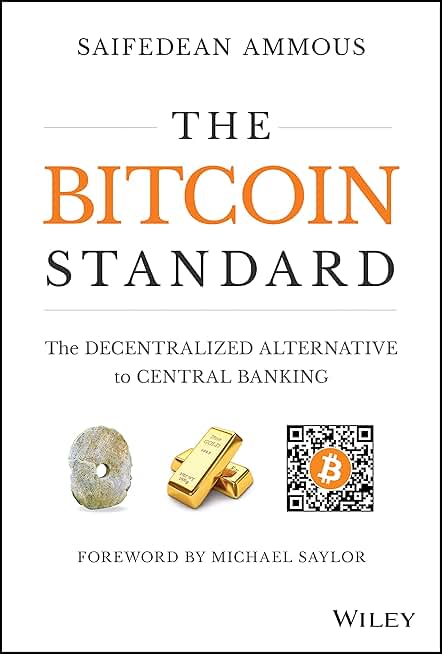
Investing in a hardware wallet like the Ledger Nano X ensures your tokens remain under your control. For educational resources, books like The Bitcoin Standard provide the necessary foundational knowledge to understand the value proposition of tokenized assets.
How to build a tokenized luxury portfolio
Entering the tokenized luxury market requires a shift in how you evaluate risk and value. Unlike traditional collectibles, these assets live on blockchains, meaning your due diligence must cover both the physical item and the digital infrastructure backing it. A successful strategy combines strict verification protocols with disciplined portfolio allocation.
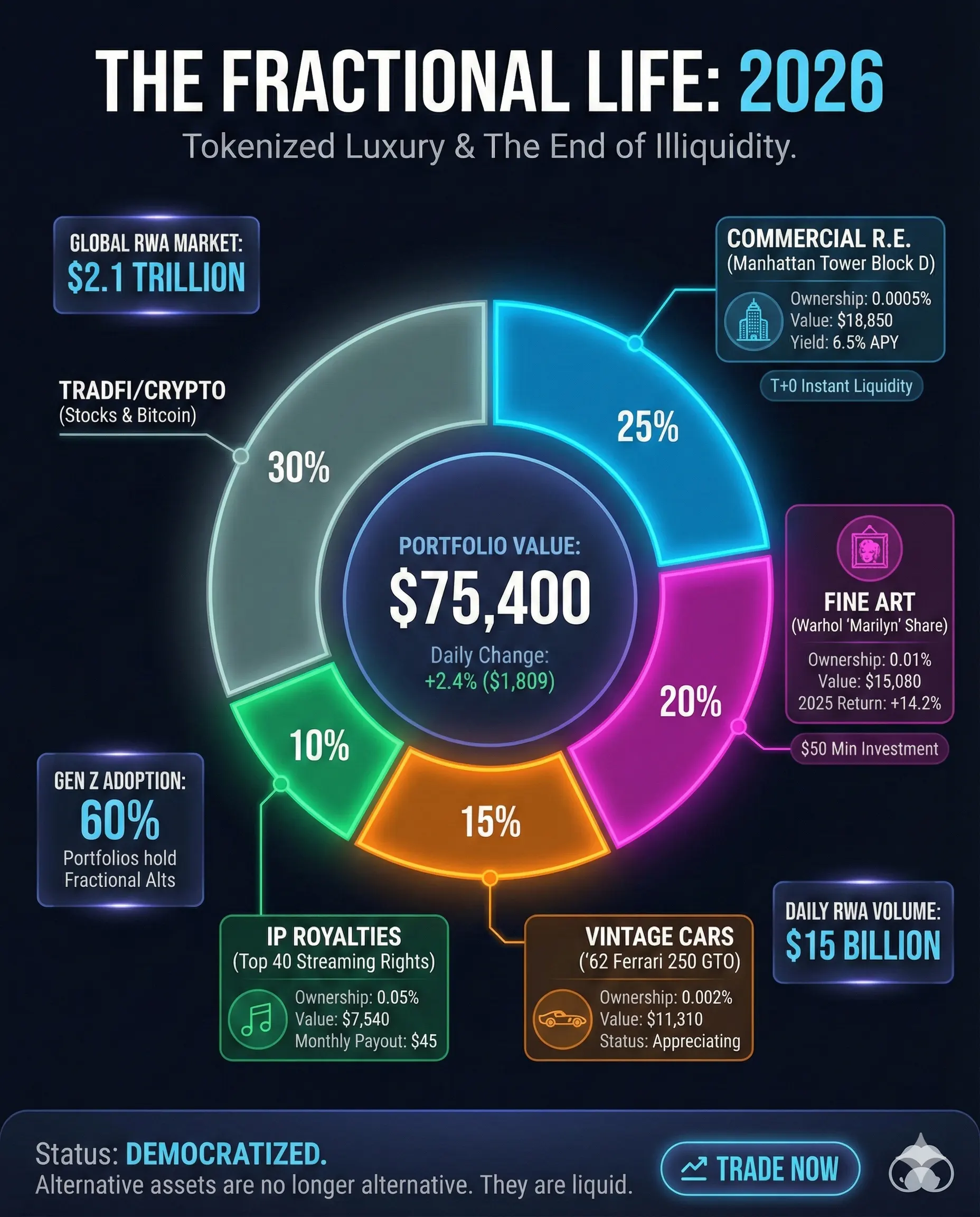
By following these steps, you can manage the complexities of the tokenized luxury guide effectively. Focus on transparency, legal clarity, and realistic liquidity expectations to protect your capital in this emerging sector.
Frequently asked questions about tokenized luxury
What is tokenization of luxury goods?
Tokenization transforms physical luxury assets, such as watches, artworks, and real estate, into digital tokens on a blockchain. This process allows investors to acquire fractional shares of these high-value items, making the market accessible beyond traditional wealthy elites. For instance, a €500,000 watch can be divided into 10,000 tokens worth €50 each, enabling broader participation in the tokenized luxury market.
How does fractional ownership work for luxury assets?
When you buy a token, you own a digital share of the underlying physical asset rather than the item itself. The token represents a specific percentage of ownership, and its value fluctuates based on the asset's market performance. This structure lowers the barrier to entry, allowing you to diversify your portfolio with high-end collectibles without needing the capital to buy the entire piece outright.
How do I tokenize my property?
Tokenizing real estate involves a multi-step process that begins with asset identification and valuation. Next, you structure the ownership entity and develop smart contracts to automate transactions and rights. Once the tokens are issued, they are listed on a marketplace for sale, followed by ongoing management of the physical property and token holders. This framework ensures legal compliance and transparent ownership records on the blockchain.
No comments yet. Be the first to share your thoughts!