Defining the tokenized luxury strategy
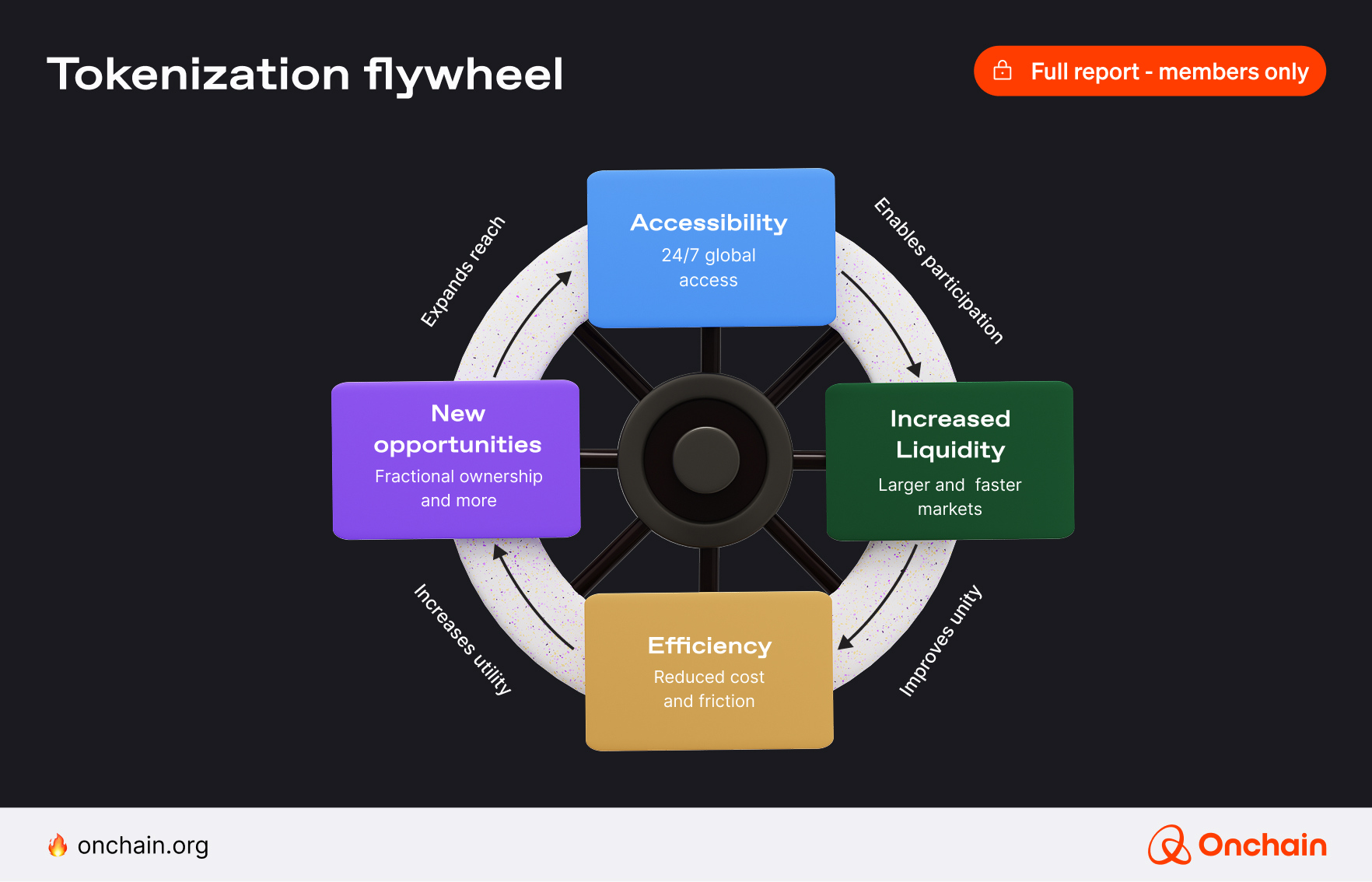
Tokenized luxury strategy is not merely a buzzword; it is a structural shift in how high-value assets are owned, traded, and valued. At its core, it involves converting physical luxury items—such as fine watches, art, or real estate—into digital tokens on a blockchain. This process transforms illiquid, hard-to-divide assets into liquid, fractional shares that can be bought and sold with greater ease than traditional private markets allow.
To build a coherent strategy, it is essential to distinguish between the three primary mechanisms currently reshaping the sector: fractional ownership, on-chain credit, and digital collectibles.
Fractional ownership is the most direct application. Here, a physical asset is legally structured so that its value is split into digital tokens. For example, a €500,000 watch might be divided into 10,000 tokens worth €50 each. Investors acquire these tokens to gain proportional ownership rights, including potential appreciation and dividends, without needing the capital to buy the entire asset. This model lowers the barrier to entry, democratizing access to markets previously reserved for ultra-high-net-worth individuals.
On-chain credit represents a more complex layer of financial engineering. In this model, luxury assets serve as collateral for loans issued in cryptocurrency or stablecoins. Instead of selling an asset to raise cash, owners can borrow against its tokenized value. This preserves ownership while providing liquidity, effectively turning static luxury holdings into active financial instruments. It requires sophisticated smart contracts to manage risk, valuation, and liquidation protocols.
Digital collectibles, often referred to as NFTs (Non-Fungible Tokens), occupy a different space. While they can represent ownership of a physical item, their primary value often lies in their digital scarcity, provenance, and community status. A digital collectible might serve as a "key" to unlock physical benefits, such as access to exclusive events or future product drops, rather than representing direct equity in the asset itself. This distinction is critical for investors: are you buying a share of the asset's value, or are you buying a digital certificate of authenticity and brand affiliation?
Understanding these distinctions allows investors to construct a tokenized luxury strategy that aligns with their risk tolerance and liquidity needs. It moves the conversation from speculative hype to concrete infrastructure, where legal clarity and technical robustness define the true value of the investment.
Market infrastructure and key tools
Tokenized luxury is not a speculative side hustle; it is a structured financial product that relies on heavy, regulated infrastructure. To move a physical asset like a Rolex or a vintage Ferrari onto a blockchain, you need more than just a smart contract. You need a chain of custody that satisfies both legal compliance and technical security. This infrastructure acts as the backbone for any serious tokenized luxury strategy.
The process begins with the issuer, who must handle the legal structuring and physical custody. This involves creating a special purpose vehicle (SPV) that holds the asset, ensuring that the tokens issued represent a direct, enforceable claim on that physical item. The asset is then appraised, insured, and stored in a high-security vault. Only after these steps are completed can the digital tokens be minted. This separation of physical and digital layers is what distinguishes tokenized luxury from simple NFT art.
On the blockchain side, the choice of network matters. Most tokenized luxury assets are issued on Ethereum or Layer 2 solutions like Base or Arbitrum due to their liquidity and developer ecosystem. However, the underlying custody solutions are often proprietary. Issuers work with specialized custodians who manage the private keys and the physical storage. This dual-layer security is critical for maintaining investor confidence.
The secondary market for these assets is still evolving. Unlike liquid crypto tokens, you cannot instantly sell a fraction of a luxury watch on a decentralized exchange. Most trading happens on regulated platforms or through private secondary markets. This illiquidity is a feature, not a bug, as it aligns with the long-term holding nature of luxury assets. Investors should expect a slower, more deliberate trading environment compared to standard crypto markets.
Asset classes in the luxury market
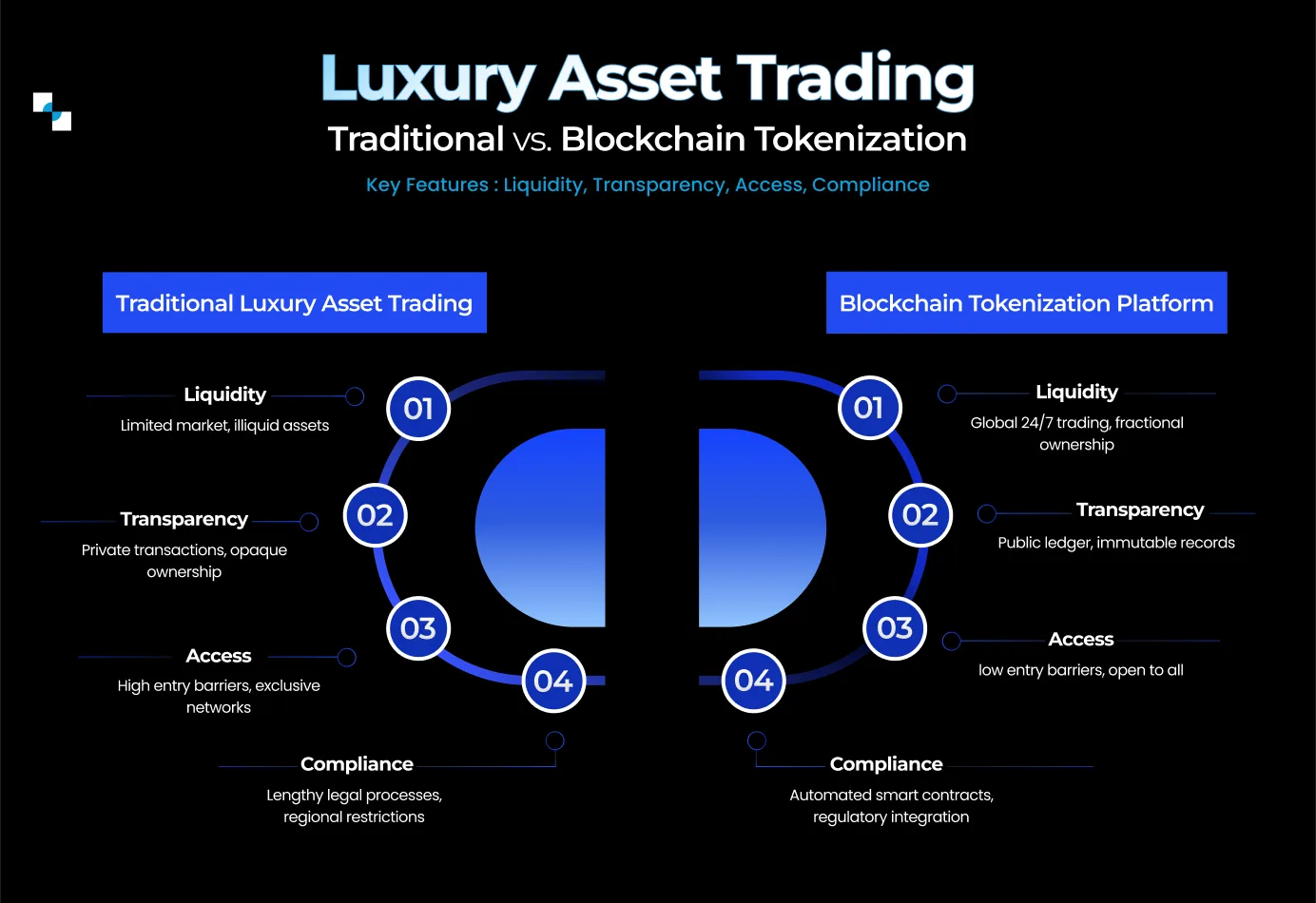
Tokenized luxury strategy isn't a monolith; it splits across distinct asset classes, each with its own liquidity profile and regulatory weight. Real estate, watches, and art represent the three pillars of this market, but they function very differently on-chain.
| Asset Class | Liquidity | Entry Cost | Regulatory Complexity |
|---|---|---|---|
| Real Estate | Low | High | High |
| Watches | Medium | Medium | Medium |
| Art | Low | Very High | High |
Real estate
Real estate tokenization converts physical property value into digital tokens that can be bought, sold, or traded, as noted by EY. This process typically involves financial rights such as equity, income, or profit shares [EY].
The primary advantage is divisibility. A trophy asset that previously required millions in capital can be split into smaller units, allowing a broader investor base to participate. However, liquidity remains low because secondary markets for property tokens are still nascent, and regulatory hurdles for securities compliance are significant.
Watches
Luxury watches offer a different dynamic. They are smaller, easier to store, and have a well-established secondary market. Tokenization here often focuses on fractional ownership of high-value pieces, such as a Patek Philippe or Rolex Daytona.
Liquidity is higher than real estate because the underlying asset is portable and has clear valuation benchmarks. Regulatory complexity is moderate, as these are often classified as collectibles rather than securities, though this depends on the jurisdiction and the structure of the token.
Art
Art tokenization is the most complex. High-value paintings and sculptures are illiquid and difficult to authenticate. While tokenization can democratize access to blue-chip art, the lack of standardized pricing and the physical challenges of storage and insurance make it a niche play.
Regulatory scrutiny is intense, as art is often used for money laundering or tax evasion. Investors must navigate strict KYC/AML requirements and ensure the token represents a legitimate legal claim to the physical artwork.
Navigating the regulatory landscape
Tokenized luxury isn’t just about blockchain; it’s about legal compliance. The regulatory environment is shifting rapidly, with jurisdictions like Luxembourg and Singapore setting the standard for asset tokenization. You need to understand these frameworks to protect your investment.
Compliance essentials
Before you buy, verify the issuer’s regulatory status. Look for licenses from bodies like the Luxembourg Commission de Surveillance du Secteur Financier (CSSF). They oversee digital asset offerings under the 2019 Law on Securitization, which provides a clear path for tokenized real estate and luxury goods.
KYC and AML requirements
Know Your Customer (KYC) and Anti-Money Laundering (AML) checks are non-negotiable. Reputable platforms require identity verification before allowing transactions. This isn’t just bureaucracy; it’s a legal requirement to prevent illicit activities. Ensure the platform you choose has robust verification processes in place.
Smart contract audits
The code governing your token must be secure. Look for platforms that have undergone third-party smart contract audits. These audits verify that the token’s logic matches the legal agreement. Without this, you’re exposed to technical risks that could freeze your assets or lead to loss.
Jurisdiction matters
Where the issuer is based matters. Some jurisdictions offer stronger investor protections than others. Research the legal framework of the issuer’s home country. If the platform operates in a regulatory gray area, your recourse in case of dispute may be limited.
Staying updated
Regulations evolve. What’s compliant today might not be tomorrow. Follow official sources like the European Securities and Markets Authority (ESMA) for updates on digital assets. Staying informed helps you adapt your strategy and avoid sudden regulatory hurdles.
Risk management
Diversify your tokenized luxury portfolio. Don’t put all your capital into one asset or platform. This reduces exposure to specific regulatory or technical failures. Also, consider the liquidity risk; some tokenized assets may be harder to sell quickly than traditional luxury goods.
The bottom line
Regulatory compliance is the foundation of a safe tokenized luxury strategy. By focusing on licensed issuers, verified KYC/AML processes, audited smart contracts, and clear jurisdictional frameworks, you can mitigate risks and participate in this emerging market with confidence.
Top tools for tracking luxury assets
Tracking tokenized luxury assets requires specialized infrastructure. You need platforms that bridge the gap between physical ownership and digital ledger verification. Standard crypto wallets often lack the specific metadata fields required for high-value real-world assets (RWAs).
These tools help you monitor fractional ownership, verify authenticity, and track secondary market liquidity. Without the right dashboard, your luxury token portfolio can become difficult to audit.

Essential hardware and reference guides
Security remains the foundation of any tokenized strategy. Before selecting a tracking platform, ensure your private keys are isolated. The following resources provide the necessary hardware and educational foundation for secure asset management.


As an Amazon Associate, we may earn from qualifying purchases.
These tools form the baseline for secure interaction with tokenized luxury markets. Pair them with a dedicated RWA tracking platform to monitor your fractional holdings in real time.
Frequently asked questions about tokenization
What is tokenization of luxury goods?
Tokenization transforms physical luxury assets—such as watches, artworks, and real estate—into digital tokens on a blockchain. This process allows investors to acquire fractional shares of high-value items, democratizing access beyond traditional wealthy elites. For instance, a €500,000 timepiece can be divided into 10,000 tokens worth €50 each, enabling broader participation in the luxury market [StanTax].
Is tokenized luxury legal?
The regulatory landscape varies significantly by jurisdiction. In Europe, the Markets in Crypto-Assets (MiCA) regulation provides a clearer framework for digital assets, while the United States relies on existing securities laws enforced by the SEC. Always verify local compliance requirements before investing, as tokenized assets may be classified as securities depending on their structure and profit-sharing mechanisms.
How liquid are tokenized luxury assets?
Liquidity depends heavily on the specific platform and the asset class. While secondary markets for tokenized art and real estate are still developing, they generally offer more liquidity than owning the physical asset directly. However, unlike stocks, these markets lack the depth of major exchanges, meaning selling large positions quickly may result in price slippage.
No comments yet. Be the first to share your thoughts!