Defining the tokenized luxury market
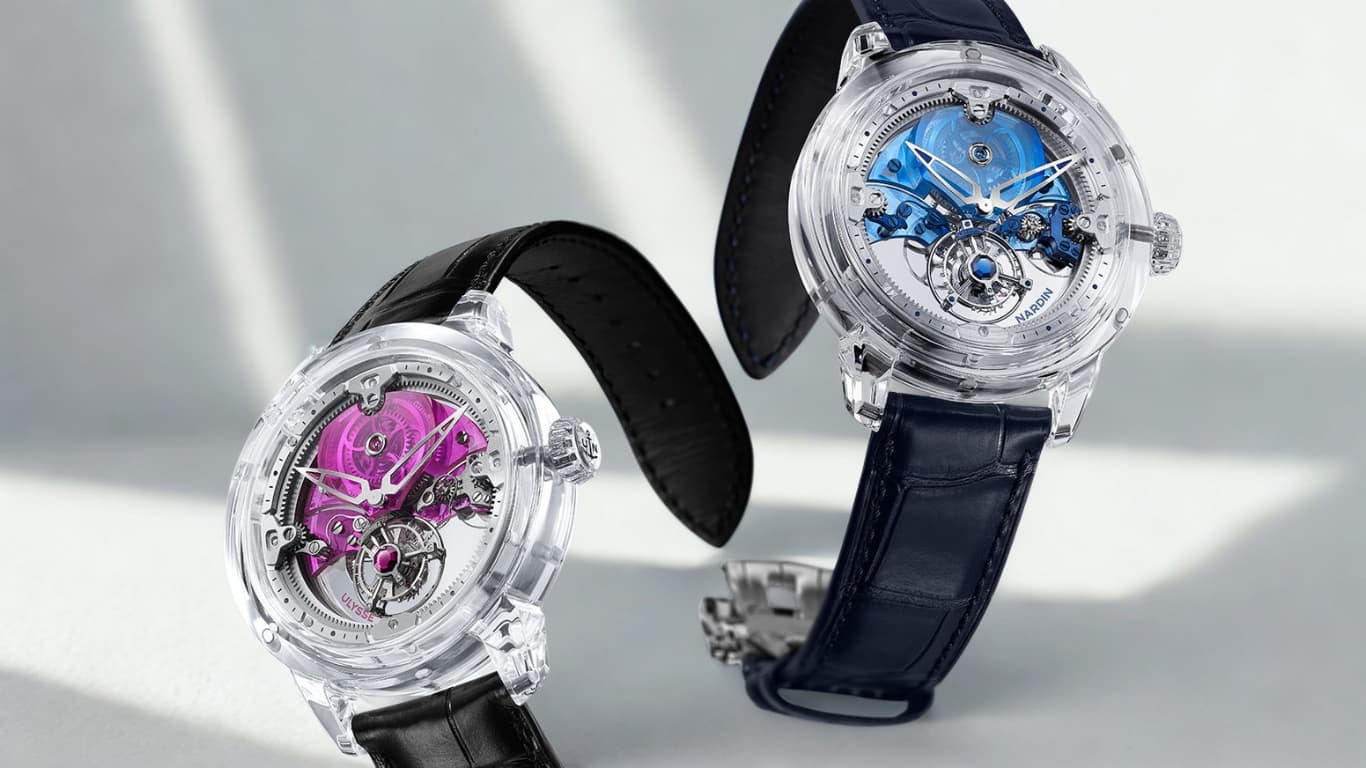
Tokenized luxury represents a specific niche within the broader real-world asset (RWA) sector, focusing on fractionalized ownership of high-value physical goods. Unlike the speculative frenzy of digital collectibles or meme coins, this market is anchored in tangible assets with established valuation metrics: fine art, vintage wine, real estate, and luxury watches. The core value proposition here is liquidity and accessibility, allowing investors to own a share of a $5 million painting or a Bordeaux collection without the logistical burden of storage and insurance.
This distinction is critical for serious financial analysis. Tokenized luxury operates on blockchain infrastructure to prove authenticity and track ownership history, effectively solving the provenance issues that plague traditional high-end markets. It is not about owning a JPEG; it is about holding a digital certificate of ownership for a physical item that retains intrinsic value regardless of crypto market sentiment.
The infrastructure supporting this sector relies on rigorous legal frameworks and custodial partnerships. Platforms typically partner with established auction houses, wine merchants, or watch dealers to vet assets before tokenization. This blend of traditional luxury expertise and blockchain transparency creates a hybrid market that appeals to both high-net-worth individuals seeking diversification and tech-savvy investors looking for exposure to alternative assets.
Comparing tokenization infrastructure options
Choosing the right infrastructure for tokenizing luxury assets requires balancing liquidity, regulatory compliance, and custody security. The market currently offers distinct pathways, each with specific trade-offs for high-net-worth individuals and institutional investors.
Public vs. Private Blockchain Networks
Public blockchains like Ethereum offer superior liquidity and transparency, making them ideal for fractional ownership of high-value items like art or watches. However, they often lack the privacy required for sensitive luxury transactions. Private, permissioned networks provide greater control and data confidentiality but may limit secondary market trading capabilities.
Regulatory Compliance Frameworks
Compliance is the backbone of legitimate tokenization. Infrastructure must support Know Your Customer (KYC) and Anti-Money Laundering (AML) protocols at the smart contract level. Leading platforms integrate these checks directly into the token issuance process, ensuring that only verified investors can hold or trade the assets. This reduces legal risk and enhances institutional confidence.
Custody and Security Models
Secure custody is non-negotiable for luxury assets. Infrastructure options range from self-custody wallets, which give investors full control but require technical expertise, to institutional-grade custodians that offer insurance and multi-signature authorization. The choice depends on the investor's comfort with risk and their desire for direct asset control.
| Feature | Public Blockchain | Private Network | Hybrid Model |
|---|---|---|---|
| Liquidity | High | Low | Medium |
| Privacy | Low | High | Medium |
| Compliance | Basic | Advanced | Advanced |
| Custody | Self-Custody | Institutional | Mixed |
Key Takeaways
- Public chains offer liquidity but less privacy.
- Private networks provide control and compliance.
- Hybrid models balance both worlds.
Market performance and liquidity analysis
The tokenized luxury market is currently navigating a phase of early adoption, where price discovery is still finding its footing. Unlike traditional luxury assets, which have decades of historical data, tokenized real estate and high-value collectibles operate on fragmented exchanges. This fragmentation means that liquidity is not uniform; it fluctuates wildly depending on the specific asset class and the platform facilitating the trade.
Liquidity constraints remain the primary hurdle for institutional entry. While the promise of fractional ownership lowers the barrier to entry, the secondary market for these tokens is often thin. Investors may find it difficult to exit positions quickly without accepting a significant discount, especially during periods of broader crypto market volatility. This illiquidity premium must be priced into the asset, affecting overall returns.
Correlation with traditional luxury indices is still evolving. Early data suggests that tokenized assets do not yet move in lockstep with traditional luxury benchmarks like the Knight Frank Luxury Investment Index. Instead, they often track broader cryptocurrency trends more closely. As the infrastructure matures and more regulated platforms emerge, we expect this correlation to decouple, allowing tokenized luxury to function as a true diversifier rather than a proxy for crypto speculation.
To understand the current price dynamics, it is helpful to look at the performance of leading Real World Asset (RWA) tokens. These assets serve as a proxy for the broader tokenized luxury sector, reflecting investor sentiment and capital flows into the space.
The chart above illustrates the price action of a major RWA token, providing a visual representation of the volatility and volume trends currently shaping the market. Investors should monitor these patterns closely as they evaluate the stability of tokenized luxury investments.
Navigating regulatory and custody risks
Tokenized Luxury works best as a clear sequence: define the constraint, compare the realistic options, test the tradeoff, and choose the path with the fewest hidden costs. That order keeps the advice usable instead of decorative. After each step, pause long enough to check whether the recommendation still fits the reader's actual situation. If it depends on perfect timing, unusual access, or a best-case budget, include a simpler fallback.
The simplest way to use this section is to write down the real constraint first, compare each option against it, and choose the path that still works outside ideal conditions.
Strategic entry points for investors
Entering the tokenized luxury market requires treating digital tokens as a gateway to physical assets, not speculative crypto plays. Success depends on verifying the legal bridge between the token and the underlying item, whether that is a watch, handbag, or fine art.
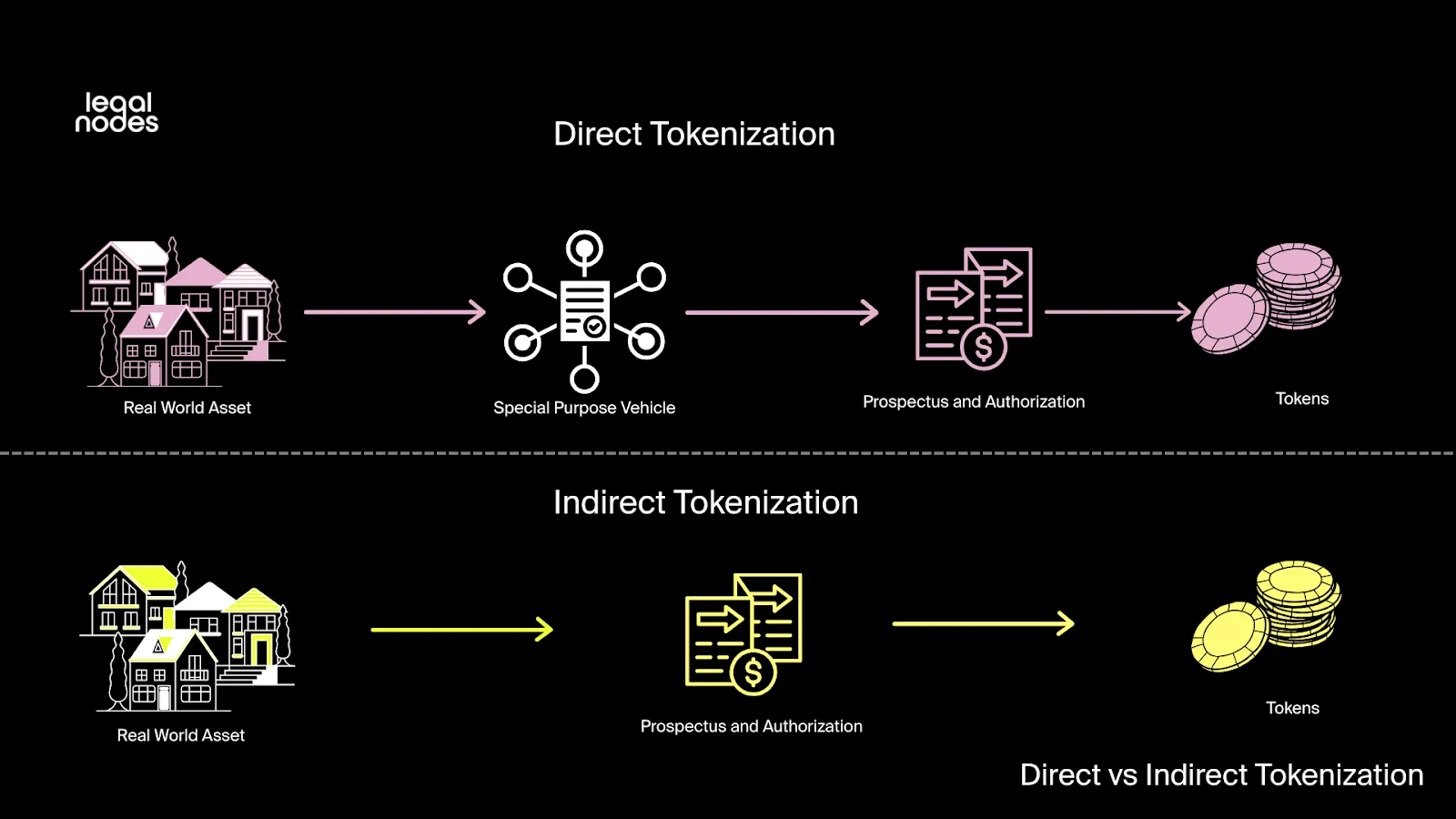
Look for Special Purpose Vehicles (SPVs) or trusts that hold the physical asset. The token should represent a fractional share of this legal entity, not just a digital receipt. Ensure the terms clearly define how ownership rights and physical redemption work.
Physical assets degrade or get stolen. Check if the platform uses professional third-party custodians and if the asset is fully insured against damage and loss. The insurance policy should name the token holders as beneficiaries, not just the platform operator.
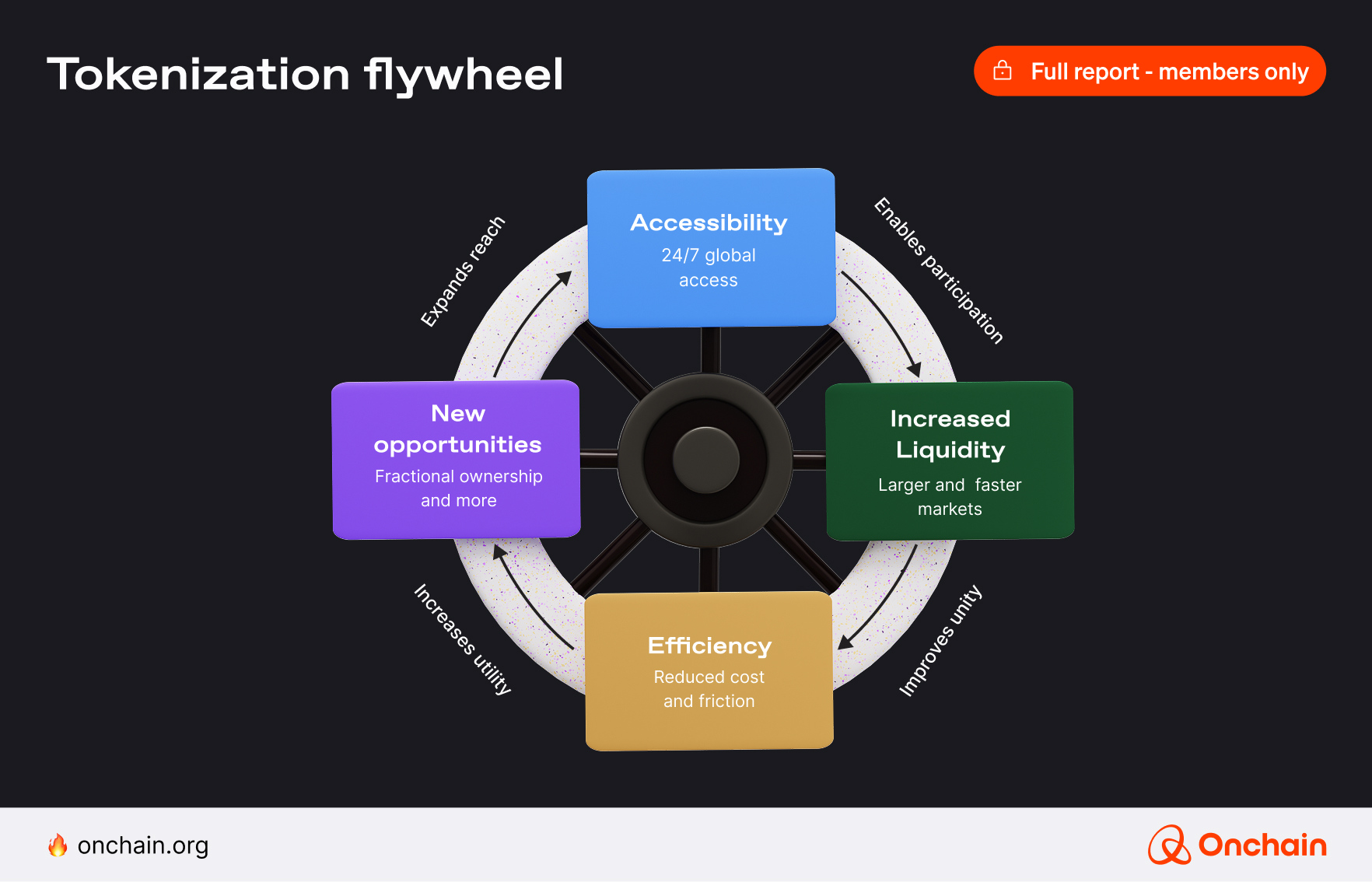
Unlike stocks, tokenized luxury assets can be illiquid. Verify which exchanges list the token and what the historical trading volume looks like. Avoid platforms that promise liquidity but lack a robust network of buyers or a clear buy-back guarantee.
Before committing capital, use the chart below to compare the performance of the broader luxury asset market against traditional indices. This helps contextualize whether tokenized luxury is moving in tandem with physical market trends or decoupling into a separate speculative vehicle.
Helpful gear
Use these product recommendations as a starting point, then choose the size, material, and price point that fit how you actually use the gear.


As an Amazon Associate, we may earn from qualifying purchases.
No comments yet. Be the first to share your thoughts!