What tokenized luxury actually means
Tokenized luxury is the fractional ownership of high-value physical assets through blockchain tokens. It transforms tangible goods—like watches, fine art, and rare wine—into digital shares that can be bought and sold on a ledger. This model distinguishes itself from speculative NFTs by anchoring value in real-world assets (RWA) rather than purely digital collectibles.
Think of it as a digital deed. Instead of buying a whole painting, you purchase a token that represents a specific fraction of that painting's value. For example, a €500,000 watch can be divided into 10,000 tokens worth €50 each. This structure democratizes access, allowing investors to participate in markets traditionally reserved for high-net-worth individuals.
The core mechanism relies on a digital token that includes provenance, authenticity, and ownership history. This digital representation is backed by the physical item, which is typically held in secure storage. The token acts as a receipt and a tradable asset, bridging the gap between physical luxury and digital liquidity.
This approach creates a new market layer where ownership is divisible and transferable. It does not replace traditional luxury consumption but offers a parallel financial instrument for those seeking exposure to luxury goods without the logistical burden of storage, insurance, and authentication.
The infrastructure behind tokenized luxury assets
Tokenizing a luxury good is not just about uploading a photo to a blockchain. It requires a legal and technical stack that ensures the digital token actually represents the physical item and complies with financial regulations. Without this foundation, the token is just a digital collectible with no claim on the underlying asset.
Smart contracts and fractional ownership
The core of the system is the smart contract, which acts as the digital ledger. It defines ownership rights, transfer rules, and how fractional shares are split. For a high-value item like a €500,000 watch, the contract might divide it into 10,000 tokens worth €50 each. This structure allows multiple investors to hold a piece of the asset, increasing liquidity for items that are typically illiquid. The contract automates many administrative tasks, such as distributing dividends if the asset generates income, though for pure luxury goods, this is often limited to capital appreciation.
Custodial solutions and verification
A token is only as valuable as the asset it represents. This is where custodial solutions come in. A trusted third party holds the physical asset in a secure location, such as a freeport or a specialized vault. They are responsible for verifying the asset's authenticity, maintaining its condition, and insuring it against damage or theft. Some platforms use non-fungible tokens (NFTs) to link a unique digital identity to the physical item, often including detailed provenance records and condition reports. This link is critical for maintaining trust; if the physical item is lost or damaged, the token's value can be severely impacted or rendered worthless.
Regulatory frameworks: KYC and AML
Because tokenized luxury assets can be considered securities or investment contracts, they are subject to strict regulatory oversight. Platforms must implement robust Know Your Customer (KYC) and Anti-Money Laundering (AML) procedures to verify the identity of investors. This ensures that the platform is not being used for illicit financial activities. Compliance varies by jurisdiction, but most reputable platforms operate under specific licenses or exemptions that allow them to offer fractional ownership to accredited or retail investors, depending on local laws. This regulatory layer adds a cost to the process but is essential for institutional adoption and investor protection.
Comparing Luxury Asset Classes
Tokenizing luxury assets sounds like a shortcut to the same returns, but the underlying mechanics vary wildly. Watches, art, fine wine, and real estate each carry distinct risks regarding how quickly you can cash out, how much the price swings, and how much capital you need to start. Understanding these differences is essential before allocating capital to any single class.
The following comparison breaks down the primary trade-offs between the most common tokenized luxury categories. It highlights liquidity constraints, historical volatility patterns, and the typical entry barriers for fractional investors.
| Asset Class | Liquidity | Volatility | Min. Entry |
|---|---|---|---|
| Luxury Watches | Medium | Low-Medium | €50 - €500 |
| Fine Art | Low | Low | €100 - €1,000 |
| Fine Wine | Medium | Low | €100 - €500 |
| Real Estate | Low | Low | €500 - €5,000 |
Watches and wine tend to offer the best balance for new token investors. These assets have established secondary markets and standardized authentication processes, which translates to relatively higher liquidity on tokenized platforms. You can often buy and sell fractional shares with minimal friction, making them suitable for portfolio diversification without locking up capital for years.
Art and real estate, while historically stable, are illiquid by nature. Tokenization improves access by lowering the entry barrier, but it does not fundamentally change the asset's slow-moving market. Selling a tokenized share often requires finding a buyer on a secondary marketplace or waiting for a buyback event, which can take months. These assets are better suited for long-term hold strategies rather than active trading.
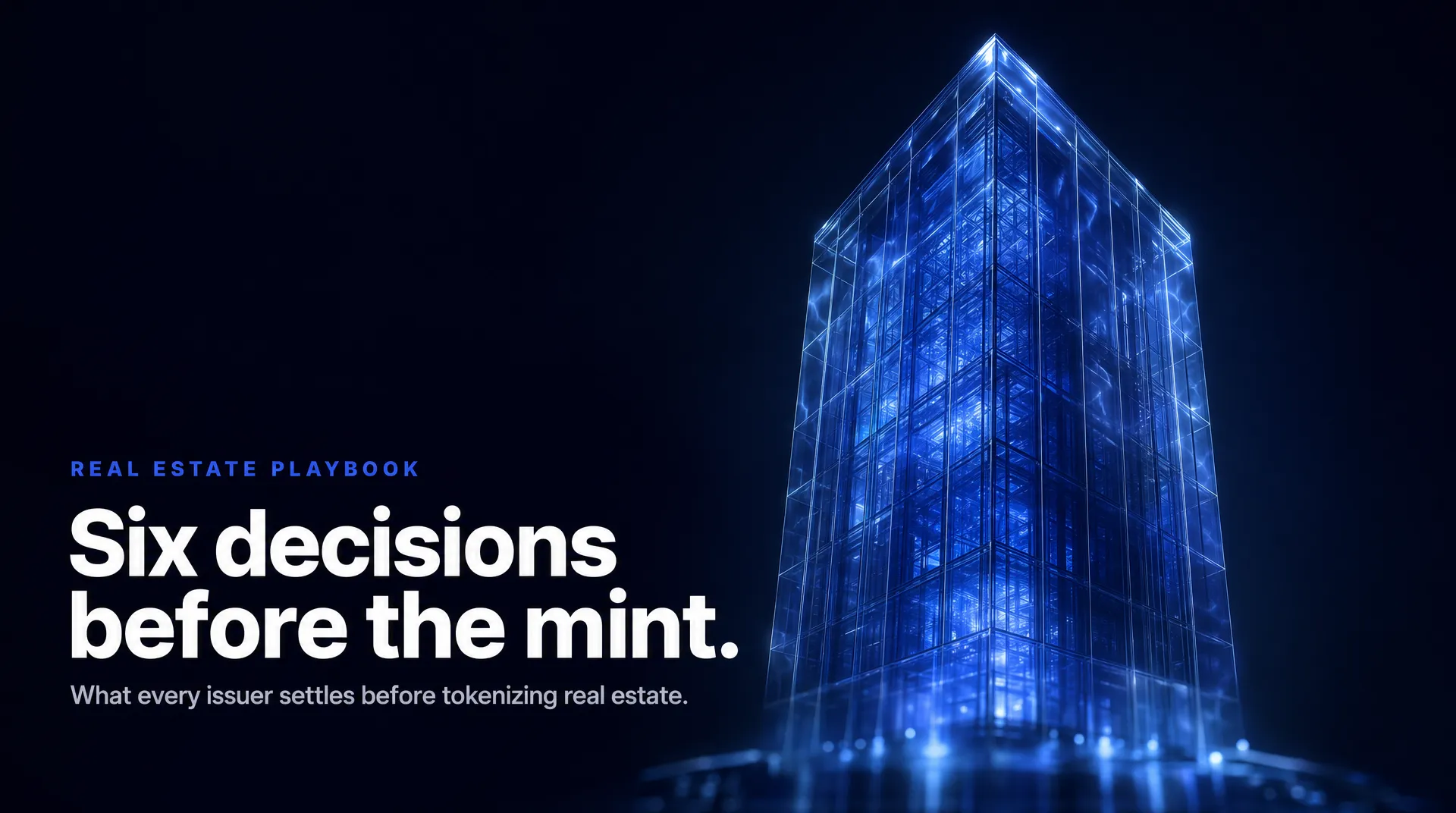
When evaluating these options, remember that "low volatility" in luxury assets often masks the risk of price opacity. Unlike stocks, there is no real-time market price for a Picasso or a penthouse in Paris. Tokenized prices are often based on periodic appraisals or algorithmic models, which may not reflect immediate market sentiment. Always verify the appraisal frequency and the reputation of the underlying custodian before investing.
Market strategy and risks
Entering the tokenized luxury market requires treating digital ownership like a specialized hedge fund rather than a casual crypto trade. The promise of fractional ownership is real, but the infrastructure is still maturing. You need a disciplined approach to avoid liquidity traps and regulatory surprises.
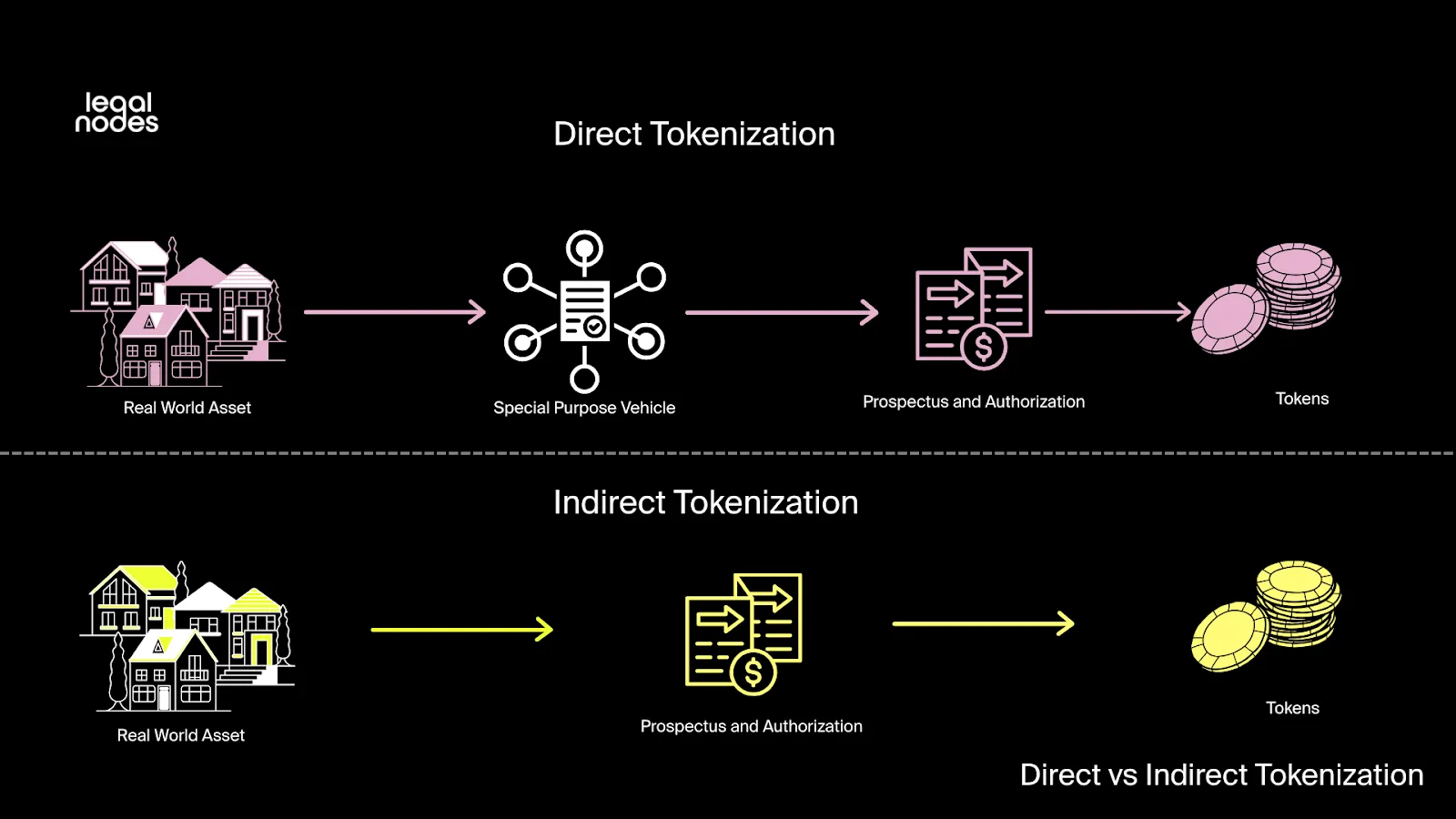
Before buying, check if the token is structured as a security or a utility. In the EU, many platforms use SPVs (Special Purpose Vehicles) to hold the physical asset. This legal layer is what protects your ownership rights if the platform fails. Without it, you are holding a speculative point, not a share of a watch or painting.
Unlike Bitcoin, you cannot always sell instantly. Many platforms have lock-up periods or require a secondary market to exist. Check the platform’s trading volume and the average time it takes to exit a position. Illiquidity is the biggest risk in tokenized luxury; you might be stuck with an asset you can’t sell when you need cash.
Luxury assets are not priced by simple algorithms. A vintage Rolex’s value depends on condition, provenance, and market trends. Ensure the platform uses independent appraisers and provides regular re-valuation reports. Static valuations are a red flag; the asset’s worth must reflect real-world market data.
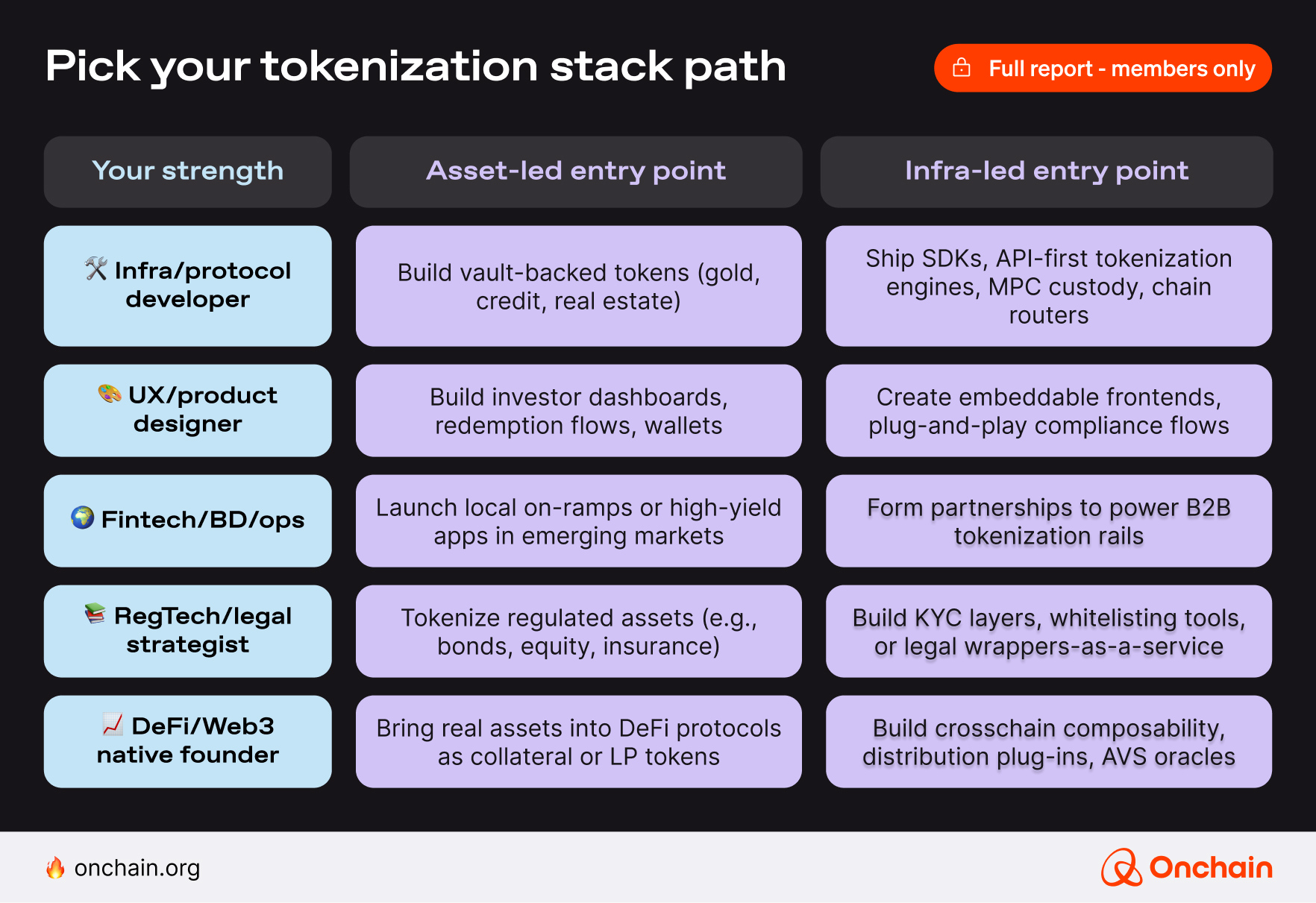
Regulations are evolving rapidly. The EU’s MiCA framework and US SEC guidelines are reshaping how these assets are classified. Stay updated on local tax implications for capital gains and holding fees. Ignoring compliance can lead to frozen accounts or unexpected tax liabilities.
The market is growing, but it is not yet a mainstream investment vehicle. Treat it as a niche allocation within a broader portfolio. Focus on platforms with transparent legal structures and active secondary markets. If the infrastructure isn’t robust, the asset is just a digital IOU.
| Factor | Risk Level | Mitigation |
|---|---|---|
| Liquidity | High | Check secondary market volume |
| Valuation | Medium | Verify independent appraisals |
| Regulation | High | Monitor EU/US policy updates |
| Platform Risk | Medium | Use platforms with SPVs |
This approach balances the upside of tokenization with the realities of the luxury market. By focusing on legal structure and liquidity, you can manage the risks and potentially benefit from the next wave of digital ownership.
Frequently asked: what to check next
Helpful gear
Use these product recommendations as a starting point, then choose the size, material, and price point that fit how you actually use the gear.


As an Amazon Associate, we may earn from qualifying purchases.
No comments yet. Be the first to share your thoughts!