Why luxury assets need onchain liquidity
High-net-worth portfolios are often heavy on prestige but light on cash. A vintage Patek Philippe, a rare wine collection, or a classic car can represent millions in value, yet that wealth is effectively trapped. These assets are illiquid by nature. Selling them requires finding a niche buyer, navigating private auctions, and accepting significant time lags or price concessions. For an investor who needs to rebalance or access capital quickly, physical luxury is a liability.
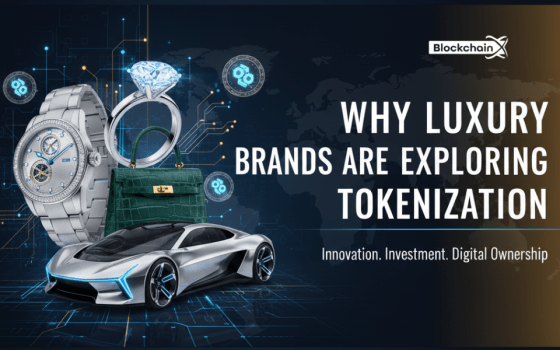
Onchain infrastructure solves this friction by turning static objects into liquid financial instruments. Tokenization creates a digital twin of the physical asset, allowing fractional ownership and 24/7 secondary market trading while the physical item remains in secure custody. Instead of waiting months to sell a whole painting, an owner can sell 10% of its value in minutes on a blockchain network.
This shift isn't just about speed; it's about structural transparency. Traditional luxury markets are opaque, relying on private relationships and subjective appraisals. Blockchain ledgers provide an immutable record of ownership history and authenticity, reducing the risk of fraud that often dampens secondary market prices. By bringing these assets onchain, we unlock capital without forcing the owner to part with the physical item.
The market for these digital twins is evolving rapidly. As more institutional players enter the space, the liquidity pools for tokenized luxury goods are deepening, making it a viable alternative to traditional private equity or art funds. To understand the broader market context driving this infrastructure, it helps to look at how digital asset markets are performing overall.
The comparison between traditional illiquidity and onchain efficiency is stark. While a physical auction house takes days to settle, a tokenized trade settles in seconds. This efficiency lowers the barrier to entry for smaller investors while giving high-net-worth individuals a new way to manage wealth distribution.
The Infrastructure Behind Tokenized Luxury
Building a tokenized luxury strategy requires more than just minting a token; it demands a robust technological stack that bridges the physical asset with the blockchain. The infrastructure is moving beyond experimental pilots to specialized platforms designed to handle the unique compliance, custody, and liquidity needs of high-value goods like art, fine wine, and luxury automobiles.
Platform Architectures Compared
Leading providers are adopting different approaches to solve the "last mile" problem of asset verification and transfer. Below is a comparison of the current infrastructure landscape, focusing on how they handle asset classes and market liquidity.
| Provider | Primary Focus | Custody Model | Liquidity Feature |
|---|---|---|---|
| Brickken | Luxury RWAs (Art, Wine, Cars) | Integrated Partner Network | Secondary Market Access |
| Centrifuge | Real Estate & Trade Finance | Protocol-Level Smart Contracts | DeFi Pool Integration |
| Polymath | General Security Tokens | Third-Party Custodians | Compliant Secondary Markets |
| Securitize | Institutional Assets | Institutional Grade Custody | Private Market Trading |
Brickken and the Luxury Niche
Brickken has carved out a specific niche in the tokenized luxury sector. Their infrastructure is built to handle the complexities of fractional ownership for tangible assets. By integrating with verified custodians, they ensure that the physical asset backing the token is secure and insured, a critical requirement for high-net-worth investors. This approach reduces the friction typically associated with buying and selling fractional shares of high-value items.
Broader RWA Protocols
While Brickken focuses on luxury, broader protocols like Centrifuge and Securitize provide the underlying rails for many tokenized assets. These platforms often prioritize institutional-grade compliance and integration with decentralized finance (DeFi) markets. For luxury assets, this means that tokenized shares might eventually be usable as collateral in DeFi lending protocols, unlocking liquidity without requiring a sale.
Infrastructure Tools for Investors
For investors looking to engage with this space, having the right tools is essential. While specific hardware wallets vary, securing your digital assets requires reliable storage solutions. Below are some highly rated hardware wallets and security tools that are commonly used to protect crypto holdings and NFTs.


As an Amazon Associate, we may earn from qualifying purchases.
Market Context
The growth of this infrastructure is tied to broader market trends in real-world assets. Monitoring the performance of major crypto assets can provide context for the liquidity available in these niche markets.
Which luxury categories are driving tokenization
The shift toward onchain luxury isn't happening across the board. It is concentrated in asset classes where provenance is paramount and liquidity is traditionally nonexistent. For high-net-worth investors, the goal isn't just digital ownership—it's the ability to unlock capital without liquidating the entire asset.
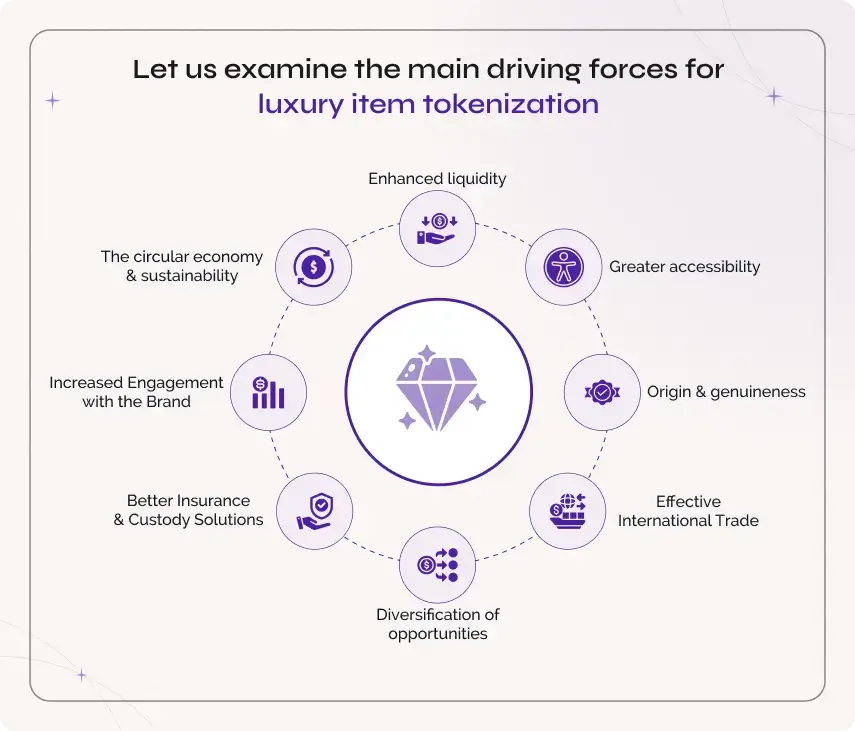
Fine art and luxury watches lead this charge. These categories share a critical infrastructure requirement: a verifiable, immutable history. When a $5 million Patek Philippe or a mid-century painting is tokenized, the blockchain serves as its permanent provenance ledger. This solves the "who owns this and is it real" problem that has plagued secondary markets for decades.
Rare wine and classic cars follow closely. These assets are illiquid by nature, often sitting in vaults or climate-controlled garages. Tokenization allows owners to sell fractional shares to a global pool of investors, creating a secondary market that didn't exist before. This isn't about democratizing access for the masses; it's about creating a liquid exit strategy for assets that were previously stuck.
The infrastructure supporting this is evolving rapidly. While traditional markets move in quarterly cycles, onchain settlement is near-instant. This speed is critical for luxury assets, where the value of authenticity and timing can swing dramatically.
Market context and technical indicators
Understanding the liquidity of these assets requires looking at the broader market infrastructure. The performance of the underlying blockchain networks and the stability of the settlement currencies directly impact the viability of tokenized luxury.
The Ethereum network remains the primary settlement layer for most high-value luxury tokenization projects due to its deep liquidity and established smart contract ecosystem. The chart above shows the recent volatility and volume trends, which are key indicators for timing asset transfers. When liquidity is high, the spread between buy and sell orders for fractional shares tightens, making the asset more attractive to investors.
For investors, this means the technical health of the underlying chain is as important as the physical condition of the asset. A robust network ensures that when you want to sell your fraction of a rare watch, the transaction settles quickly and securely.
Tracking the RWA tokenization market
The broader Real World Asset (RWA) market is no longer just a pilot program; it is scaling into a significant liquidity layer for high-net-worth portfolios. McKinsey notes that tokenization effectively creates a large, universally available digital vault where assets reside but ownership can be traded instantly. This infrastructure shift is exactly what allows luxury assets like fine wine or art to gain the same liquidity as public equities.
To understand the momentum behind this shift, it helps to look at the technical chart of a major RWA-focused index. The following chart illustrates the price and volume trends that signal growing institutional interest in on-chain infrastructure.
When you see volume expanding alongside price stability in this sector, it usually means smart money is accumulating positions before broader adoption. For luxury investors, this macro trend is the green light. It confirms that the plumbing for tokenized assets is deep enough to handle large, illiquid positions without slippage.
How to execute a tokenized luxury strategy
Tokenizing a luxury asset or investing in one isn't just about uploading a photo to a blockchain. It requires a rigorous infrastructure to ensure the physical item exists and the digital token is legally binding. For high-net-worth individuals, the process is less about speculation and more about verifying custody and legal structure.
Before committing capital, audit the platform's custody arrangements. The asset must be held by a regulated third-party custodian, not the platform itself. Check if the token represents direct legal ownership or a beneficial interest, and ensure the jurisdiction of the holding entity is clear. This verification protects your liquidity rights.
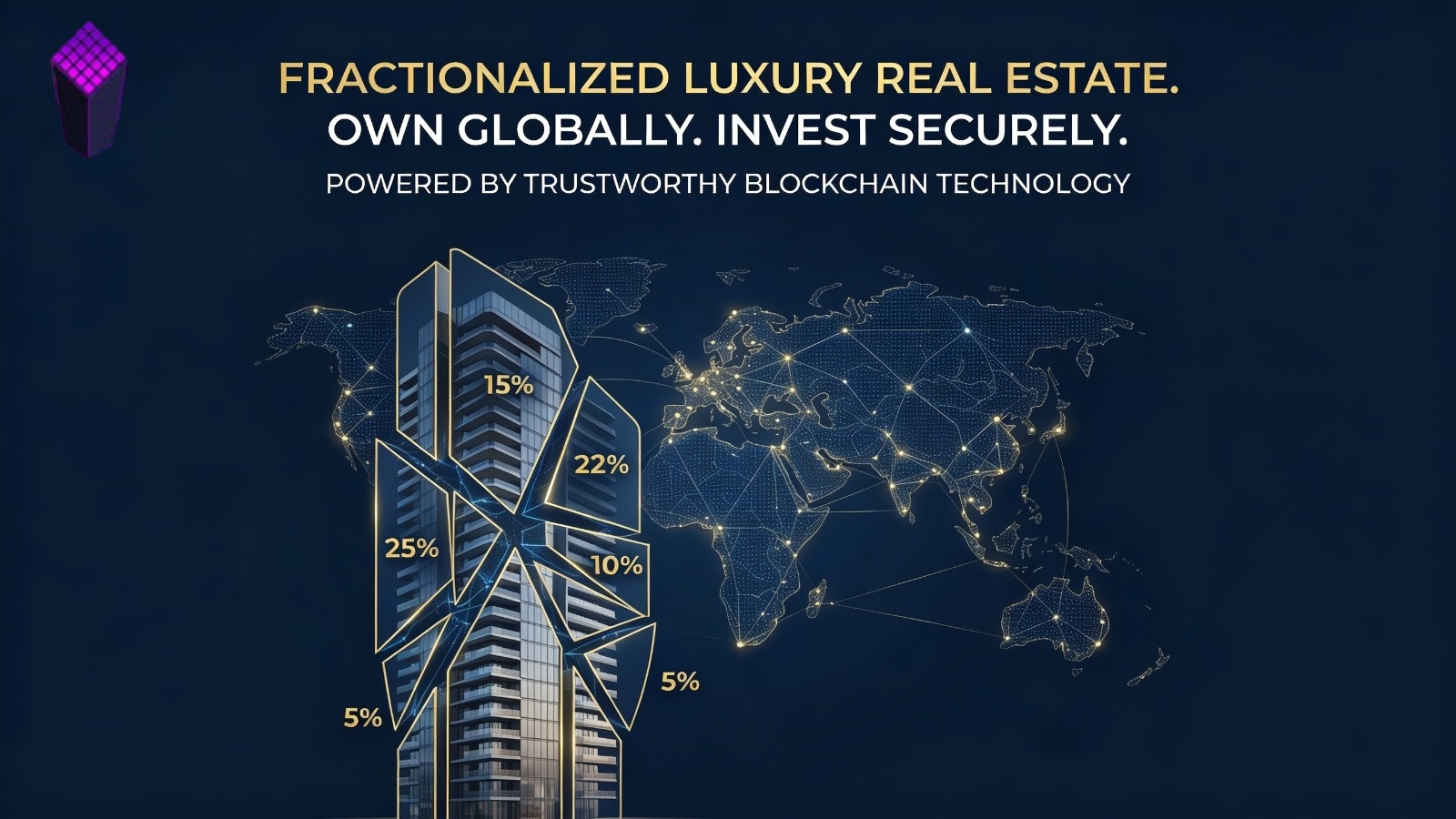
Liquidity is the primary value proposition of tokenization. Ensure the platform has a built-in secondary market or clear partnerships with regulated exchanges. Without a reliable exit mechanism, your fractional ownership is just a digital lock on a physical asset. Review the trading volume and fee structure for secondary sales.

While specific luxury token prices may be opaque, the underlying blockchain infrastructure often correlates with broader crypto market trends. Use a technical chart to monitor the stability of the base layer (e.g., Ethereum or a specialized L2) where these tokens reside. A healthy network ensures low gas fees and reliable transaction settlement for your asset transfers.
The infrastructure supporting tokenized luxury assets is still maturing. Focus on platforms that prioritize transparency over hype. If the legal wrapper is weak or the custody is unverified, the token is merely a speculative derivative, not a secure investment vehicle.
Frequently asked questions about tokenized luxury
The tokenization space moves quickly, and high-net-worth investors often face a steep learning curve when navigating on-chain infrastructure. Below, we address the most common questions regarding market leaders, asset-specific strategies, and the technical mechanics of tokenizing luxury goods.
No comments yet. Be the first to share your thoughts!