The infrastructure constraints of tokenized luxury
Tokenizing luxury assets requires more than just minting a digital certificate. It demands a robust infrastructure that bridges physical valuation with digital ownership. This infrastructure constraint is the primary bottleneck preventing mass adoption. Without rigorous verification and secure custody, fractional ownership models remain speculative rather than institutional.
The core challenge lies in the "oracle problem": ensuring the digital token accurately reflects the real-world asset. For high-value items like fine watches or art, this means integrating legal frameworks, insurance, and physical storage. The infrastructure must handle compliance, such as KYC/AML checks, while maintaining the privacy expected by luxury clients.
Current platforms are experimenting with hybrid models. Some use blockchain for title transfer, while keeping the asset in professional vaults. Others focus on liquidity, allowing tokens to be traded on secondary markets. The tradeoff is clear: greater liquidity often requires more regulatory overhead and lower exclusivity. Investors must weigh the convenience of fractional access against the security of the underlying infrastructure.
Choosing the right platform depends on the asset class. Real estate tokenization requires heavy legal structuring, while watches may rely more on authentication technology. The infrastructure must match the specific risks of each asset type to ensure long-term viability.
Tokenized luxury infrastructure choices that change the plan
Choosing a tokenization model depends on whether you prioritize speed, liquidity, or institutional compliance. The infrastructure layer dictates how assets are issued, how ownership is recorded, and how secondary trading occurs. Each approach carries distinct operational risks and regulatory implications that investors must evaluate before allocating capital.
Centralized vs. Decentralized Issuance
Centralized platforms act as gatekeepers, managing the legal wrappers and custody of the underlying asset. This model offers familiarity and clearer recourse in case of disputes but introduces counterparty risk. If the platform fails or faces regulatory action, access to the underlying token can be frozen or lost. Decentralized infrastructure removes the middleman, relying on smart contracts and on-chain governance. While this reduces single points of failure, it shifts liability to the code itself. Bugs or exploits in the smart contract can lead to irreversible losses, making technical audit quality the primary safeguard.
Liquidity and Trading Venue
The venue where tokens are traded determines how quickly you can exit a position. Traditional real estate is illiquid, but tokenization promises fractional liquidity. However, not all tokenized assets trade on open exchanges. Some are restricted to private secondary markets or internal platform ledgers, limiting price discovery and buyer pools. Open blockchain networks offer broader accessibility but may suffer from lower trading volumes for niche assets like luxury watches or private aviation. Investors should verify if a platform supports external wallet connectivity or locks funds within a closed ecosystem.
Regulatory Compliance and KYC
Institutional-grade tokenization requires robust identity verification and compliance checks. Platforms that integrate automated KYC/AML procedures at the token level (often called "permissioned tokens") ensure that only accredited or verified investors can trade. This reduces legal risk but adds friction to the user experience. Non-compliant or "permissionless" tokens may offer easier access but carry significant legal uncertainty, especially regarding securities laws in jurisdictions like the US or EU. For luxury assets, the legal structure—whether a LLC, trust, or fund—must align with the token’s legal standing to protect ownership rights.
Cost Structure and Fees
Infrastructure costs vary widely. Centralized platforms often charge issuance fees, management fees, and transaction commissions, which can erode yields on high-value but low-turnover assets. Decentralized models rely on gas fees and protocol revenue, which can spike during network congestion. Additionally, legal and audit costs are often passed to investors. A transparent fee structure is essential; hidden costs in custody or redemption can significantly impact net returns. Compare the total cost of ownership, including secondary trading fees, against traditional fractional investment vehicles.
| Feature | Centralized Platform | Decentralized Protocol | Hybrid Model |
|---|---|---|---|
| Asset Custody | Third-party custodian | Smart contract / DAO | Custodian + on-chain record |
| Liquidity | Limited / Internal | Open / External | Controlled external |
| Regulatory Control | High / Platform-managed | Low / Code-based | Automated compliance |
| Counterparty Risk | High | Low (code risk) | Moderate |
The best infrastructure aligns with your investment horizon. For short-term trading, decentralized protocols with open liquidity offer flexibility. For long-term holds, centralized platforms with strong legal wrappers provide stability. Hybrid models are emerging as a compromise, offering on-chain transparency with off-chain legal enforcement. Always verify the legal structure and audit history before committing funds to any tokenized luxury asset.
Choose the next step
Tokenized Luxury works best as a clear sequence: define the constraint, compare the realistic options, test the tradeoff, and choose the path with the fewest hidden costs. That order keeps the advice usable instead of decorative. After each step, pause long enough to check whether the recommendation still fits the reader's actual situation. If it depends on perfect timing, unusual access, or a best-case budget, include a simpler fallback.

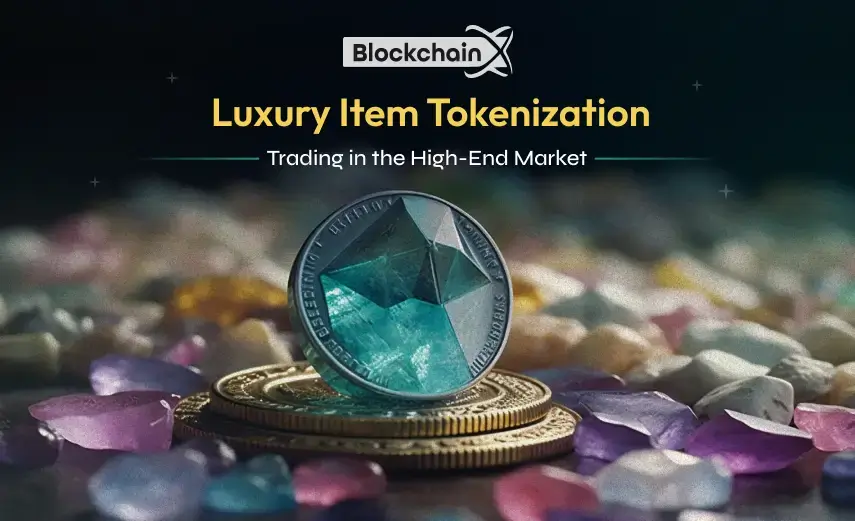
Avoid the weak options
Use this section to make the Tokenized Luxury decision easier to compare in real life, not just on paper. Start with the reader's actual constraint, then separate must-have requirements from details that are merely nice to have. A practical choice should survive normal use, maintenance, timing, and budget. If a recommendation only works in an ideal situation, call that out plainly and give the reader a fallback path.
The simplest way to use this section is to write down the must-have criteria first, then compare each option against those criteria before weighing nice-to-have features.
Tokenized luxury infrastructure: what to check next
Before committing capital to fractional ownership, it helps to understand the mechanics and players shaping the market. These questions address the most common practical objections regarding how tokenization works and who is building the necessary rails.
Helpful gear
Use these product recommendations as a starting point, then choose the size, material, and price point that fit how you actually use the gear.
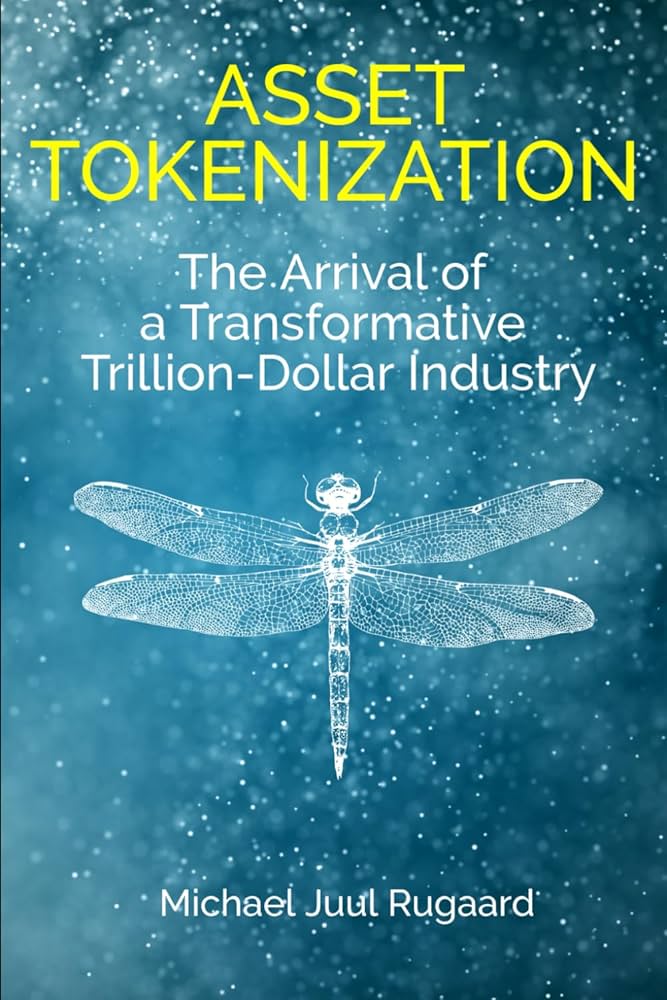


As an Amazon Associate, we may earn from qualifying purchases.
No comments yet. Be the first to share your thoughts!