What tokenized luxury assets actually are
Tokenized luxury assets are physical high-value items—such as fine watches, rare artworks, or prime real estate—represented as digital tokens on a blockchain. This process transforms illiquid prestige goods into liquid, tradeable digital instruments, allowing the market to function with the speed and accessibility of modern finance rather than the slow, paper-heavy traditional auction house model.
At its core, this technology creates a legal bridge between physical ownership and digital liquidity. When you buy a tokenized asset, you aren't just buying a speculative crypto token; you are acquiring a digital claim on a tangible object. The token acts as a digital certificate of ownership, often linked to smart contracts that automate dividend distributions, voting rights, or sale proceeds back to the token holder.
It is important to distinguish between two primary structures in this space. First, there is fractional ownership, where a single high-value item is divided into many fungible tokens. For instance, a €500,000 watch might be split into 10,000 tokens worth €50 each, allowing multiple investors to share in the asset's appreciation. Second, there is NFT-based provenance, where a non-fungible token serves as an immutable, verifiable record of authenticity and history for a unique item, enhancing its resale value and trust in secondary markets.
By digitizing these assets, the market lowers the barrier to entry while maintaining the prestige and tangibility that define luxury. Investors can now trade slices of blue-chip watches or fractional shares of Parisian real estate with the same ease as buying stocks, creating a new class of hybrid assets that blend the stability of physical goods with the efficiency of digital finance.
Comparing the Top Asset Classes for Tokenized Luxury
The tokenized luxury market isn't a monolith; it's a collection of distinct sub-markets, each with its own liquidity profile, regulatory hurdles, and entry barriers. Choosing the right asset class depends on whether you prioritize high-frequency trading or long-term value preservation. Understanding these differences is the first step in navigating tokenized luxury effectively.
Watches and Fine Jewelry
Watches and jewelry represent the most liquid segment of tokenized luxury. Brands like Rolex and Patek Philippe have established secondary markets with transparent pricing, making them ideal for fractional ownership. Tokenization allows investors to buy small shares of rare timepieces, democratizing access to assets that traditionally require six-figure capital. The primary risk lies in authentication and physical custody, but platforms are increasingly partnering with certified appraisers to mitigate this.
Art and Collectibles
Art tokenization offers exposure to high-value masterpieces, but it comes with lower liquidity and higher volatility. Unlike watches, art prices are less standardized and more subjective. Tokenized art often appeals to collectors looking for portfolio diversification rather than quick flips. The market is growing, but investors must be prepared for longer holding periods and the complexities of managing shared ownership of a physical object.
Real Estate and Spirits
Tokenized real estate and spirits provide stability and yield potential, appealing to conservative investors. Real estate tokens often generate rental income, while rare wine and whiskey tokens track the appreciation of scarce physical goods. These assets are less volatile than art or watches, but they also offer lower trading volumes. Regulatory compliance is stricter here, particularly for real estate, which may involve securities laws in multiple jurisdictions.
Side-by-Side Comparison
To help you decide where to allocate capital, the table below compares the key metrics of each asset class. Liquidity refers to how easily tokens can be bought or sold on secondary markets. Minimum entry indicates the typical starting investment for fractional shares. Regulatory complexity reflects the legal overhead required to tokenize and trade the asset.
| Asset Class | Liquidity | Min Entry | Regulatory Complexity |
|---|---|---|---|
| Watches & Jewelry | High | $50-$500 | Low-Medium |
| Art & Collectibles | Low-Medium | $100-$1,000 | Medium |
| Real Estate | Low | $100-$2,000 | High |
| Spirits & Wine | Medium | $50-$300 | Medium |
Visualizing Market Correlations
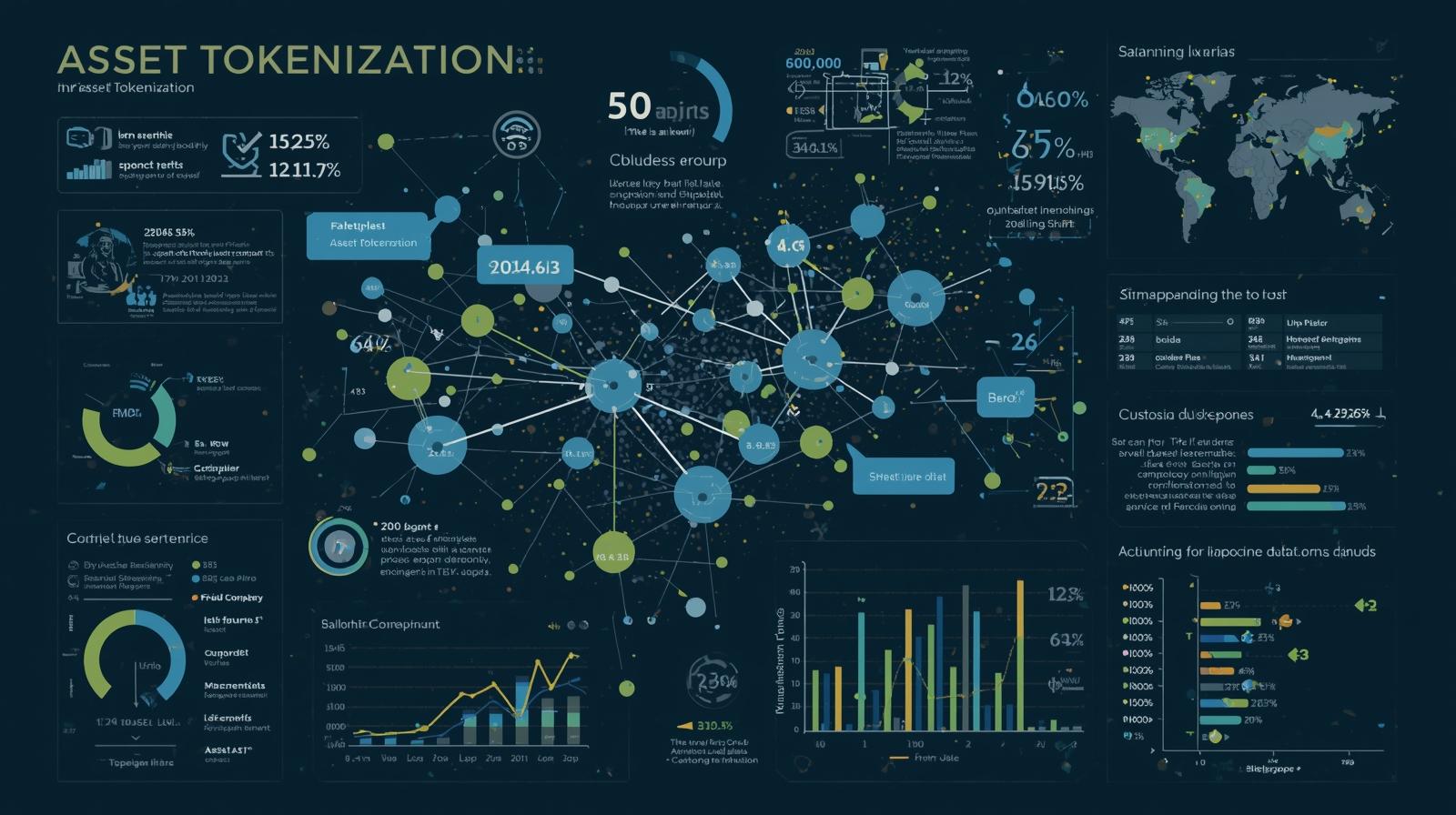
Understanding how these assets move relative to each other is crucial for portfolio construction. The chart below illustrates the correlation of metrics in asset tokenization, showing how different luxury categories interact during market shifts. This data helps investors avoid over-concentration in a single asset class.
How to tokenize a luxury asset step by step
Tokenizing a luxury asset isn't just about minting a digital file; it's about legally binding a physical object to a blockchain ledger. The process requires a bridge between traditional legal structures and decentralized technology. Below is the operational workflow for issuers looking to bring high-value items like fine watches, art, or real estate on-chain.
The first step is selecting an asset with clear ownership and verifiable value. For luxury goods, this means obtaining a professional appraisal from a recognized authority. The asset must be unique, with a provenance that can be digitally recorded. Without a solid appraisal, the token has no underlying value anchor.
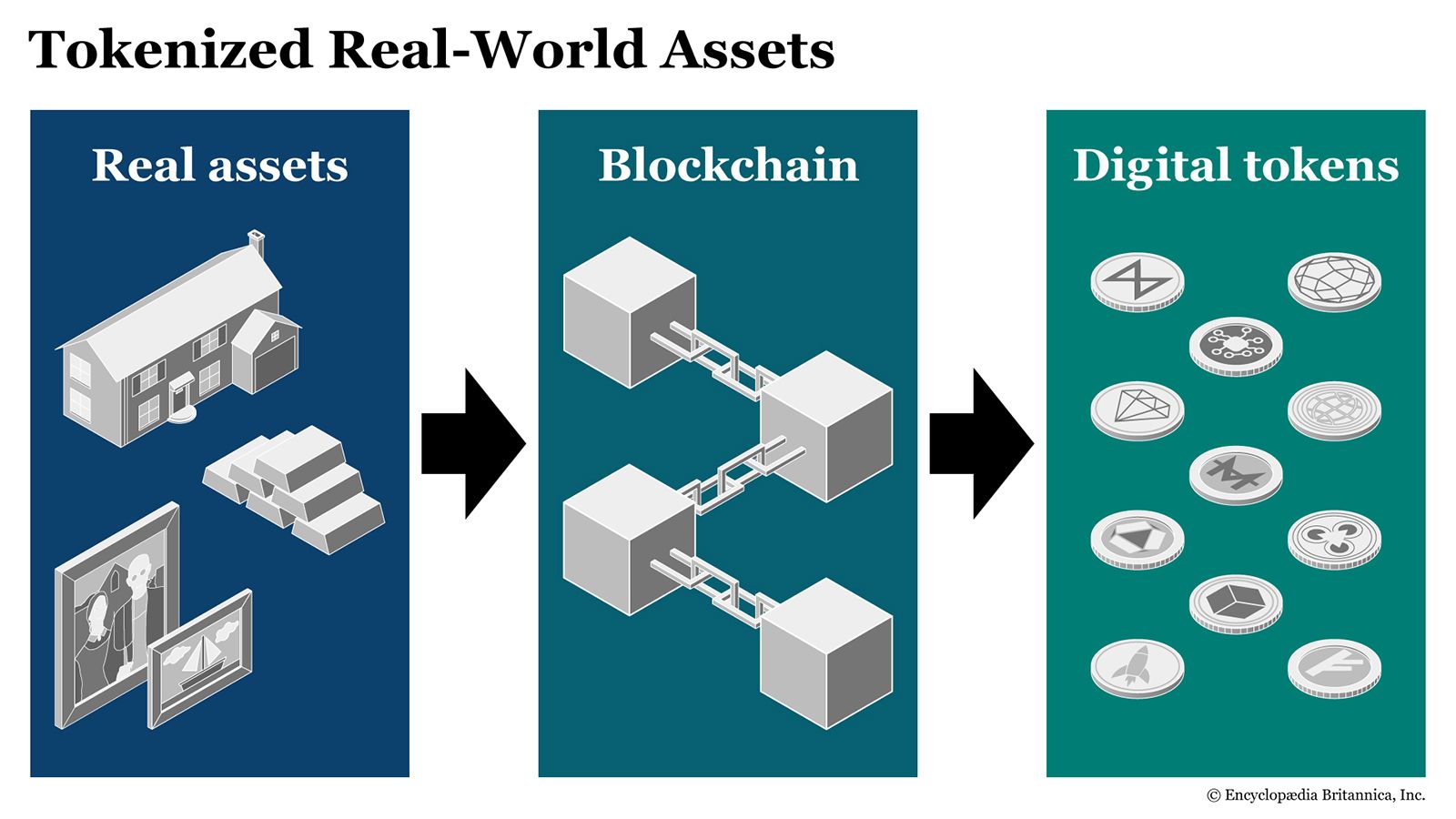
You must create a legal wrapper, such as a Special Purpose Vehicle (SPV), to hold the physical asset. This entity issues the tokens, separating the asset's ownership from the issuer's balance sheet. Simultaneously, you need a trusted custodian to store the physical item in a secure, insured vault. The legal documents must explicitly state that holding the token grants rights to the underlying asset.
Choose a blockchain that supports security and regulatory compliance, such as Ethereum or a regulated Layer 2 solution. The tokens are typically created as ERC-3643 (T-REX) or ERC-1400 standards, which enforce identity verification (KYC/AML) directly into the token's smart contract. This ensures that only verified investors can buy or sell the tokens, preventing unauthorized transfers.
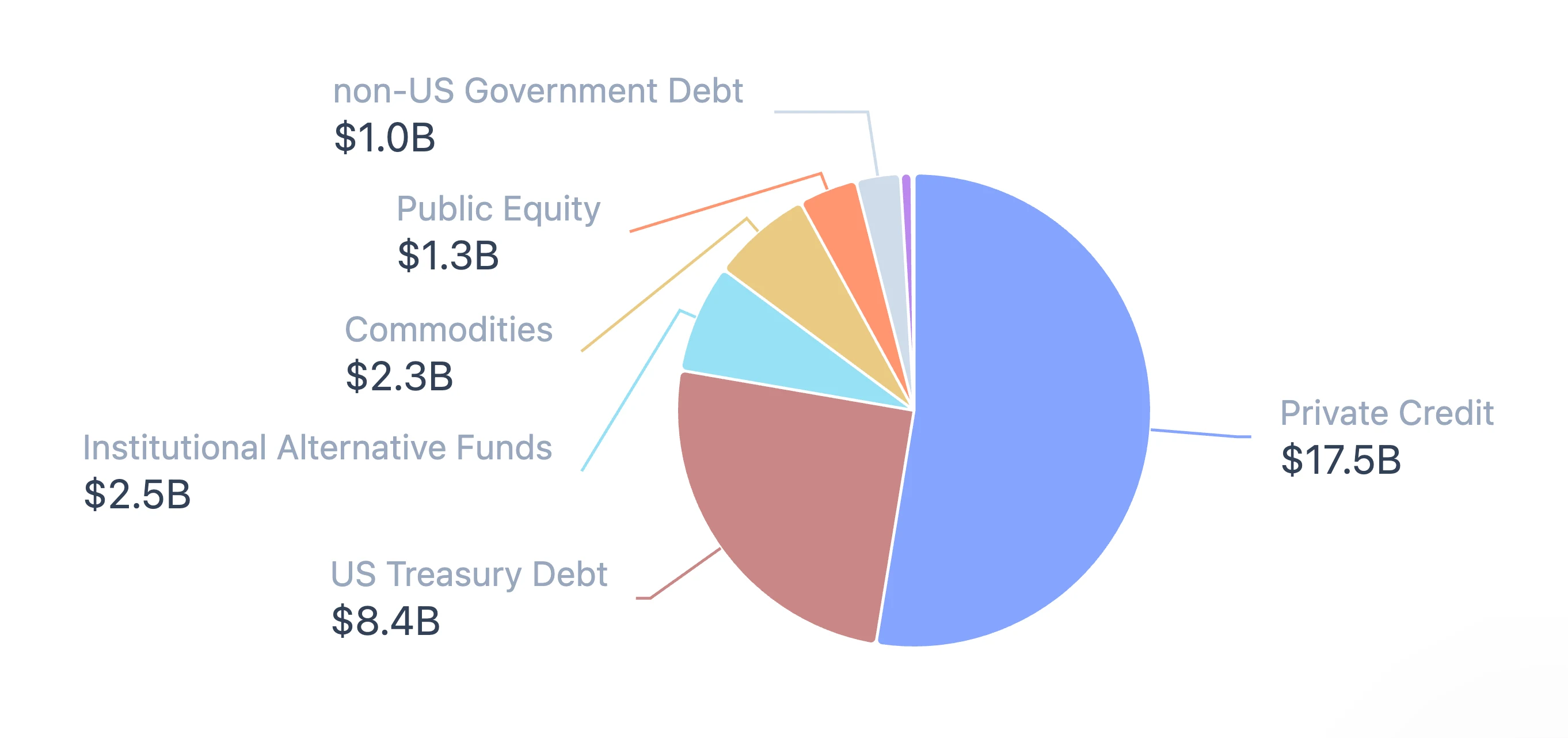
With the legal and technical infrastructure in place, the tokens are offered to investors through a Security Token Offering (STO) or a secondary trading platform. The smart contract automatically handles compliance checks during every transaction. Investors receive digital proof of ownership, which can be traded on compliant exchanges, providing liquidity to assets that were previously illiquid.
A successful tokenization project hinges on the integrity of the legal-custodial link. If the physical asset is damaged or the legal structure is flawed, the token becomes worthless. Therefore, transparency in the appraisal and custody process is non-negotiable for maintaining investor trust in the tokenized luxury market.
Risks, Valuations, and the Regulatory Tightrope
The Tokenized Luxury guide isn’t just about accessing high-end assets; it’s about navigating a market where digital claims meet physical reality. Unlike trading Bitcoin, tokenized luxury involves real-world complications that can freeze liquidity or skew valuations overnight. Understanding these friction points is essential before committing capital.
Liquidity is the first major hurdle. While blockchain promises 24/7 trading, the secondary market for tokenized luxury remains thin. You might find it easy to buy a token representing a fraction of a Patek Philippe, but selling it quickly at fair value is another story. Market depth varies wildly between popular assets like blue-chip watches and niche items like vintage cars. If you need to exit a position during a downturn, you may face significant slippage or simply no buyers.
Valuation challenges compound the risk. Traditional assets rely on periodic appraisals by human experts. Tokenized assets require continuous price discovery, but accurate, real-time data for unique items is scarce. This creates a gap between the token’s market price and the asset’s actual liquidation value. Without transparent, frequent third-party audits, the price you see on a dashboard might not reflect the true worth of the underlying item.
Regulatory uncertainty looms large across global markets. The SEC, MiCA in Europe, and various Asian regulators are still defining how to classify and tax these assets. A sudden regulatory shift could restrict trading, impose heavy compliance costs, or even invalidate certain token structures. Always check the legal jurisdiction of the issuer and the specific regulations governing the asset class you’re investing in.
Live market data and trends
The tokenized luxury market is moving beyond pilot programs into active trading. To track this shift, we monitor key benchmarks that reflect real-world demand for fractionalized assets. The following widgets show current price action and market depth for relevant tokens and asset-backed instruments.
For a deeper look at volatility and trends, the chart below displays recent performance for a representative RWA token. This data helps investors gauge liquidity and entry points in the tokenized luxury space.
Where to buy tokenized luxury assets
Finding the right marketplace depends on whether you want to buy a fractional share of a physical item or access the broader tokenized real-world asset (RWA) market. For direct access to luxury goods, platforms like RockWallet aggregate the world's most expensive tokenized items, ranging from high-end watches to rare art, allowing you to purchase fractional ownership tokens.
| Platform | Primary Focus | Asset Type |
|---|---|---|
| RockWallet | Curated Luxury | Watches, Art, Collectibles |
| OpenSea | Broad NFT Market | Digital Art, Domain Names, Gaming Items |
| Centrifuge | DeFi Integration | Invoice Finance, Real Estate, Commodities |
If your interest leans toward the broader financial mechanics of tokenization rather than specific luxury items, you can explore these assets through decentralized exchanges (DEXs) or specialized RWA platforms like Centrifuge. These platforms often tokenize underlying real-world assets such as real estate or commodities, offering a different entry point into the tokenized luxury guide ecosystem.


As an Amazon Associate, we may earn from qualifying purchases.
Frequently asked: what to check next
What is tokenization of luxury goods?
Tokenization transforms physical luxury assets—such as watches, fine art, and real estate—into digital tokens on a blockchain. This process allows investors to acquire fractional shares of high-value items, making the market accessible beyond traditional wealthy elites. For instance, a €500,000 timepiece can be divided into 10,000 tokens worth €50 each, democratizing access to exclusive asset classes.
Is tokenized luxury a safe investment?
Investing in tokenized luxury carries specific risks that differ from owning the physical item. While blockchain technology provides transparent ownership records, the value of these tokens is still tied to the secondary market for the underlying asset. Liquidity can be unpredictable, and regulatory frameworks for digital securities are still evolving. Investors should treat these tokens as speculative assets and conduct thorough due diligence on the issuing platform.
How do I verify the authenticity of a tokenized asset?
Reputable platforms partner with independent authentication experts to verify the condition and provenance of luxury goods before tokenizing them. This physical verification is linked to the digital token, often using non-fungible tokens (NFTs) to represent the certificate of authenticity. Always check if the platform provides detailed inspection reports and insurance coverage for the underlying physical asset.
No comments yet. Be the first to share your thoughts!