Market size and growth trajectory
The tokenized luxury market is moving from experimental pilots to a structural component of the broader digital asset economy. While Bitcoin and stablecoins dominate the headline numbers, the real structural shift is happening in the tokenization of real-world assets (RWAs). McKinsey analysis projects that the total tokenized market capitalization could reach approximately $2 trillion by 2030, excluding cryptocurrencies like Bitcoin and stablecoins like Tether. This figure underscores the scale of institutional interest in bringing traditional assets on-chain.
Within this broader $2 trillion projection, luxury goods represent a high-value, high-velocity niche. The global market for tokenized luxury vehicles alone is projected to reach $10 billion by 2025, according to RWA.io. This growth is driven by the need for liquidity in traditionally illiquid assets. High-end watches, fine art, and vintage cars are increasingly being fractionalized, allowing investors to trade ownership stakes with the speed and transparency of crypto markets.
This trajectory validates the sector for both brands and investors. For luxury houses, tokenization offers a new channel for customer engagement and revenue diversification. For investors, it provides access to asset classes previously reserved for ultra-high-net-worth individuals or private equity firms. The convergence of traditional luxury valuation metrics with blockchain infrastructure is creating a robust market infrastructure that is difficult to ignore.
The infrastructure behind tokenized luxury
Tokenizing high-end assets is less about the blockchain and more about bridging the physical and digital worlds. The infrastructure required to move a vintage watch or a Picasso painting onto a ledger is complex, relying on three distinct layers: authentication, fractional ownership platforms, and regulatory compliance. Without these, tokenization remains a theoretical exercise rather than a liquid market.
Authentication as the primary barrier
The single biggest hurdle for luxury tokenization is proving that the digital token actually represents the physical item. For high-value assets like art and watches, this isn't just a technical check; it's a legal and logistical necessity. NFTs serve as the digital twin, but their value is entirely dependent on the physical provenance attached to them. If the physical asset is swapped, stolen, or proven to be a forgery, the token becomes worthless. This "warranting value" is what drives purchase intention in luxury retail platforms, turning a speculative asset into a trusted store of value.
Fractional ownership platforms
Once an asset is authenticated, the next layer is the platform that manages fractional ownership. These platforms don't just mint tokens; they handle the legal wrappers, investor onboarding, and secondary market trading. They allow a $5 million painting to be split into 1,000 tokens, making it accessible to a broader investor base while maintaining liquidity. The platform must ensure that the rights associated with the tokens—such as voting on insurance or eventual sale—are clearly defined and legally enforceable in multiple jurisdictions.
Regulatory compliance and legal structures
Finally, the infrastructure must satisfy strict regulatory requirements. Luxury assets often fall under securities laws, requiring the platform to implement Know Your Customer (KYC) and Anti-Money Laundering (AML) checks. The legal structure typically involves a Special Purpose Vehicle (SPV) that holds the physical asset, with tokens representing shares in that SPV. This ensures that investors have a clear legal claim to the underlying asset, not just a speculative promise.
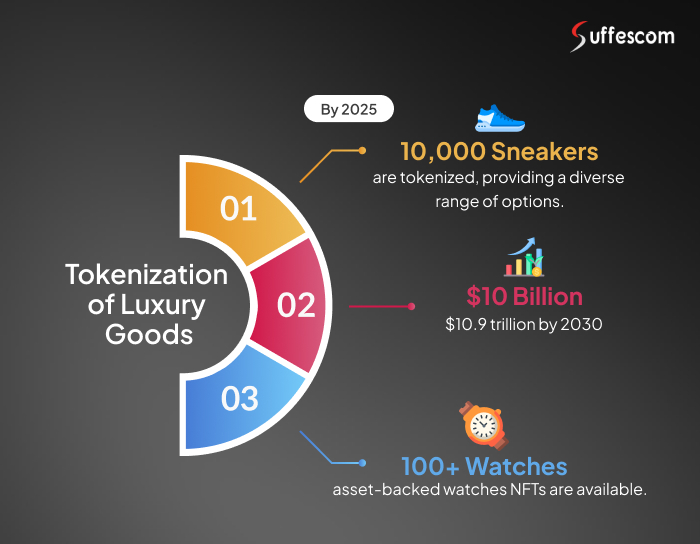
The market for these infrastructure solutions is growing rapidly. McKinsey analysis indicates that tokenized market capitalization could reach around $2 trillion by 2030, excluding cryptocurrencies like Bitcoin and stablecoins like Tether. This growth is driven by the increasing demand for liquidity in traditionally illiquid luxury markets.
Key takeaways
- Authentication via NFTs is the critical first step, ensuring the digital token matches the physical asset.
- Fractional ownership platforms manage the legal and trading infrastructure, splitting high-value assets into accessible tokens.
- Regulatory compliance, including KYC/AML and SPV structures, is non-negotiable for legal enforcement and investor protection.
- The tokenized market is projected to reach $2 trillion by 2030, driven by demand for liquidity in luxury assets.
Key asset classes going onchain
The shift toward digital ownership isn't uniform; it moves fastest where the asset is durable, high-value, and historically illiquid. Currently, three luxury categories—high-end automobiles, fine art, and rare wines—are leading this adoption. These sectors offer distinct entry points for tokenization, each with unique liquidity challenges and authentication needs.
High-End Automobiles
Luxury cars are emerging as a prime candidate for tokenization due to their tangible nature and strong secondary markets. The global market for tokenized luxury vehicles is projected to reach $10 billion by 2025, driven by the ability to fractionalize ownership of rare models like Ferraris or Porsches [src-serp-3]. This allows investors to hold shares in a physical asset without the logistical burden of storage or maintenance. Platforms like CryptoAutos are pioneering this space, linking digital tokens to the physical vehicle's title and insurance [src-serp-6]. The primary challenge remains verifying the car's condition and title history on-chain, requiring robust off-chain oracle networks.
Fine Art
Fine art tokenization addresses the sector's notorious opacity and high barrier to entry. By issuing digital tokens that represent fractional shares of a painting or sculpture, platforms enable broader participation in the art market [src-serp-4]. This model improves liquidity for assets that traditionally take years to sell. However, the value of art is inherently subjective and reliant on provenance. Tokenization efforts here must integrate strict authentication protocols and legal frameworks to ensure the token accurately reflects ownership of the physical piece. The risk of forgery or title disputes requires a higher degree of trust in the issuer compared to other asset classes.
Rare Wines
Rare wines offer a compelling blend of consumption value and investment potential. Unlike art, wine is a consumable asset with a defined shelf life, which introduces a unique expiration dynamic to tokenization. Tokenized wine funds allow investors to benefit from appreciation in rare vintages without the need for climate-controlled storage or insurance logistics. The liquidity here is often tied to auction houses and specialized wine exchanges. While the market is smaller than cars or art, the standardized nature of wine bottles (serial numbers, vintage, condition) makes them easier to verify digitally than one-of-a-kind art pieces.
To help visualize the trade-offs, the table below compares these three asset classes across key metrics relevant to tokenization.
| Asset Class | Liquidity Potential | Entry Cost | Authentication Difficulty |
|---|---|---|---|
| High-End Cars | Medium-High | $50k+ | Medium (VIN/Title) |
| Fine Art | Low-Medium | $10k+ | High (Provenance) |
| Rare Wines | Medium | $5k+ | Medium (Vintage/Condition) |
How to Structure Fractional Ownership
Tokenizing luxury assets like watches, cars, or fine art isn't just about splitting bills; it's about engineering liquidity for illiquid goods. The goal is to create a structure that keeps the physical asset safe while allowing digital shares to move freely. Think of the underlying asset as a locked vault and the tokens as keys. You want many keys floating around so prices stay fair, but only one key that opens the vault.
The Vault: Physical Custody and Insurance
Fractional ownership only works if the physical item is secure. Investors need to know exactly where their share of the asset sits. This means partnering with professional custodians who specialize in high-value goods. These partners handle storage, insurance, and maintenance. Without this layer, the token is just a promise, not a backed asset.
The Keys: Digital Distribution
Once the asset is secured, you split ownership into digital tokens. These tokens represent a percentage of the whole. This structure allows you to sell small slices to many investors rather than finding one buyer for the entire piece. It turns a $50,000 watch into 50,000 tokens priced at $1 each. This democratizes access and creates a deeper pool of potential buyers.
The Market: Liquidity Mechanisms
Liquidity is the hardest part of fractional ownership. You need a way for token holders to buy and sell shares without waiting for the whole asset to be sold. This requires a secondary market, either through a regulated exchange or a peer-to-peer platform. The more active the trading, the more attractive the investment becomes. Investors want to know they can exit their position when they need to.
Compliance: KYC and AML
Finally, you must navigate regulations. Since these tokens are often considered securities, you need strict Know Your Customer (KYC) and Anti-Money Laundering (AML) checks. This ensures that only verified investors can participate. It adds friction, but it’s necessary for legitimacy. Skipping this step risks legal trouble and destroys investor trust.
Tools and platforms to watch
The infrastructure supporting tokenized luxury assets is maturing rapidly. As McKinsey projects the tokenized market capitalization could reach $2 trillion by 2030, specialized platforms are emerging to handle the unique compliance and custody needs of high-value goods. These tools bridge the gap between traditional luxury ownership and blockchain liquidity.
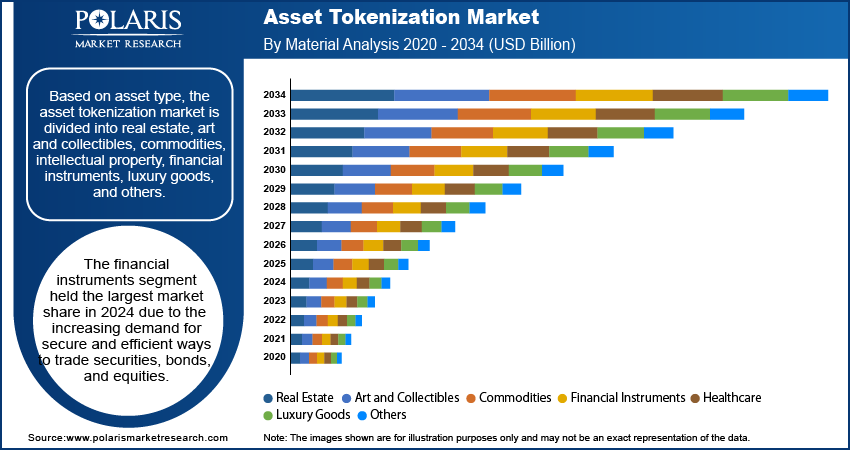
Brickken provides a foundational layer for tokenizing physical assets like fine art, wine, and classic cars. Their platform focuses on secure fractional ownership and liquidity, allowing high-net-worth individuals to manage complex asset structures on-chain without building custom infrastructure. This is particularly relevant for the fastest-growing segment in luxury: the pre-owned and resale market, where provenance and liquidity are paramount.
For specific asset classes, CryptoAutos is leading the charge in vehicle tokenization. CEO Harley Foote has highlighted how tangible luxury goods are becoming a transformative force in the RWA space. By converting physical cars into digital tokens, CryptoAutos enables fractional investment and easier transfer of ownership, addressing the illiquidity that often plagues high-end automotive investments.
Mintology offers a broader marketplace approach, converting physical luxury assets into blockchain tokens that represent verified ownership. Their platform emphasizes the intersection of luxury branding and digital scarcity, allowing brands to extend their reach into the crypto economy while maintaining control over the asset's lifecycle and secondary market royalties.

As an Amazon Associate, we may earn from qualifying purchases.
No comments yet. Be the first to share your thoughts!