Defining the tokenized luxury strategy
A tokenized luxury strategy is a structured approach to fractionalizing high-value, illiquid physical assets—such as fine art, rare wine, or classic cars—so they can be traded on blockchain networks. This method separates the concept of ownership from physical custody, allowing investors to gain exposure to tangible goods without the capital required to buy the entire asset or the logistics to store it.
The core mechanic relies on creating a digital token that represents a share of the underlying physical item. As PwC notes, tokenization allows you to digitally represent asset ownership for tangible or intangible assets on a blockchain. This digital representation can include provenance records, authenticity certificates, and ownership history, all secured on an immutable ledger. The goal is to balance scarcity with tradability, turning assets that typically sit dormant in vaults into liquid financial instruments.
Tokenized luxury strategy focuses on fractional ownership of tangible high-value assets via blockchain, balancing scarcity with tradability.
Why physical assets?
The strategy targets assets that have historically been difficult to divide. A $5 million painting cannot be easily split among ten investors in a traditional market. By tokenizing it, the asset is divided into thousands of tokens, each representing a fraction of the whole. This lowers the barrier to entry and allows for diversification across different luxury categories, reducing the risk associated with holding a single physical item.
The role of technology
Blockchain technology provides the infrastructure for this strategy. It ensures that ownership records are transparent and verifiable. Smart contracts can automate dividend payments, such as rental income from a leased classic car, or manage the distribution of proceeds when the asset is sold. This automation reduces the administrative burden and increases the efficiency of the investment.
What makes a good tokenized luxury asset?
Not all luxury goods are suitable for tokenization. The best candidates share two characteristics: high value and strong provenance. Fine art, rare wine, and classic cars fit this profile. They have established markets, clear valuation metrics, and a history of retaining or increasing in value over time. Assets that are easily replicated or lack a clear ownership history are less suitable for this strategy.
Key components of the strategy
Building a tokenized luxury strategy requires careful selection of assets and platforms. Here are the key components to consider:
Asset selection
Choose assets with a track record of value retention. Fine art from established artists, rare wines from prestigious vintages, and classic cars from iconic manufacturers are good starting points. Avoid assets that are speculative or lack a clear market history.
Platform choice
Select a platform that offers robust security, regulatory compliance, and liquidity. Look for platforms that are regulated by relevant financial authorities and have a history of successful token offerings. Check for user reviews and industry endorsements to gauge reliability.
Risk management
Diversify your holdings across different asset classes and platforms. Do not put all your capital into a single token or asset. Understand the risks associated with tokenized assets, including market volatility, regulatory changes, and platform risk. Have a clear exit strategy for your investments.
Due diligence
Verify the authenticity and provenance of the asset. Review the platform's legal documentation, security measures, and track record. Consult with financial advisors and legal experts to ensure you understand the implications of your investments.
The future of tokenized luxury
The tokenized luxury market is still in its early stages, but it has the potential to reshape the way we invest in high-value assets. As technology improves and regulatory frameworks evolve, we can expect to see more assets being tokenized and more platforms offering these services. This trend could lead to greater liquidity and accessibility for luxury assets, making them a more attractive option for a wider range of investors.
Challenges and opportunities
While the potential is significant, there are challenges to overcome. Regulatory uncertainty, technological hurdles, and market acceptance are key issues that need to be addressed. However, these challenges also present opportunities for innovation and growth. Companies that can navigate these challenges and provide secure, compliant, and user-friendly platforms are likely to succeed.
Final thoughts
A tokenized luxury strategy offers a novel way to invest in tangible assets. By leveraging blockchain technology, investors can gain exposure to high-value goods with greater liquidity and diversification. However, it is important to approach this strategy with caution and conduct thorough due diligence. As the market matures, it has the potential to become a significant part of the broader financial landscape.
Related articles
Choosing assets that actually trade
A tokenized luxury strategy only works if the underlying asset can be reliably bought and sold. You need items that balance scarcity with actual market depth. If no one is trading it, the blockchain just records a static price, which defeats the purpose of onchain liquidity.
To build a viable portfolio, focus on three criteria: provenance, durability, and liquidity. Provenance ensures the asset is authentic and legally transferable. Durability means the physical item won't degrade before you exit your position. Liquidity guarantees there are enough buyers and sellers to execute trades without massive slippage.

Not all luxury goods fit this model. Fine wine and classic cars are strong candidates because they have established auction histories and standardized grading systems. Conversely, high fashion or jewelry often struggles with authentication costs and inconsistent valuations, making them poor fits for automated onchain markets.
| Asset Class | Liquidity | Storage Cost | Volatility |
|---|---|---|---|
| Fine Wine | Medium | High | Low |
| Classic Cars | Low-Medium | High | Medium |
| Fine Art | Low | Medium | High |
Building the legal and technical backbone
A tokenized luxury strategy fails without airtight infrastructure. You are not just issuing tokens; you are digitizing high-value physical assets that require strict regulatory compliance and secure custody. The legal wrapper drives trust, while the blockchain selection dictates liquidity and cost. Without this foundation, your luxury assets remain illiquid and legally vulnerable.
Start with the Special Purpose Vehicle (SPV). The SPV holds the physical asset, separating it from your operating company. This structure ensures that token holders have a direct, enforceable claim on the underlying luxury item, whether it is art, real estate, or jewelry. Without this legal ring-fencing, the tokens are merely speculative instruments with no collateral backing.
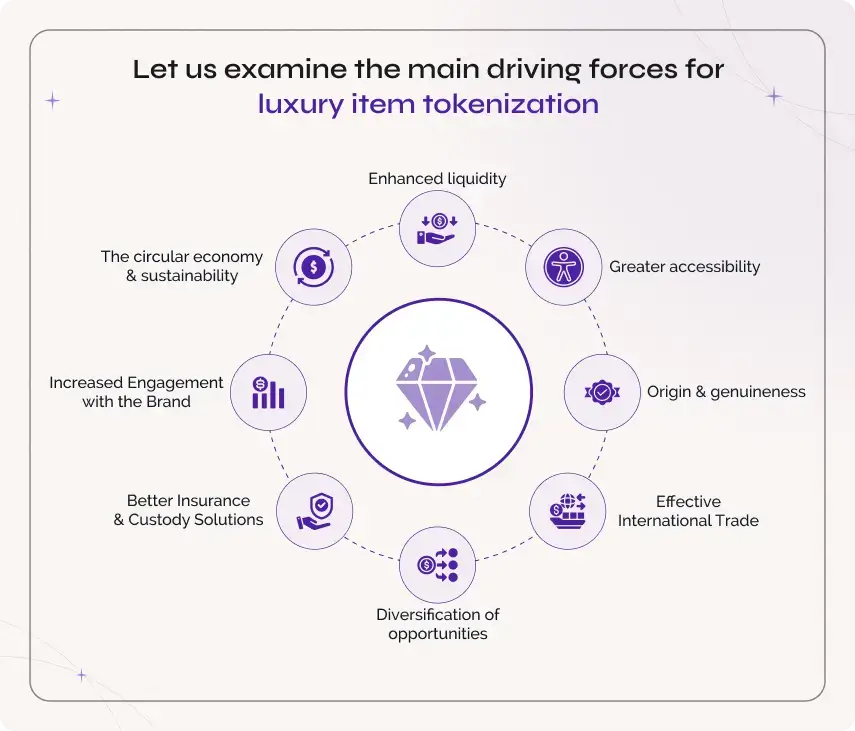
Digital tokens require digital vaults. Use institutional-grade custodians for the private keys that control the smart contracts. For the physical asset, engage specialized luxury insurers and secure storage facilities. This dual-layer custody ensures that if the blockchain network goes down, the physical asset remains safe, and if the physical asset is threatened, the digital ownership remains clear.

Choose a blockchain that supports your target liquidity and regulatory jurisdiction. Ethereum offers the deepest liquidity for high-value tokens but comes with higher gas fees. Polygon or other Layer-2 solutions provide lower costs for fractional ownership but require careful bridge security audits. Your choice must align with where your investors trade most actively.
Luxury assets attract scrutiny. Integrate automated Know Your Customer (KYC) and Anti-Money Laundering (AML) checks at the token level. This ensures that only verified investors can hold the tokens, protecting the SPV from regulatory penalties and maintaining the integrity of the tokenized luxury strategy.
Tracking and trading tokenized luxury assets
Building a tokenized luxury strategy requires more than just buying the initial token; you need the right infrastructure to monitor value and execute trades. The market for real-world assets (RWAs) is fragmented, with liquidity spread across specialized platforms rather than centralized exchanges. Relying on generic crypto trackers often leaves you blind to the specific nuances of fractional ownership, such as custody status or legal jurisdiction.
You need tools that provide live data feeds on the underlying asset class. A tokenized wine bottle or a fraction of a Ferrari behaves differently than a standard ERC-20 token. Specialized marketplaces like Brickken aggregate these assets, offering a clearer view of supply and demand for luxury RWAs. For broader market context, resources like Tokenized Luxury provide essential research on how these assets integrate into onchain portfolios.
To stay informed on price movements, you should monitor relevant indices or high-liquidity token pairs. The following chart illustrates the volatility and trading patterns typical of RWA-related assets, helping you gauge entry and exit points with greater precision.
Navigating Risks and Regulatory Hurdles
A tokenized luxury strategy offers liquidity and fractional ownership, but it operates in a regulatory gray area that demands caution. Unlike traditional real estate, where title deeds are standardized and legally settled, onchain assets rely on smart contracts that may not yet align with local property laws. This mismatch creates unique exposure points for investors who assume digital tokens carry the same legal weight as physical deeds.
Regulatory frameworks for real-world assets (RWAs) vary significantly by jurisdiction. What is compliant in Luxembourg may be restricted in New York or London. The European Union’s Markets in Crypto-Assets (MiCA) regulation provides some clarity for digital tokens, but its application to fractionalized luxury goods remains under interpretation. Always consult legal counsel before structuring tokenized luxury portfolios, as non-compliance can result in frozen assets or invalid ownership claims.
Custody risks are equally critical. If a token represents a physical asset held by a third-party custodian, you are exposed to counterparty risk. Ensure the custodian is regulated, insured, and transparent about their audit processes. Never assume that because an asset is onchain, it is automatically secure or legally enforceable. The technology is still maturing, and the legal infrastructure has not fully caught up.
To mitigate these risks, prioritize platforms that issue tokens backed by fully audited, legally binding ownership structures. Look for partnerships with established law firms and regulated custodians. The tokenized luxury strategy is promising, but it requires diligence far beyond typical crypto investing. Treat it like private equity, not a speculative trade.
Frequently asked questions about tokenized luxury
What is a tokenization strategy?
A tokenization strategy is the disciplined approach to selecting tangible or intangible assets that can be digitally represented on a blockchain. Unlike general crypto speculation, this strategy focuses on assets where blockchain technology solves specific friction points, such as liquidity or fractional ownership. As noted by PwC, adoption is accelerating as institutions integrate tokenization into day-to-day operations, moving beyond experimental pilots to functional infrastructure.
How does a tokenized luxury strategy differ from traditional investing?
Traditional luxury investing relies on physical possession, storage, and authentication, which creates high barriers to entry and exit. A tokenized luxury strategy separates ownership from physical custody, allowing investors to hold fractional shares of high-value items like watches or art. This shifts the focus from physical logistics to digital scarcity and on-chain tradability, enabling faster transactions and broader market access.
Which assets work best for tokenization?
Not all luxury goods translate well to blockchain. The most effective assets for a tokenized luxury strategy balance inherent scarcity with verifiable authenticity. High-end watches, rare art, and limited-edition collectibles are prime candidates because their value is tied to provenance, which can be immutably recorded on-chain. Assets with volatile or subjective value propositions often struggle to maintain the stability required for a robust strategy.
Helpful gear
Use these product recommendations as a starting point, then choose the size, material, and price point that fit how you actually use the gear.

As an Amazon Associate, we may earn from qualifying purchases.
No comments yet. Be the first to share your thoughts!