Tokenized luxury infrastructure
Tokenized luxury infrastructure is the operational backbone that allows high-value physical assets—such as fine watches, rare artworks, and prime real estate—to be represented as digital tokens on a blockchain. It transforms the concept of luxury from one based purely on scarcity and prestige to one centered on digital trust, transparency, and fractional access. This infrastructure is not merely a technology layer; it is a comprehensive system that bridges the physical and digital worlds, ensuring that the value of the underlying asset is accurately reflected and securely managed.
At its core, tokenized infrastructure relies on a combination of legal frameworks, blockchain protocols, and digital custody solutions. Legal frameworks establish the ownership rights and regulatory compliance for the asset, while blockchain protocols ensure the integrity and immutability of the token records. Digital custody solutions, often involving multi-signature wallets and institutional-grade security, protect the tokens from theft or loss. This triad of legal, technical, and security measures creates a reliable environment for investors to trade and hold tokenized luxury assets with confidence.
The infrastructure also encompasses the platforms and marketplaces where these tokens are bought, sold, and traded. These platforms must provide user-friendly interfaces for retail investors while meeting the rigorous security and compliance standards required by institutional players. They often integrate with traditional financial systems to facilitate fiat on-ramps and off-ramps, allowing investors to easily convert their tokens into cash or other assets. This seamless integration is crucial for the widespread adoption of tokenized luxury, as it lowers the barrier to entry and increases liquidity for assets that were previously illiquid.
As the market matures, the focus is shifting towards interoperability and standardization. Different blockchain networks and platforms are beginning to adopt common standards for tokenizing luxury assets, which will facilitate cross-chain trading and broader market access. This evolution is driven by the need for greater efficiency and reduced costs, making tokenized luxury a more attractive option for both issuers and investors. The infrastructure is becoming more robust and scalable, paving the way for a future where luxury assets are as easily tradable as any other digital security.
Tokenized luxury infrastructure choices that change the plan
Use this section to make the The Tokenized Luxury Playbook decision easier to compare in real life, not just on paper. Start with the reader's actual constraint, then separate must-have requirements from details that are merely nice to have. A practical choice should survive normal use, maintenance, timing, and budget. If a recommendation only works in an ideal situation, call that out plainly and give the reader a fallback path.
| Factor | What to check | Why it matters |
|---|---|---|
| Fit | Match the option to the primary use case. | A good deal still fails if it does not fit the job. |
| Condition | Verify age, wear, and service history. | Hidden condition issues erase upfront savings. |
| Cost | Compare purchase price with likely upkeep. | The cheapest option is not always the lowest-cost option. |
Choose the right tokenization path for your goals
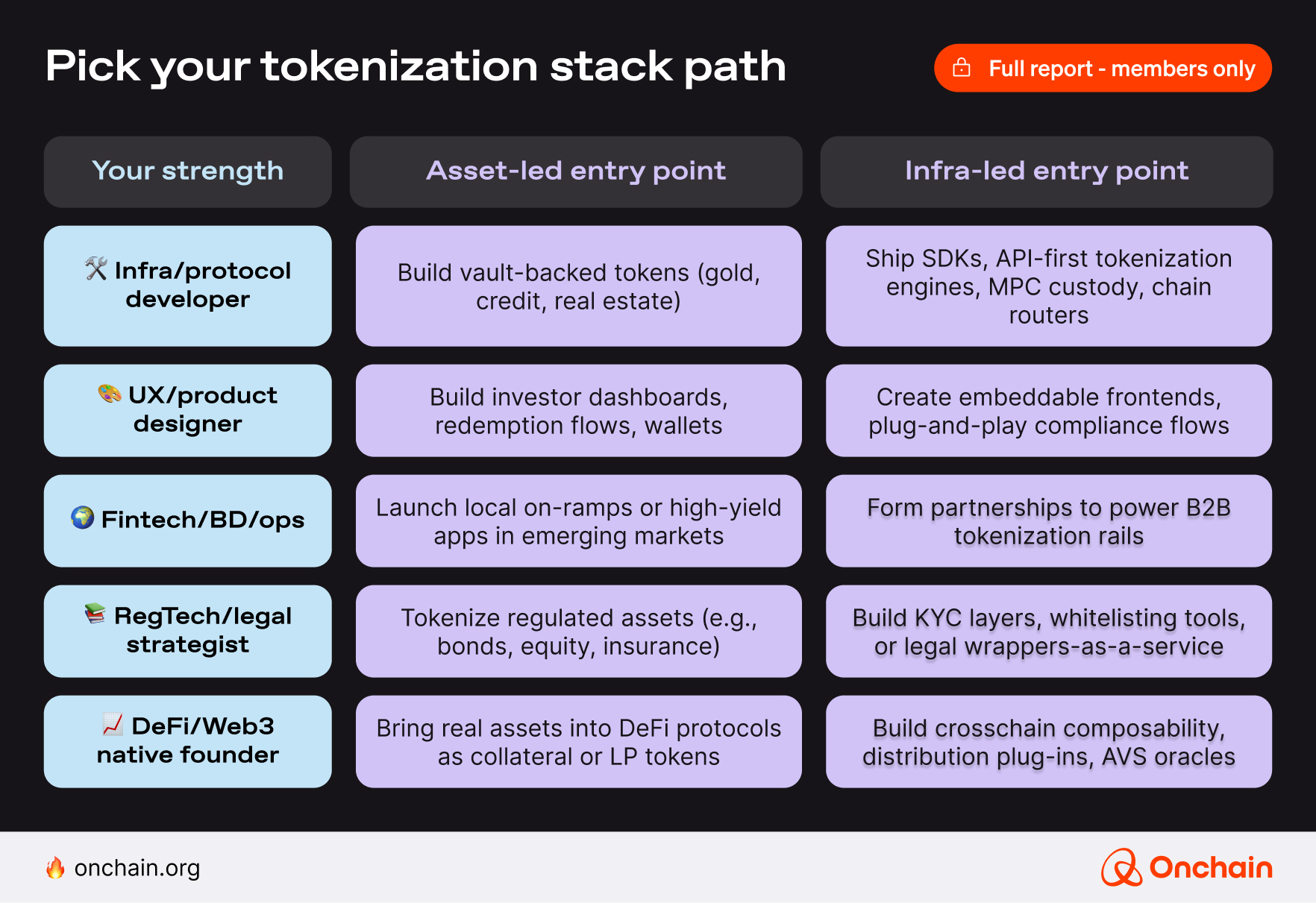
Tokenization is not a single product; it is a stack of infrastructure choices. The right path depends on whether you need liquidity, regulatory compliance, or operational control. Below is a framework to compare the main approaches.
| Approach | Best For | Tradeoff |
|---|---|---|
| Platform-issued tokens | Quick entry, retail access | Limited control, platform risk |
| Custom smart contracts | Unique assets, high value | Higher development cost, legal complexity |
| Fractional real estate | Diversification, passive income | Illiquidity, management fees |
| Luxury watch NFTs | Provenance, collectibility | Market volatility, niche liquidity |
1. Platform-issued tokens
These are tokens created on existing infrastructure like Stobox or tZERO. They offer the fastest route to market. Investors get immediate access to fractional ownership. The tradeoff is reliance on the platform’s governance and compliance framework.
2. Custom smart contracts
For high-value assets like fine art or rare collectibles, custom contracts offer precision. They allow for specific royalty structures and transfer restrictions. This approach requires legal and technical expertise but provides greater autonomy.
3. Fractional real estate
This model breaks down property ownership into digital shares. It democratizes access to premium markets like London or Miami. However, liquidity can be low, and secondary markets are still developing.
4. Luxury watch NFTs
NFTs serve as digital certificates of authenticity for watches. They combat counterfeiting and simplify resale. The market is niche and highly volatile, making it suitable for collectors rather than traditional investors.
Start by identifying the asset. Is it real estate, art, or watches? Each has different legal and technical requirements. Real estate needs heavy compliance; watches need provenance tracking.
Select a platform or build custom contracts. Platforms offer speed; custom contracts offer control. Consider the cost of deployment and ongoing maintenance.
Work with legal experts to ensure your tokens comply with local securities laws. This is critical for institutional adoption and investor trust.

Market to the right audience. Retail investors may prefer platforms; institutions may prefer custom solutions. Transparency and clear communication are key.


As an Amazon Associate, we may earn from qualifying purchases.
Spotting the Weak Links in Tokenized Luxury
The tokenized luxury market is expanding, but not all platforms offer the same level of security or liquidity. Many claims of "institutional-grade" infrastructure mask fundamental flaws in legal structuring or asset custody. Before committing capital, you need to separate robust technical frameworks from marketing hype. This section identifies the common pitfalls and weak options that can erode value.
Legal and Custodial Gaps
A primary risk lies in the disconnect between digital tokens and physical ownership. Weak platforms often lack clear legal recourse if the underlying asset is damaged, stolen, or falsely appraised. You must verify that the token represents a direct, enforceable claim on the asset, not just a share in a company that owns it. Custody solutions should be insured, audited, and segregated from the platform's operational funds. Without this, your token is only as valuable as the platform's solvency.
Liquidity and Valuation Illusions
Second-hand markets for tokenized assets are often thin. Many platforms promise high liquidity but fail to provide sufficient buy-side pressure during downturns. Valuation tools may rely on infrequent appraisals rather than real-time market data, leading to stale prices. This creates a spread between the token's price and the asset's true liquidation value. Always check the platform's history of secondary trading volume and the frequency of independent valuations.
Regulatory and Compliance Risks
Regulatory scrutiny is increasing globally. Platforms operating in gray areas may face sudden restrictions on trading or withdrawals. Ensure the platform complies with local securities laws and has a clear path to regulatory approval. Avoid platforms that offer anonymous trading or lack KYC/AML procedures, as these are often red flags for future legal action. A compliant platform provides stability, even if it adds friction to onboarding.
Decision Framework
When evaluating tokenized luxury options, prioritize legal structure over technological novelty. A simple, well-structured legal entity is safer than a complex, untested smart contract. Compare platforms based on custody insurance, valuation frequency, and regulatory standing. Avoid platforms that cannot clearly explain the legal chain of title. The goal is to own a piece of a real asset, not just a speculative digital token.
Tokenized luxury infrastructure: what to check next
Before committing capital to fractional ownership models, it helps to separate the marketing hype from the actual plumbing of the industry. The following answers address the most common practical objections and definitions readers encounter when evaluating tokenized luxury assets.
No comments yet. Be the first to share your thoughts!