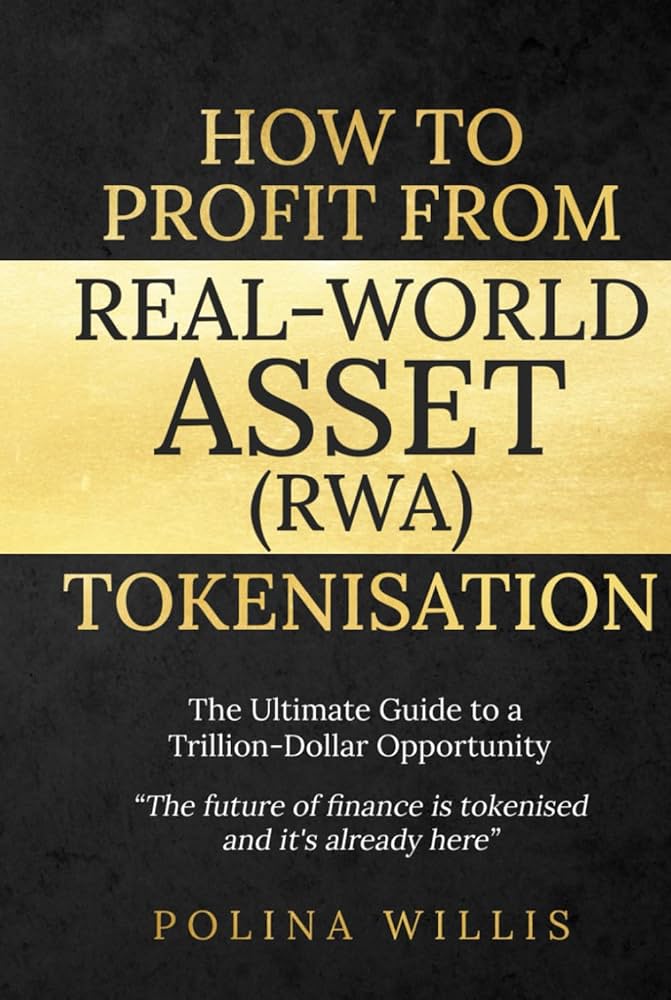
From digital collectibles to real-world infrastructure
The narrative around tokenized luxury has shifted dramatically. We are no longer looking at a speculative mania driven by profile picture NFTs or digital art. Instead, the sector is maturing into serious real-world asset (RWA) infrastructure. This transition is defined by one critical metric: liquidity. By converting illiquid physical assets into digital tokens, the market is unlocking fractional ownership for assets that were previously accessible only to the ultra-wealthy.
According to data from McKinsey, tokenization is the process of creating a digital representation of a real thing, a definition that now applies to tangible luxury goods rather than just speculative tokens. The financial implications are substantial. In 2024, the total value of tokenized assets exceeded $2.9 trillion, signaling a broad market acceptance of this technology. Within the luxury vertical specifically, the market is projected to reach $13.53 billion by 2030, growing at a significant annual rate as institutional players enter the space. This growth is not driven by hype, but by the practical utility of fractional ownership.
Understanding the market context requires looking at the broader financial instruments that facilitate these transactions. The following chart and widget provide a snapshot of the current market environment in which tokenized luxury assets operate.
This infrastructure enables investors to buy shares in a vintage Rolex, a bottle of rare wine, or a classic car without needing to store, insure, or authenticate the physical item themselves. The token acts as a provably unique certificate of ownership on the blockchain. For high-stakes finance readers, the appeal lies in the transparency and efficiency of the settlement process, which reduces the friction inherent in traditional luxury asset trading. As the tokenized luxury analysis evolves, the focus remains on how these digital tokens bridge the gap between traditional wealth management and modern digital liquidity.
Market size and growth projections
The tokenized luxury analysis reveals a sector moving from experimental pilots to institutional scale. In 2024, the total value of tokenized real-world assets (RWA) surpassed $2.9 trillion, establishing a robust financial infrastructure for digital ownership. Within this broader ecosystem, the tokenized luxury goods market is projected to reach $13.53 billion by 2030, driven by annual growth rates that outpace traditional asset classes.
This expansion is not merely speculative; it reflects a structural shift in how high-value goods are financed and traded. A 2025 Deloitte analysis predicts that tokenized luxury projects could represent nearly 20% of all tokenized inflows by 2035. This trajectory suggests that luxury assets—once static and illiquid—are becoming a primary vehicle for onchain capital deployment.
To contextualize this growth, it helps to view the broader RWA market as the foundation upon which niche sectors like luxury are built. The following chart illustrates the volatility and volume trends typical of the underlying crypto assets that facilitate these tokenized transactions, providing a lens into the liquidity environment driving these valuations.
The liquidity available in these digital markets directly impacts the premium or discount at which luxury tokens trade. As institutional players enter the space, the correlation between traditional luxury brand performance and tokenized asset prices is expected to strengthen, creating new arbitrage opportunities and risk metrics for sophisticated investors.
Comparing tokenization models and platforms
The shift from hype to onchain utility in tokenized luxury analysis hinges on selecting the right structural model. Luxury assets are not monolithic; a vintage watch requires a different onchain lifecycle than a hypercar or a bottle of Bordeaux. The primary trade-off lies in choosing between fungible tokens, which facilitate fractional ownership and high-frequency trading, and non-fungible tokens (NFTs), which preserve unique provenance and individual asset identity.
Platform architecture dictates liquidity and compliance. Some platforms act as full-stack registries, handling legal structuring and digital identity, while others provide middleware for brands to mint directly. The choice often depends on whether the goal is secondary market speculation or long-term brand engagement.
Platform and Model Comparison
The table below contrasts major approaches to tokenizing luxury assets, highlighting how different platforms handle asset types, liquidity mechanisms, and target audiences.
| Platform | Primary Asset | Token Standard | Liquidity Mechanism | Target Audience |
|---|---|---|---|---|
| Brickken | Art, Wine, Autos | Semi-Fungible (SFT) | Internal Marketplace & OTC | Institutional & High-Net-Worth |
| CryptoAutos | Luxury Vehicles | NFT (ERC-721) | Direct Peer-to-Peer | Car Enthusiasts & Collectors |
| MintGate | Fashion, Watches | NFT (ERC-721) | Brand-Controlled Drops | Brand Loyalists & Retail |
| Centrifuge | Invoice/Supply Chain | Fungible (ERC-20) | DeFi Lending Pools | Finance & Treasury Managers |
Liquidity and Compliance Trade-offs
Fungible tokens (ERC-20) offer the highest liquidity potential because they are divisible and interchangeable. This model works well for asset-backed instruments where the underlying asset is pooled, such as luxury wine funds or invoice financing. However, this approach sacrifices individual provenance. You cannot prove which specific bottle in the pool is yours without additional offchain records.
Non-fungible tokens (ERC-721) and semi-fungible tokens (SFTs) preserve the unique identity of the asset. This is critical for luxury goods where authenticity and history drive value. Platforms like Brickken use SFTs to bridge this gap, allowing fractional ownership while maintaining a link to the physical item's unique serial number or certificate. The trade-off is often lower liquidity, as secondary markets for specific NFTs are less deep than fungible token pools.
Compliance is the other major differentiator. Institutional platforms like Brickken integrate KYC/AML checks directly into the token lifecycle, ensuring that only verified investors can trade. Consumer-facing platforms like CryptoAutos often prioritize ease of access, relying more on the platform's own terms of service rather than onchain regulatory compliance. For high-stakes luxury analysis, understanding this regulatory layer is as important as understanding the token standard itself.
Market Context
The broader market for tokenized assets continues to evolve alongside traditional finance. Understanding the performance of key asset classes helps contextualize the risk and reward of luxury tokenization.
The legal architecture of tokenized luxury
Tokenized luxury analysis reveals that the primary barrier to entry isn't technology, but regulation. When you tokenize a physical asset like a watch or handbag, you aren't just creating a digital receipt; you are issuing a security or a commodity derivative that must comply with existing financial laws. This transforms a simple e-commerce transaction into a complex legal compliance layer.
The stakes are high. In the United States, the Securities and Exchange Commission (SEC) scrutinizes fractional ownership models to ensure they aren't unregistered securities offerings. Similarly, the European Union's Markets in Crypto-Assets (MiCA) regulation imposes strict transparency and custody requirements on token issuers. Ignoring these frameworks doesn't just risk fines; it renders the token legally unenforceable, stripping the "luxury" asset of its onchain utility.
Compliance also extends to the physical side. Token holders must have verifiable access to the underlying asset. This requires a chain of custody that links the digital token to a physical vault or authentication service. Without this bridge, the token is just a speculative instrument, not a representation of tangible luxury.
To understand the market context where these regulations operate, consider the volatility of the broader digital asset space. Regulatory clarity often correlates with institutional adoption, which can stabilize prices for compliant tokens.
Strategic outlook for tokenized luxury analysis
The conversation around tokenized luxury analysis is shifting from speculative hype to structural utility. While early adopters chased price volatility, the real value lies in solving legacy friction: liquidity, provenance, and fractional ownership. A 2025 Deloitte analysis predicts that tokenized luxury projects could represent nearly 20% of all tokenized inflows by 2035, signaling a move toward institutional-grade platforms rather than fleeting trends.
For investors, the strategy requires treating these assets as long-term holdings with operational utility, not day-trade commodities. Brands must prioritize compliance and physical custody infrastructure to maintain trust. Below, we track the broader market context that influences these high-stakes decisions.
Entering this space demands discipline. Before committing capital, ensure your strategy addresses these core operational realities:
- Liquidity Management: Verify secondary market depth and trading volume before assuming easy exit paths.
- Compliance Frameworks: Confirm the platform adheres to relevant securities laws and KYC/AML standards.
- Physical Custody: Ensure there is a clear, insured chain of custody for the underlying physical asset.
Helpful gear
Use these product recommendations as a starting point, then choose the size, material, and price point that fit how you actually use the gear.

As an Amazon Associate, we may earn from qualifying purchases.
No comments yet. Be the first to share your thoughts!