What is tokenized luxury?
Tokenized luxury turns high-value physical items—like fine watches, rare art, or prime real estate—into digital tokens on a blockchain. Think of it as splitting a single, expensive asset into thousands of smaller, tradable shares. This process, often called fractionalization, lowers the barrier to entry. Instead of needing hundreds of thousands of dollars to buy a rare Patek Philippe, you might only need a few hundred to own a fraction of it.
It is important to distinguish this from standard NFTs. While both live on the blockchain, standard NFTs are usually digital collectibles with no physical counterpart. Tokenized luxury is different because each token represents a legal claim on a real-world asset. When you hold the token, you hold a piece of the underlying physical item, not just a picture of it.
This structure creates a bridge between traditional finance and digital markets. Platforms like StanTax and Chainlink outline how this works: the physical asset is held in secure custody, and the blockchain records who owns which fraction. This allows for greater liquidity in markets that were previously closed to most investors, making luxury assets accessible beyond the ultra-wealthy elite.

Choose your asset class
Tokenized luxury isn't a single product; it's a menu of different risk profiles. Before you mint, decide which category aligns with your liquidity needs and storage tolerance. Art, watches, and real estate each behave differently on-chain.
| Asset | Liquidity | Entry Cost | Risk Profile |
|---|---|---|---|
| Fine Art | Low | High | Volatility-driven |
| Luxury Watches | Medium | Medium | Condition-dependent |
| Real Estate | Low | Very High | Market-cycle |
Fine art and collectibles
Art tokens track the secondary auction market. This sector offers high upside potential but suffers from illiquidity and authentication risks. You need a platform with rigorous provenance verification.
Luxury watches
Watch tokens are easier to verify than art because brands like Rolex and Patek Philippe have serial numbers. The market is liquid enough for secondary trading, but condition grading remains a subjective risk factor.
Real estate
Tokenized real estate offers the lowest entry cost per share but the lowest liquidity. You are locked into long-term holding periods or waiting for a buyback event. This suits passive investors seeking yield over quick flips.
The diamond alternative
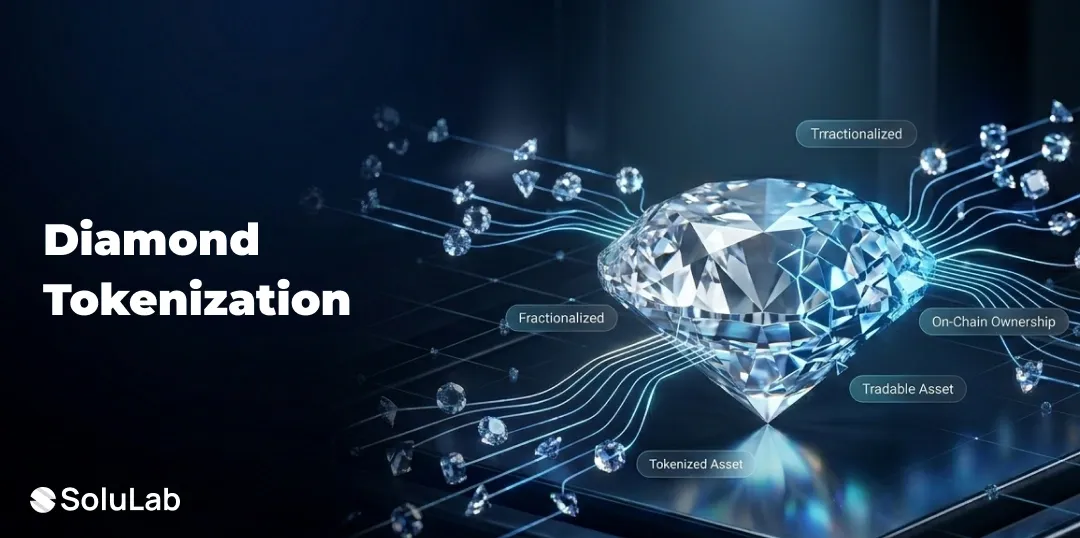
If you want something between art and real estate, consider tokenized diamonds. They offer higher liquidity than property but require specialized grading standards. This niche is growing as blockchain platforms integrate lab-grown and natural diamond verification.



As an Amazon Associate, we may earn from qualifying purchases.
Choose a compliant platform
You are entering a high-stakes financial environment where regulatory oversight is the only thing standing between your investment and total loss. Selecting a platform for fractionalizing luxury assets requires a forensic level of due diligence. You are not just buying a token; you are entrusting a third party with the physical security and legal ownership of high-value goods like art, wine, or real estate.
Start by verifying the platform’s regulatory license. Reputable providers operate under strict financial regulations, such as MiCA in Europe or SEC guidelines in the United States. Look for explicit mentions of being a Registered Investment Advisor (RIA) or holding a Money Services Business (MSB) license. If a platform cannot clearly articulate its regulatory standing, walk away. The luxury tokenization space is still emerging, and regulatory ambiguity is a major red flag for fraud or insolvency.
Next, scrutinize the custody solution. Who holds the physical asset? Leading platforms partner with specialized, insured custodians like Swiss Vault or other secure logistics firms. The digital token should represent a direct, verifiable claim on the physical item held in a bonded warehouse. Ensure the custody arrangement includes full insurance coverage against damage, theft, or loss. Without a robust, audited custody chain, your digital token is merely a promise, not a secured asset.
Finally, evaluate the secondary market structure. Liquidity is the primary benefit of tokenization, but only if a viable exit strategy exists. Check whether the platform facilitates internal trading or partners with regulated secondary marketplaces. Avoid platforms that lock you into holding the asset until an undefined "redemption event." A healthy ecosystem allows you to sell your fraction to other investors, providing the flexibility that traditional luxury markets lack.
Execute the purchase workflow
Buying fractionalized luxury tokens follows a strict linear path. You cannot skip verification or funding steps. Each action locks the next one open, ensuring regulatory compliance and asset security.
Follow this sequence to complete your purchase without errors.
Transfer fiat currency or approved cryptocurrency to your exchange wallet. Ensure the deposit covers the token price plus network fees. Most platforms require a minimum balance before allowing any transaction. Do not proceed until the funds are fully cleared and visible in your account balance.
Complete Know Your Customer (KYC) checks if you haven’t already. Upload government-issued ID and proof of address. High-value asset platforms enforce strict anti-money laundering (AML) rules. Your account will remain restricted until identity verification is approved by the compliance team.
Navigate to the marketplace and choose the specific luxury asset you want to buy. Review the token price, total supply, and underlying asset details. Confirm that the token represents the correct fraction of the physical item. Check the expiration date if the token is time-bound.
Review the final order details, including gas fees and platform commissions. Click "Buy" or "Swap" to initiate the smart contract execution. Wait for the blockchain confirmation. Once confirmed, the tokens will appear in your wallet, and you own your fractional share.
Manage Your Digital Ownership
Once you hold the tokens, your role shifts from buyer to co-owner. This isn't passive investing; it requires active participation in the asset's lifecycle. You hold voting rights on major decisions, such as insurance claims, maintenance schedules, or eventual sale terms. Treat your digital wallet like a shareholder account: log in to the platform's dashboard to review proposals and cast your vote.
Voting power typically scales with your token count. If you own 1% of the tokens, you likely hold 1% of the voting weight. Be attentive to governance deadlines, as missed votes often default to the manager's decision or are discarded. Clear communication from the issuing entity is standard, but you must stay engaged to protect your fractional stake.
Exit strategies are built into the token structure. Unlike physical assets, which can take months to sell, tokenized shares can often be traded on secondary markets or liquidity pools. Check the platform's specific rules for selling: some allow instant peer-to-peer transfers, while others require approval or have lock-up periods. Understanding these exit paths before you buy ensures you aren't locked out when you want to cash in.
Common questions about tokenized luxury
Investors often look for clear answers before entering the fractional ownership market. These questions address the mechanics, risks, and practical steps involved in tokenizing high-value assets.
No comments yet. Be the first to share your thoughts!