The tokenized luxury limits to account for
Tokenization transforms physical luxury assets—like high-end watches, fine art, or real estate—into digital tokens on a blockchain. This process allows investors to acquire fractional shares of these assets, making the market accessible beyond wealthy elites. For example, a €500,000 watch can be divided into 10,000 tokens worth €50 each, lowering the barrier to entry for high-value alternative investments.
However, this model faces significant constraints. Unlike traditional luxury goods, where ownership is absolute and physical, tokenized ownership is a legal claim dependent on complex smart contracts and custodial arrangements. The value of the token is inextricably linked to the integrity of the off-chain asset, requiring rigorous authentication and insurance mechanisms that add operational friction.
The primary challenge lies in liquidity and secondary market dynamics. While fractionalization increases accessibility, it also fragments ownership, potentially complicating decision-making and resale processes. Investors must weigh the benefit of lower entry costs against the reality of potentially illiquid secondary markets and regulatory uncertainty across jurisdictions.
Ultimately, tokenized luxury is not a replacement for traditional ownership but a parallel financial instrument. It serves best for portfolio diversification and fractional exposure, rather than personal enjoyment or status signaling, which remain the domain of physical possession.
Tradeoffs in Tokenized Luxury Assets
Tokenized luxury assets offer liquidity and fractional access, but they introduce distinct operational and legal complexities. The decision to tokenize hinges on whether the asset’s value is driven by scarcity, brand prestige, or utility. Understanding the tradeoffs between asset types, regulatory environments, and liquidity mechanisms is essential for evaluating risk.
Asset-Specific Risks and Benefits
Physical luxury goods like watches, handbags, and fine art face unique challenges. Authenticity verification requires robust off-chain oracles, and physical storage costs can erode returns. However, tokenization unlocks a global investor base for illiquid items. Real estate tokenization offers stable cash flows but is heavily regulated and less liquid than digital assets. Commodities like gold or rare spirits provide intrinsic value but require secure, insured custody solutions.
Liquidity and Market Depth
Unlike traditional luxury markets, tokenized assets can trade 24/7 on secondary markets. This liquidity is a double-edged sword: it allows quick exits but can lead to price volatility during low-volume periods. The depth of the order book depends on the token’s popularity and the platform’s user base. Investors should assess the average daily trading volume relative to the asset’s total value.
Regulatory and Custody Considerations
Regulatory clarity varies by jurisdiction. The EU’s MiCA framework provides some structure, but local laws regarding securities and property rights differ. Custody is another critical factor: who holds the physical asset? Reputable platforms use third-party custodians with insurance, but this adds fees and counterparty risk. Investors must verify the legal structure governing token ownership.
| Factor | Watches & Art | Real Estate | Gold & Spirits |
|---|---|---|---|
| Liquidity | High potential, low volume | Low, regulated sales | Medium, platform-dependent |
| Verification Cost | High (expert appraisal) | Medium (legal/title) | Low (standardized) |
| Custody Risk | High (physical storage) | Low (land registry) | Medium (vault fees) |
| Regulatory Clarity | Low, evolving | Medium, local laws | High, established |
| Primary Use Case | Speculation & status | Yield & diversification | Inflation hedge |
Decision Framework
Choose tokenized watches or art if you seek high-risk, high-reward exposure to scarcity-driven assets and can tolerate verification complexities. Opt for real estate tokenization for stable, yield-generating investments with lower volatility but longer lock-up periods. Select commodities like gold for inflation hedging with the lowest verification costs and highest regulatory clarity. Always prioritize platforms with transparent custody arrangements and legal compliance.
Choose the next step
The Tokenized Luxury Playbook works best as a clear sequence: define the constraint, compare the realistic options, test the tradeoff, and choose the path with the fewest hidden costs. That order keeps the advice usable instead of decorative. After each step, pause long enough to check whether the recommendation still fits the reader's actual situation. If it depends on perfect timing, unusual access, or a best-case budget, include a simpler fallback.
Spotting Weak Options and Misleading Claims
The tokenized luxury market is crowded with promises, but not every platform delivers on the promise of liquidity or ownership. Investors often confuse marketing jargon with actual utility, leading to misaligned expectations. Before committing capital, you need to separate the infrastructure from the hype.
The "Fractional Ownership" Trap
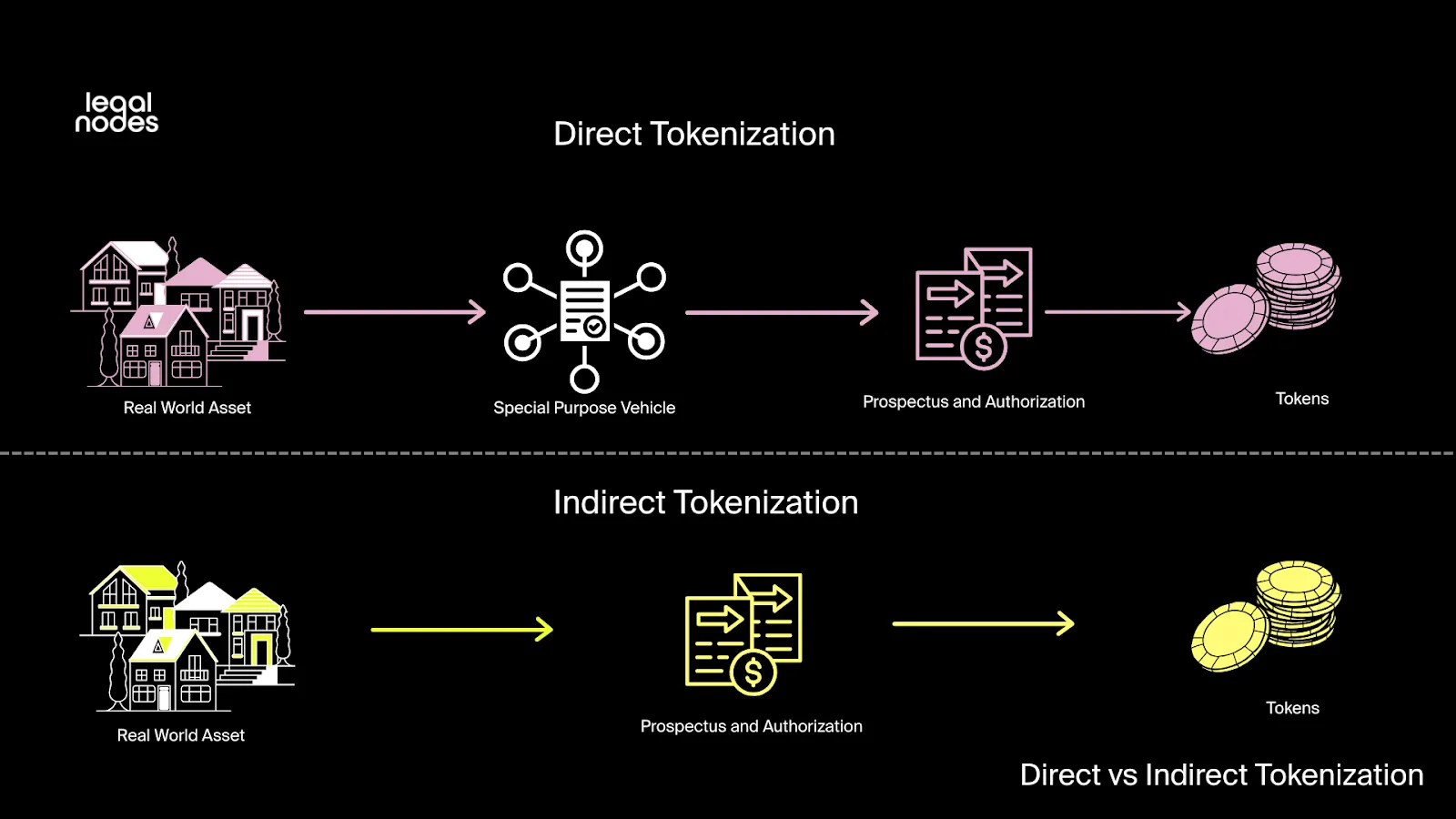
Many platforms market fractional ownership as a way to democratize access to high-value assets like watches or art. While true in theory, the reality is often more restrictive. You are not buying a share of the physical item in a legal sense; you are buying a token that represents a claim. If the underlying legal structure is opaque, your "ownership" is just a digital receipt with no enforceable rights to the physical asset. Always verify the special purpose vehicle (SPV) holding the asset. If the SPV is registered in a jurisdiction with weak property rights, your fractional share is effectively worthless.
Liquidity Illusions
Another common mistake is assuming that a tokenized asset is as liquid as a stock. Secondary markets for luxury RWAs are often thin or non-existent. A platform might show a "live" price, but if there are no buyers, that price is theoretical. Unlike public equities, you cannot sell your token at 4 PM on a Friday. Many platforms impose lock-up periods or require approval from the issuer to transfer tokens. This turns a "liquid" asset into a long-term hold, contradicting the core value proposition of tokenization.
Valuation Opacity
Luxury assets lack the transparent, real-time pricing of stocks or crypto. A token price is often based on periodic appraisals, which can be months out of date. This creates a lag between the token's price and the asset's actual market value. If the secondary market crashes, the issuer may not update the NAV for weeks. This asymmetry benefits the platform, which can buy back tokens at outdated, inflated prices, while investors are left holding devalued assets. Look for platforms that use algorithmic pricing or frequent, independent valuations to mitigate this risk.
Regulatory Ambiguity
The legal status of tokenized luxury goods varies wildly by jurisdiction. In some regions, these tokens are considered securities, requiring strict compliance. In others, they are treated as collectibles with no investor protections. A platform operating in a regulatory gray area may shut down overnight, leaving investors with unsupported tokens. Always check if the platform is registered with financial authorities in your country. If they are unregulated, you have no recourse in case of fraud or insolvency.
The Verdict
Tokenization is not a magic bullet for liquidity or ownership. It is a tool that requires careful due diligence. Focus on platforms with transparent legal structures, clear secondary market mechanisms, and robust regulatory compliance. If a platform cannot clearly explain how you can sell your token or enforce your ownership rights, walk away. The luxury market is already exclusive; tokenization should not add another layer of complexity without adding real value.
Tokenized luxury: what to check next
Investors often hesitate when physical assets meet digital ledgers. The friction usually stems from unclear definitions or regulatory ambiguity. Below are the practical answers to the most common objections regarding tokenized luxury goods.
Helpful gear
Use these product recommendations as a starting point, then choose the size, material, and price point that fit how you actually use the gear.

As an Amazon Associate, we may earn from qualifying purchases.
No comments yet. Be the first to share your thoughts!