Defining tokenized luxury infrastructure
Use this section to make the Tokenized Luxury Infrastructure decision easier to compare in real life, not just on paper. Start with the reader's actual constraint, then separate must-have requirements from details that are merely nice to have. A practical choice should survive normal use, maintenance, timing, and budget. If a recommendation only works in an ideal situation, call that out plainly and give the reader a fallback path.
The simplest way to use this section is to write down the must-have criteria first, then compare each option against those criteria before weighing nice-to-have features.
The Three Pillars of Tokenized Luxury Infrastructure
Building a functional tokenized luxury infrastructure stack requires synchronizing three distinct layers: digital standards, physical security, and legal frameworks. Without this triad, fractional ownership remains a theoretical exercise rather than a liquid market. The goal is to create a system where a digital token is indistinguishable in value and enforceability from the physical asset it represents.
On-Chain Tokenization Standards
The digital layer begins with the token standard. For luxury assets, ERC-3643 and ERC-1410 are emerging as the preferred choices over simple ERC-20 tokens. These standards embed compliance rules directly into the token’s code, ensuring that transfers only occur between verified, KYC-compliant wallets. This "programmable compliance" prevents unauthorized trading and maintains the exclusivity of the asset class.
Fractionalization is the core mechanism here. By dividing a high-value asset—like a $5 million painting or a vintage watch—into thousands of tokens, the infrastructure lowers the barrier to entry. However, the token must be cryptographically linked to the asset’s unique identifier, often via a non-fungible token (NFT) component that holds the metadata and provenance history.
Off-Chain Physical Custody and Verification
The digital token is only as valuable as the physical asset it claims to represent. This is where off-chain infrastructure takes over. Professional custodians store the physical item in high-security vaults, often in freeports like Geneva or Singapore. But storage is not enough; the asset must be continuously verified.
This verification relies on digital twins and blockchain-based provenance. High-resolution imaging, spectroscopic analysis, and tamper-evident seals are recorded on-chain. When a token is traded, the buyer receives not just a digital receipt, but a verified chain of custody that proves the physical item’s authenticity and condition. This bridges the trust gap between digital speculation and tangible value.
Regulatory Compliance Layers
The final pillar is the legal wrapper. Tokenized luxury assets are securities in many jurisdictions, meaning they must adhere to strict reporting and trading rules. The infrastructure stack includes legal entities—often Special Purpose Vehicles (SPVs)—that hold the asset and issue the tokens to investors.
Compliance is automated through the on-chain standards mentioned earlier, but the legal layer ensures that ownership rights, dividends (if applicable), and liquidation proceeds are legally enforceable. This means that if the underlying asset is sold, the proceeds are automatically distributed to token holders according to the smart contract’s logic, backed by a legal agreement that courts can recognize.
| Feature | Traditional Ownership | Tokenized Infrastructure |
|---|---|---|
| Liquidity | Low (months to sell) | High (instant 24/7 trading) |
| Access | High capital barrier | Fractional (low entry cost) |
| Transparency | Private records | Public blockchain ledger |
| Compliance | Manual legal checks | Automated on-chain rules |
The Software Behind the Sale
Tokenized luxury infrastructure relies on a stack of specialized platforms that bridge the gap between physical assets and digital ledgers. For issuers, the priority is compliance and custody; for investors, it is liquidity and access. The current market is divided between fractional ownership platforms that handle the entire lifecycle and trading venues that provide secondary market depth.
Fractional ownership platforms like Brickken focus on the issuance side, allowing brands to tokenize high-value items such as art, wine, and cars. These tools manage the legal wrappers and investor onboarding, effectively unlocking liquidity for illiquid assets. Meanwhile, broader real-world asset (RWA) platforms are expanding their inventory, making luxury goods accessible to a wider audience through blockchain technology.
Essential Tools for Issuers and Investors
The infrastructure supporting tokenized luxury markets includes three primary categories of software:
Fractional Ownership Platforms These platforms handle the tokenization of physical assets. They provide the legal framework, custody solutions, and investor portal necessary to issue security tokens. Brickken is a leading example, offering secure platforms for luxury RWA tokenization.
Secondary Trading Venues Once tokens are issued, investors need a place to trade. Specialized exchanges and DEXs (Decentralized Exchanges) are emerging to provide liquidity for tokenized assets. These venues often integrate with price widgets to provide real-time market data.
Compliance and Custody Solutions Secure storage and KYC/AML checks are non-negotiable. Institutional-grade custodians hold the physical assets or the digital keys, while compliance software ensures that only accredited or verified investors participate in the market.
Market Context
The growth of this infrastructure is tied to the broader adoption of digital assets. As the market for tokenized real-world assets expands, the tools used to manage them must become more robust and user-friendly.
Recommended Reading
For those looking to deepen their understanding of secure asset management, the following resources are highly regarded:
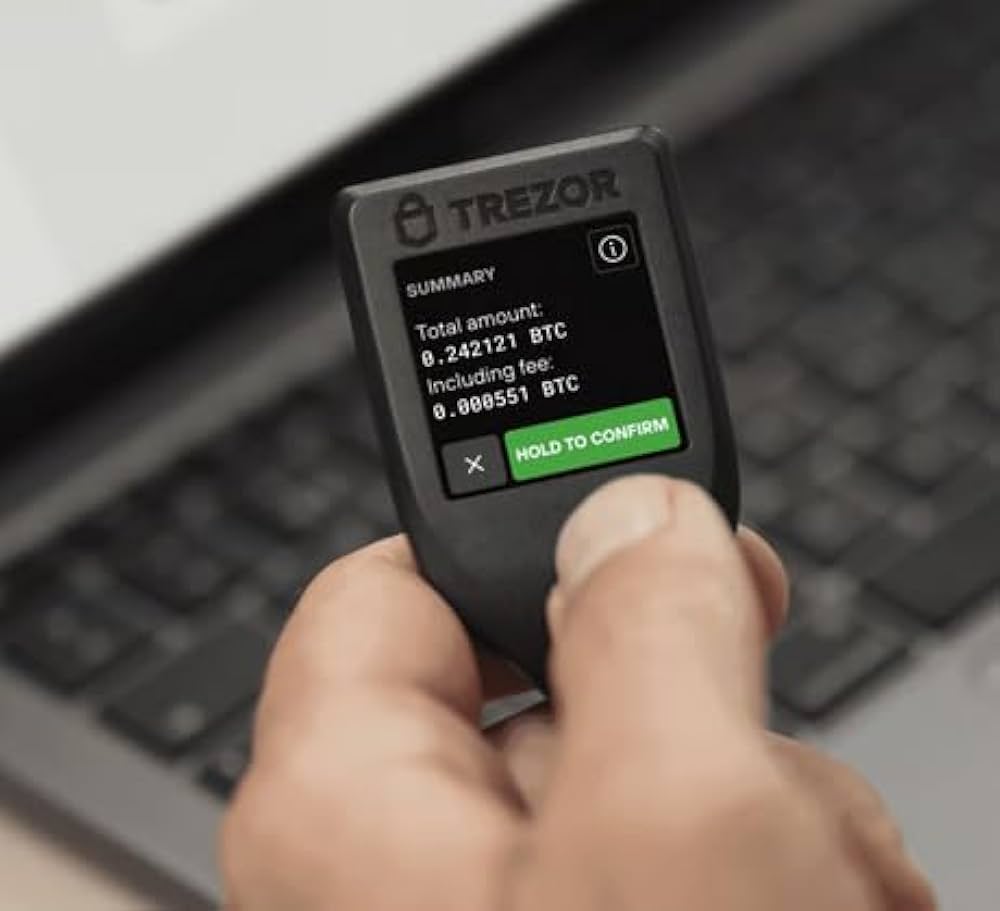

As an Amazon Associate, we may earn from qualifying purchases.
Strategic Approaches for 2026
Tokenized luxury infrastructure is shifting from speculative novelty to institutional-grade asset class. Entering this market in 2026 requires a disciplined framework that prioritizes liquidity management and rigorous asset selection. The goal is not just ownership, but structured access to high-value collateral.
1. Define the Investment Thesis
Start by aligning tokenized assets with your broader portfolio strategy. Deloitte notes that institutional investors can create custom portfolios with tokens that match their specific investment thesis, allowing for precise exposure to alternative assets. Whether seeking yield, appreciation, or diversification, clarity here dictates your entire approach. Use a
to contextualize how alternative assets correlate with traditional market movements.2. Verify Asset Authenticity and Custody
Luxury assets are vulnerable to counterfeiting and custody disputes. 2026 platforms must provide immutable proof of authenticity via blockchain and secure, insured physical custody. Look for issuers who integrate IoT sensors or digital passports that track an item’s provenance from acquisition to tokenization. Without this layer of trust, the "luxury" premium evaporates.
3. Structure for Liquidity and Compliance
Liquidity in tokenized luxury is not guaranteed. Ensure the secondary market has sufficient depth and that tokens are issued on compliant blockchains. Pre-investment due diligence is non-negotiable. Use this checklist to verify your counterparty risk:
-
Verify the issuer’s regulatory licensing in key jurisdictions.
-
Confirm the smart contract has been audited by a top-tier firm.
-
Check the secondary market’s daily trading volume and spread.
-
Ensure the custody provider is insured and audited.
4. Monitor Market Dynamics
Tokenized luxury is still emerging. Track primary issuance rates and secondary trading volumes to gauge market health. Avoid over-concentration in single asset classes (e.g., only watches or only art). Diversify across categories to mitigate idiosyncratic risk. The market rewards those who treat these assets as part of a broader, balanced portfolio rather than isolated bets.
Market trends and performance data
The tokenized luxury infrastructure market is shifting from experimental pilots to institutional-grade deployment. Deloitte notes that real estate asset tokenization now allows institutional investors to create custom portfolios with tokens that match their specific investment thesis, bridging the gap between traditional finance and digital assets Deloitte Insights. This precision is what separates serious market players from speculative hype.
"The future of luxury ownership isn't just about possession; it's about liquidity and fractional access to assets that were previously out of reach."
We are seeing a tangible increase in trading volume for major Real World Asset (RWA) tokens. The market is no longer just talking about tokenization; it is actively trading it.
To understand the volatility and potential, we look at the broader crypto market context, which often drives RWA token sentiment.
Frequently asked: what to check next
What is tokenization of luxury assets?
Tokenization converts physical luxury items—such as fine art, vintage watches, or real estate—into digital tokens on a blockchain. This process enables fractional ownership, allowing investors to buy shares of high-value assets rather than purchasing the entire item. It transforms illiquid physical goods into tradable digital securities, increasing market accessibility and liquidity for traditionally exclusive markets.
Will XRP be used to tokenize assets?
XRP serves as a critical liquidity bridge in tokenized luxury infrastructure. Its fast settlement times and low transaction costs make it suitable for moving value between different blockchain networks and traditional banking systems. Many projects use XRP to facilitate cross-border payments for tokenized assets, ensuring that trades settle quickly without the friction of legacy financial rails.
What is tokenized infrastructure?
Tokenized infrastructure refers to the underlying technological and regulatory frameworks that support the creation, trading, and management of tokenized assets. This includes blockchain networks, custodial solutions, legal compliance layers, and trading platforms. It is the backbone that allows luxury assets to be safely digitized, verified, and exchanged in a transparent manner.
Who is leading tokenization?
Leading platforms in the tokenized luxury space include Brickken, which specializes in fractional ownership of luxury RWAs like art and wine, and Stantax, which provides comprehensive guides and infrastructure for tokenizing physical assets. These companies are establishing the standards for secure, compliant tokenization, driving adoption among institutional and retail investors alike.
| Feature | Platform | Focus |
|---|---|---|
| Fractional Ownership | Brickken | Art, Wine, Cars |
| Compliance Infrastructure | Stantax | Legal & Tech Guide |
| Liquidity Bridge | XRP Ledger | Cross-Border Settlement |
No comments yet. Be the first to share your thoughts!