What tokenized luxury actually means
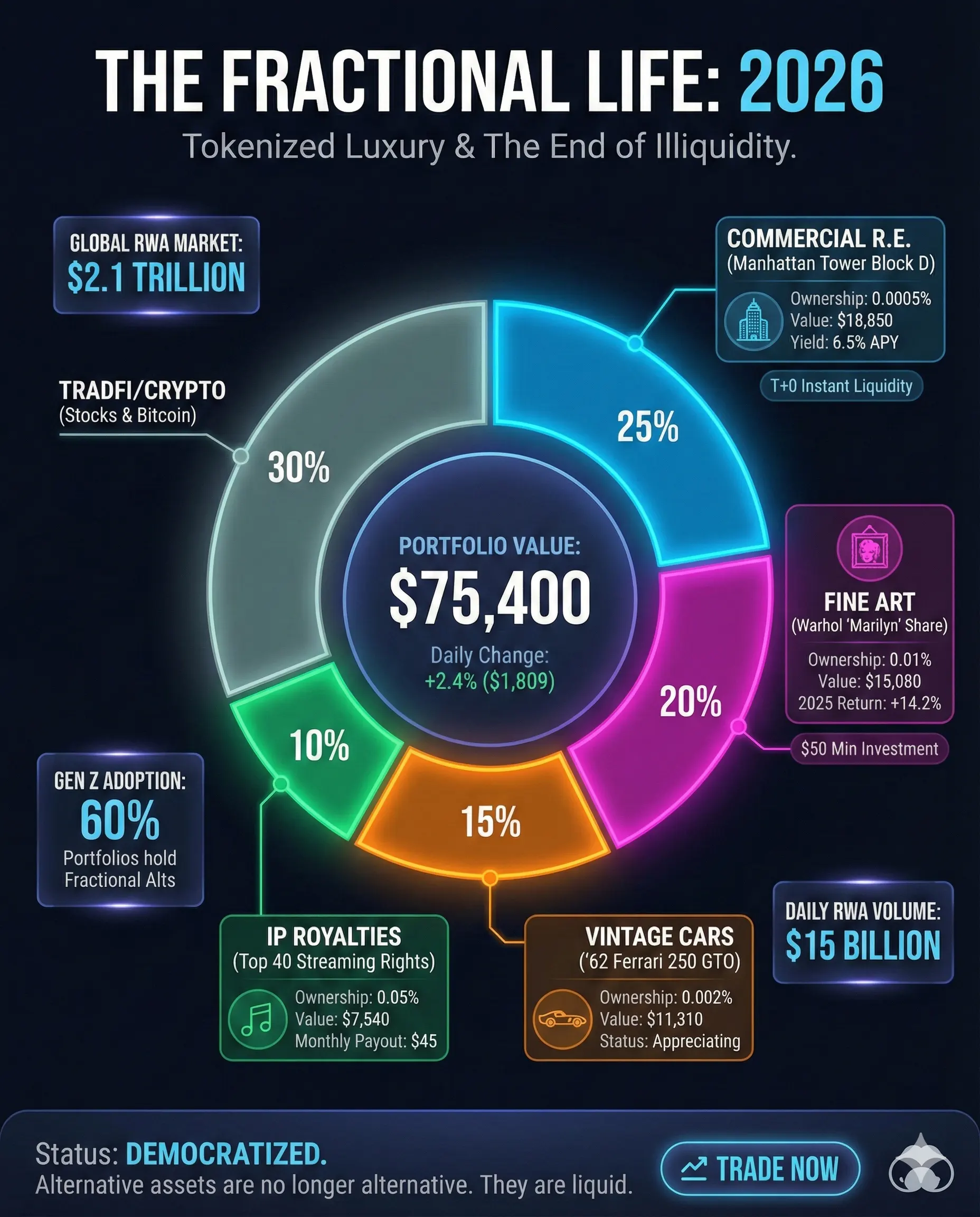
Tokenized luxury transforms physical high-value assets—such as fine watches, original artworks, and real estate—into digital tokens on a blockchain. This process is not about creating speculative digital collectibles; it is about unlocking the liquidity and fractional ownership of illiquid physical goods.
When you buy a tokenized luxury asset, you are purchasing a share of the underlying physical item. The token acts as a digital certificate of ownership, often linked to the item's provenance and authenticity records. This structure allows investors to enter markets that traditionally require six-figure capital outlays, while providing a secondary market for trading those shares.
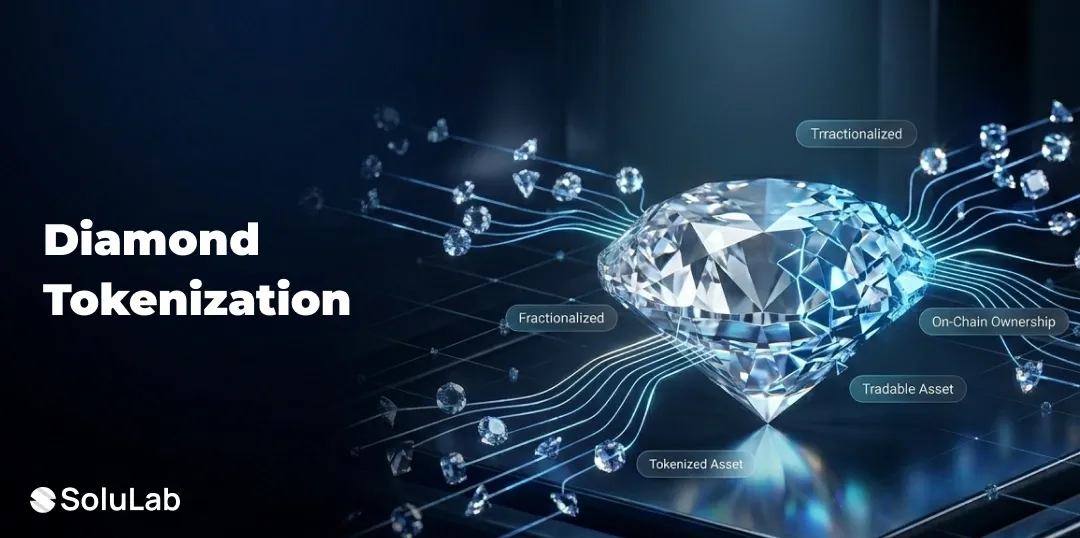
Unlike generic non-fungible tokens (NFTs) that often represent purely digital art or membership perks, tokenized luxury assets are backed by tangible value. The financial utility lies in the ability to trade these tokens 24/7 on specialized platforms, bypassing the slow, opaque processes of traditional auction houses or private sales. This creates a more transparent and accessible investment vehicle for high-net-worth individuals and retail investors alike.
Step one: Verify the asset and issuer
Before you commit capital to tokenized luxury, you must confirm two things: the physical asset actually exists, and it is held by a reputable custodian. Tokenization does not create value; it merely represents ownership of an underlying asset. If the underlying asset is fake, illiquid, or held by an unvetted third party, the tokens are worthless.
Treat this verification process like a physical inspection before buying a watch or car. You are looking for proof of authenticity and a clear chain of custody. Do not rely on the platform’s marketing materials alone. You need independent confirmation that the asset is real, insured, and stored securely.
Start by verifying the asset’s provenance. For high-value items like fine art or rare watches, look for certificates of authenticity from recognized third-party graders or auction houses. For real estate, this means checking public land records and title deeds. The issuer should provide clear documentation linking the digital token to the specific physical item. If the issuer cannot produce verifiable proof of ownership or authentication, walk away. This is the foundation of your investment.
Identify who holds the physical asset. Is it a major bank, a specialized luxury storage firm, or an unknown entity? Reputable custodians offer insurance, regular audits, and secure, climate-controlled facilities. For tokenized real estate, the asset is typically held by a Special Purpose Vehicle (SPV) that owns the title. Verify that the SPV is properly registered and that the custodian has a clean regulatory history. Ask for recent audit reports or insurance certificates. If the custodian is obscure or refuses to provide proof of security, the risk is too high.
Understand the legal relationship between you and the asset. In most cases, you do not own the asset directly; you own a share in an entity that holds it. Read the terms of service and the smart contract code if available. Look for clear clauses on redemption rights, voting powers, and what happens if the custodian goes bankrupt. Ensure the smart contract accurately reflects the legal agreement. Misalignment between the code and the legal document is a common red flag in tokenized assets.
Choose the right blockchain and platform
Your choice of infrastructure dictates both the liquidity of your asset and the legal enforceability of your ownership rights. Public blockchains offer transparency and ease of transfer, while permissioned ledgers provide the privacy and compliance frameworks often required for high-value luxury goods.
Evaluate public vs. private infrastructure
Public chains like Ethereum or Polygon allow for open trading and high visibility but come with higher gas fees and public transparency that some luxury owners prefer to avoid. Private, permissioned ledgers restrict participation to vetted investors, ensuring compliance with securities laws but limiting liquidity to a closed ecosystem.
| Feature | Public Blockchain | Private Ledger |
|---|---|---|
| Liquidity | High (open market) | Low (closed pool) |
| Compliance | Harder to enforce | Built-in KYC/AML |
| Cost | Variable gas fees | Fixed platform fees |
| Privacy | Fully transparent | Restricted access |
Select a compliant platform
Once you choose your chain, you need a platform that handles the legal wrapper. Look for providers that integrate directly with regulated custodians and offer clear transfer restrictions. Avoid platforms that promise "unrestricted trading" for tokenized real-world assets, as this often indicates a lack of proper securities compliance.
Execute the purchase and custody
Buying tokenized luxury is less like shopping and more like setting up a secure vault. The transaction itself is simple, but the custody setup is where most new investors make costly mistakes. You need a compatible crypto wallet, stablecoin liquidity, and a clear plan for who holds the keys.
Most tokenized luxury platforms run on Ethereum or Polygon. Download a non-custodial wallet like MetaMask or Rabby. Ensure your browser extension or mobile app is updated to interact with the specific blockchain network the token is issued on. This wallet will be your primary interface for signing transactions and receiving your digital assets.
Tokenized assets are typically priced and settled in stablecoins like USDC or USDT. Transfer the required amount from your exchange to your wallet address. Double-check the network compatibility—sending USDC on Ethereum to a wallet expecting it on Polygon will result in lost funds. Keep a small buffer of the native gas token (ETH or MATIC) for transaction fees.
Navigate to the platform’s marketplace and connect your wallet. Select the fractional share you wish to buy. The platform will prompt you to approve the spending of your stablecoins. This is a standard ERC-20 approval, not a transfer of ownership yet. Review the gas fees and slippage tolerance before confirming the swap or purchase.
Once the transaction clears, your tokens should appear in your wallet. Distinguish between platform-held custody (where the platform manages the asset) and self-custody (where you hold the private keys). For high-value luxury assets, self-custody via a hardware wallet is the gold standard for security, ensuring no single point of failure can seize your investment.


As an Amazon Associate, we may earn from qualifying purchases.
The distinction between platform-held and self-custodied tokens is critical. Platform-held tokens are easier to sell quickly but carry counterparty risk. Self-custodied tokens require you to manage your own security but eliminate the risk of a platform insolvency. For long-term holds in luxury assets, self-custody is generally the preferred route for serious investors.
Managing liquidity and exit strategies
Selling a tokenized asset is rarely as simple as clicking a sell button on a centralized exchange. Unlike Bitcoin or Ethereum, which trade 24/7 on deep liquidity pools, tokenized luxury assets—such as fractional real estate or fine art—operate on specialized secondary markets with thinner order books. Understanding how these markets function is critical to avoiding the "illiquidity trap," where you hold an asset you cannot sell at a fair price.
1. Check the lock-up period
Before you even list an asset, verify if it is currently in a lock-up phase. Many tokenized real estate platforms require investors to hold their tokens for a minimum period (e.g., 6–12 months) to ensure stable occupancy and avoid disruptive turnover. Attempting to sell during this window will result in a rejected transaction. Always review the specific smart contract terms or the platform’s investor handbook to confirm your eligibility to transact.
2. Identify the correct secondary market
Tokenized assets do not trade on CoinGecko or Binance. They reside on niche platforms or decentralized exchanges (DEXs) integrated with the issuing token’s standard.
- Platform-internal markets: Some issuers, like Lofty AI or Stobox, facilitate direct peer-to-peer trading within their own ecosystems. This is the most common route for fractional real estate.
- Decentralized exchanges: If the token is ERC-20 compliant and listed on a DEX like Uniswap, you can trade it there. However, beware of low liquidity, which can lead to significant slippage.
3. List the asset and monitor demand
If an internal marketplace exists, list your tokens at a competitive price. Luxury assets often suffer from "price discovery" lag, meaning the last traded price may not reflect current value. To exit efficiently:
- Set a realistic limit order based on recent comparable sales.
- Be prepared to wait. Unlike stocks, buyers for tokenized art or property are niche and may take weeks or months to appear.
- Consider selling in batches to avoid flooding the market and depressing the price.
4. Execute the transfer and receive funds
Once a buyer is found, the smart contract executes the trade. The tokens are transferred to the buyer’s wallet, and the stablecoin or fiat equivalent is sent to yours. Ensure your wallet is connected to the correct network (e.g., Polygon, Ethereum) to avoid failed transactions. Withdrawal to a bank account may take 1–3 business days depending on the platform’s custodial partner.
What to watch for
- Slippage: On thin markets, a large sell order can crash the price. Split your sales.
- Fees: Platform fees for secondary sales can range from 1% to 5%. Factor this into your exit calculation.
- Regulatory blocks: Some platforms may freeze transfers if KYC/AML compliance issues arise. Keep your identity documents updated.
KeyTakeaways items=["Verify lock-up periods before listing","Use the issuer’s internal marketplace for best liquidity","Expect longer hold times than traditional stocks"]
Common risks in tokenized luxury markets
Tokenized luxury assets offer liquidity, but they come with risks that don't exist in traditional collecting. You are not just buying a watch or a painting; you are buying a digital claim on it. This separation creates three specific areas where value can vanish or become inaccessible.
Smart contract and custody vulnerabilities
The token is only as secure as the code that manages it. Smart contract bugs can lead to irreversible losses if a platform is hacked. More subtly, custody issues arise if the physical asset is held by a third party who fails to maintain it. Unlike a bank vault, there is often no FDIC insurance or government guarantee for these assets. If the custodian goes bankrupt or the asset is damaged, recovering value is difficult.
Regulatory uncertainty
The legal framework for tokenized assets is still evolving. Regulations vary significantly by jurisdiction, and future laws could restrict trading, ownership, or redemption. A platform legal today might face compliance issues tomorrow, potentially freezing your assets. Always verify the platform's regulatory status in your specific region before investing.
Decoupling from physical value
The price of the token does not always track the physical asset perfectly. Market sentiment, liquidity crunches, or speculation can cause the token price to diverge from the underlying item's appraisal. In times of stress, the token might trade at a steep discount, making it harder to exit your position at fair value. Always check the premium or discount relative to recent comparable sales.
Frequently asked questions about tokenized luxury
Tokenized luxury assets are real-world items—like watches, artwork, or fine wine—converted into digital tokens on a blockchain. While this structure offers fractional ownership and increased liquidity, it introduces specific legal and custodial complexities that differ from traditional investing.
No comments yet. Be the first to share your thoughts!