What tokenized luxury assets actually are
Tokenized luxury assets are physical high-value items—like fine art, rare watches, or real estate—converted into digital tokens on a blockchain. This process, known as Real World Asset (RWA) tokenization, transforms ownership rights into a digital format that can be bought, sold, and held electronically. Unlike speculative NFTs that often represent purely digital collectibles, tokenized luxury is anchored in tangible value and legal backing.
The core mechanism is fractional ownership. By splitting an asset into smaller digital shares, barriers to entry are lowered. Instead of needing millions to buy a single Picasso or a commercial building, investors can purchase fractions of the asset. This structure allows for greater liquidity in markets that are traditionally illiquid and exclusive.
This approach distinguishes tokenized luxury from other crypto trends. It isn't about hype or speculation alone; it's about utility and access. The infrastructure supports regulated trading, ensuring that the digital tokens comply with financial laws while offering the benefits of blockchain technology, such as transparency and reduced settlement times.
The Infrastructure Behind Tokenized Assets
Tokenizing luxury assets isn't just about putting a JPEG on a blockchain. It requires a technical and legal stack that bridges the physical world with the digital ledger. For a Tokenized Luxury guide, understanding this infrastructure is essential because it determines whether an asset is truly fractionalized or just a speculative wrapper.
Legal Structure: The SPV
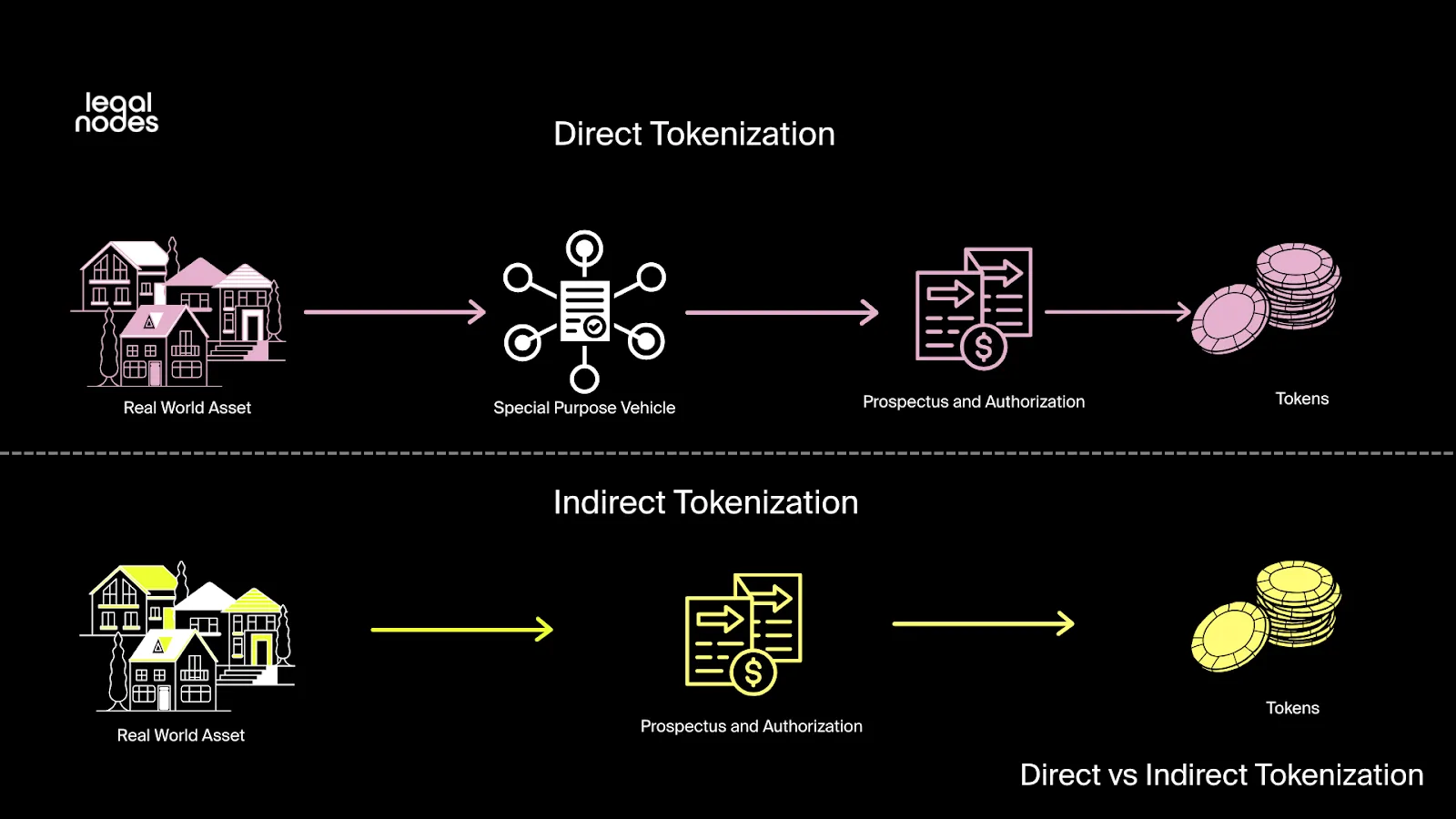
At the core of most tokenized luxury assets is a Special Purpose Vehicle (SPV). This legal entity holds the title to the physical asset—whether it's a painting, a watch, or real estate. The tokens represent shares in the SPV, not the asset directly. This structure provides legal clarity and protects investors by isolating the asset from the issuer's broader liabilities.
Smart Contracts and Oracles
Smart contracts automate the transfer of ownership and distribution of proceeds. However, they cannot independently verify the physical state of an asset. This is where oracles come in. Oracles act as data bridges, feeding external information—like authentication certificates or insurance status—into the blockchain. Without reliable oracles, the digital token loses its connection to the physical reality it claims to represent.
Custody Solutions
Secure custody is non-negotiable for luxury goods. Physical assets require professional storage facilities with insurance, while digital tokens require secure wallet solutions. Many platforms use multi-signature wallets or institutional-grade custody providers to ensure that both the physical asset and its digital representation are protected against theft or loss.
The market for these infrastructure providers is growing rapidly. As seen in the chart above, interest in RWA tokenization platforms like Ondo Finance reflects the broader demand for transparent, secure, and legally sound tokenization solutions.
Top platforms for tokenized luxury assets
Tokenized Luxury works best as a clear sequence: define the constraint, compare the realistic options, test the tradeoff, and choose the path with the fewest hidden costs. That order keeps the advice usable instead of decorative. After each step, pause long enough to check whether the recommendation still fits the reader's actual situation. If it depends on perfect timing, unusual access, or a best-case budget, include a simpler fallback.
| Factor | What to check | Why it matters |
|---|---|---|
| Fit | Match the option to the primary use case. | A good deal still fails if it does not fit the job. |
| Condition | Verify age, wear, and service history. | Hidden condition issues erase upfront savings. |
| Cost | Compare purchase price with likely upkeep. | The cheapest option is not always the lowest-cost option. |
Market risks and regulatory hurdles
Tokenized luxury operates in a high-stakes environment where liquidity constraints and regulatory uncertainty can freeze assets overnight. While the promise of fractional ownership is compelling, the reality involves navigating complex legal structures and custodial risks that differ sharply from traditional asset management.
Liquidity and Regulatory Uncertainty
The primary risk in tokenized luxury is not just market volatility, but the potential for illiquidity during regulatory scrutiny. Unlike public equities, tokenized assets often trade on private or semi-private ledgers. If a regulator like the SEC determines a token is an unregistered security, trading can halt instantly, leaving investors unable to exit positions. The European Union’s MiCA framework offers some clarity, but enforcement remains uneven across jurisdictions, creating a patchwork of compliance risks.
Custodial and Counterparty Risks
Custodial risk is another critical vulnerability. If the digital token representing the luxury asset is held by a third-party custodian, the investor is exposed to that entity’s solvency and security practices. A hack or insolvency at the custodial level can result in the total loss of the underlying asset’s digital representation. Investors must verify that the legal structure ensures the token is truly backed by the physical asset and is segregated from the issuer’s balance sheet.
Due Diligence Checklist
Before investing in tokenized luxury, conduct a rigorous due diligence review. Focus on the legal structure, custody arrangements, and liquidity terms to mitigate exposure to these high-stakes risks.
- Legal Structure: Verify the token is legally recognized as a property right or security in its jurisdiction.
- Custody: Confirm the custodian is regulated, insured, and that assets are segregated.
- Liquidity Terms: Understand the secondary market rules, including any lock-up periods or transfer restrictions.
- Regulatory Compliance: Ensure the issuer is compliant with current regulations in key markets like the US (SEC) and EU (MiCA).
How to start investing in tokenized luxury
Building a Tokenized Luxury guide portfolio begins with compliance. Before you look at assets, ensure your identity is verified. High-stakes platforms require strict KYC/AML checks to prevent money laundering. This isn't just paperwork; it's the gatekeeper to legitimate ownership.
Next, select a regulated platform. Look for providers like Securitize or tZERO that specialize in real-world assets. These platforms handle the legal wrappers and custody, ensuring the token you buy actually represents the item. Avoid unverified exchanges.
Fund your account with stablecoins or fiat currency. Most tokenized luxury assets are priced in USD or EUR equivalents. Ensure you understand the transaction fees and network costs before moving capital.
Finally, execute your first trade. Browse the available inventory—art, watches, or real estate—and purchase fractional shares. Keep your holdings in a secure, compliant wallet provided by the platform for easy liquidity when you're ready to exit.
Helpful gear
Use these product recommendations as a starting point, then choose the size, material, and price point that fit how you actually use the gear.


As an Amazon Associate, we may earn from qualifying purchases.
No comments yet. Be the first to share your thoughts!