Tokenized luxury: what it actually means
Tokenized luxury turns physical assets like watches, fine art, and real estate into digital tokens on a blockchain. This process allows fractional ownership, meaning you can buy a share of a $50,000 Patek Philippe rather than the entire piece. It bridges the gap between traditional high-net-worth investing and accessible digital finance.
The infrastructure relies on secure custodians to hold the physical item and smart contracts to manage ownership records. While platforms like Securitize and Polymath lead the market, the luxury niche requires specialized verification to authenticate the asset before tokenization. This adds a layer of complexity compared to standard financial securities.
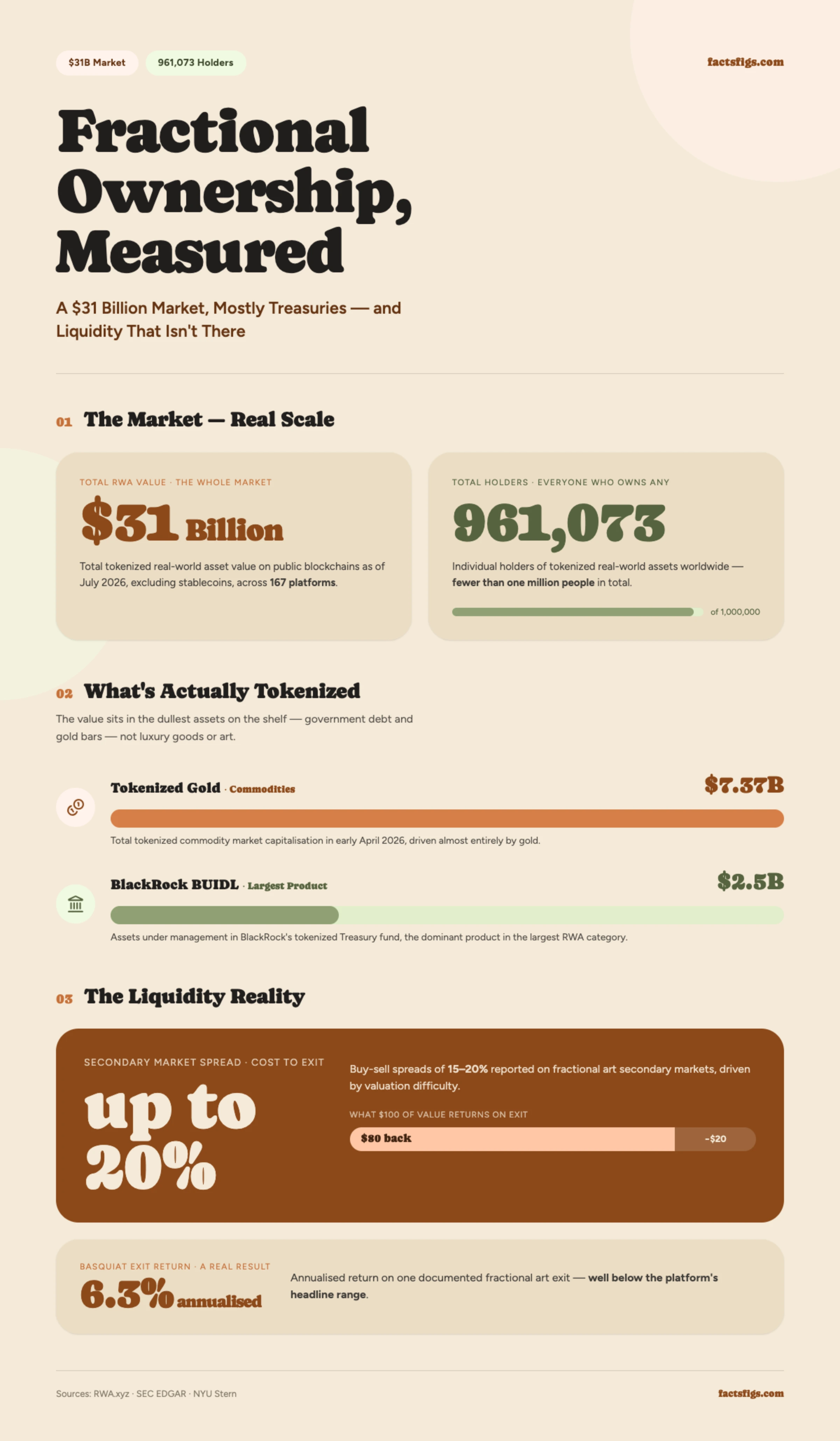
Liquidity is the main driver. Traditional luxury assets are illiquid; selling a painting takes months. Tokenized versions can trade 24/7 on secondary markets. However, regulatory hurdles and the need for physical custody remain significant tradeoffs for investors seeking quick exits.
Tokenized luxury choices that change the plan
Choosing a tokenization platform for luxury assets requires weighing liquidity against compliance. The market offers distinct approaches, each favoring specific use cases. A direct comparison helps clarify which infrastructure aligns with your goals.
| Platform | Primary Focus | Liquidity Model | Compliance Level |
|---|---|---|---|
| Securitize | Institutional RWAs | Secondary market via partners | Full KYC/AML |
| RealT | Real Estate | Fractional ownership | Regulated SPVs |
| XRPL | High-speed settlement | Deep native liquidity | Flexible rails |
| Polymath | Security tokens | Exchange listings | Built-in transfer limits |
The table above highlights the core tradeoffs. Securitize dominates institutional-grade tokenization, prioritizing regulatory safety over rapid trading. RealT offers a practical entry point for real estate, though liquidity remains tethered to property markets. The XRP Ledger provides speed and low costs, making it suitable for high-frequency luxury goods, but requires careful navigation of its specific compliance frameworks.
Selecting the right platform depends on your asset type and investor base. For high-value art or watches, institutional platforms like Securitize offer the most robust legal wrappers. For real estate, RealT’s model is proven but less liquid. If you prioritize transaction speed and lower fees, the XRP Ledger’s infrastructure is compelling, provided you can manage its unique regulatory environment.
Choose the next step
Tokenized Luxury works best as a clear sequence: define the constraint, compare the realistic options, test the tradeoff, and choose the path with the fewest hidden costs. That order keeps the advice usable instead of decorative. After each step, pause long enough to check whether the recommendation still fits the reader's actual situation. If it depends on perfect timing, unusual access, or a best-case budget, include a simpler fallback.
Spotting Weak Tokenization Claims
The luxury asset market is saturated with platforms promising instant liquidity, but most lack the legal infrastructure to back it up. Before committing capital, you must separate marketing hype from operational reality. The primary risk is not market volatility, but the disconnect between the digital token and the physical asset it represents.
The "Highest Rated" Trap
Rankings often prioritize technology over compliance. Platforms like Securitize and Polymath lead in infrastructure, but their ratings reflect technical stability, not asset safety. A high-rated platform does not guarantee that a specific luxury item is insured, authenticated, or legally segregated from the issuer's bankruptcy estate. Always verify the custodial layer separately from the tokenization layer.
XRP Ledger Limitations
The XRP Ledger is trusted for speed and low cost, but it is not a universal solution. While Ripple promotes XRPL for institutional tokenization, its ecosystem for luxury assets remains niche. It lacks the broad smart contract flexibility of Ethereum or the regulatory clarity of US-based chains. Using XRP for a high-value watch or artwork introduces counterparty risk if the specific project lacks deep liquidity.
How You Actually Make Money
Tokenization does not create value; it unlocks existing value. You cannot simply "issue tokens" and profit. Returns come from yield generation (rental income from real estate), appreciation of the underlying asset, or arbitrage. If a platform promises high returns without explaining the underlying cash flow, it is likely a Ponzi scheme disguised as innovation.
Tokenized luxury: what to check next
Who has the highest-rated tokenization platform?
Platform ratings depend on your specific need for compliance, liquidity, or asset type. Securitize leads in institutional-grade compliance and security, making it the top choice for regulated securities. For real estate, RealT offers a proven track record of fractional ownership. Polymath and Tokeny are strong alternatives for general-purpose RWA issuance with robust KYC/AML integration. There is no single "best" platform; the right choice aligns with your asset class and regulatory jurisdiction.
What is the downside of tokenization?
The primary downsides are liquidity risk and regulatory uncertainty. Unlike stocks, tokenized luxury assets may have thin secondary markets, making it hard to sell quickly without a price discount. Regulatory frameworks are still evolving, which can limit where and how you can trade tokens. Additionally, smart contract risks and custody complexities add layers of technical vulnerability that traditional ownership does not carry.
Will XRP be used to tokenize assets?
Yes, the XRP Ledger (XRPL) is actively used for asset tokenization. Financial institutions trust XRPL for its high speed, low transaction costs, and deep liquidity. It supports native tokenization features, allowing for the issuance and transfer of assets without relying on external bridges. This makes it a viable option for tokenizing luxury goods and real estate where settlement speed and cost efficiency are priorities.
How can I make money on tokenization?
You can earn returns through fractional ownership appreciation, dividend distributions, or trading. Issuers often structure tokens to represent equity or debt, allowing investors to receive yield from rental income or loan interest. You can also profit by buying undervalued tokens on secondary markets and selling them when demand rises. However, returns are not guaranteed and depend heavily on the underlying asset's performance and market liquidity.
Helpful gear
Use these product recommendations as a starting point, then choose the size, material, and price point that fit how you actually use the gear.

As an Amazon Associate, we may earn from qualifying purchases.
No comments yet. Be the first to share your thoughts!