What is tokenized luxury
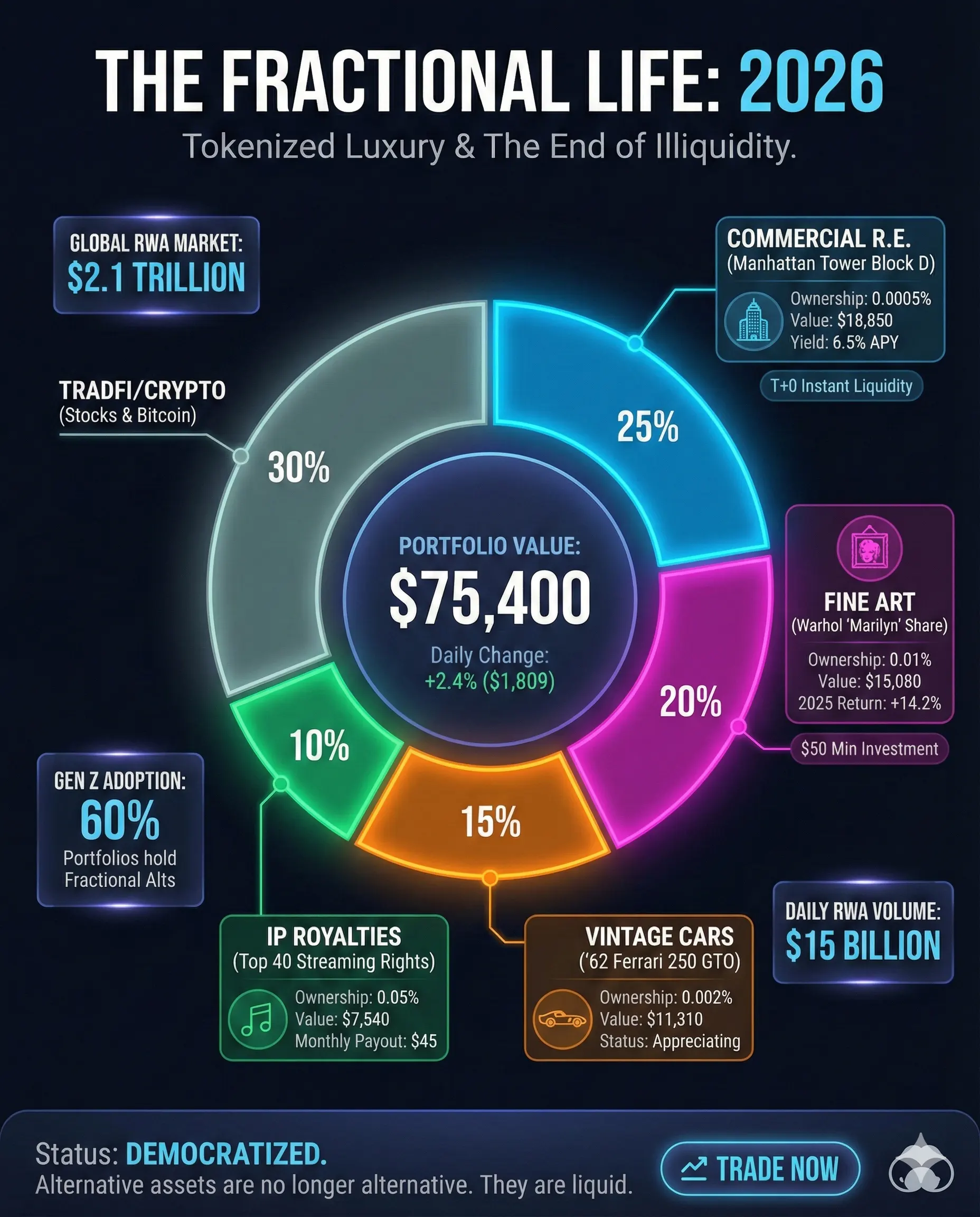
Tokenized luxury is the process of converting physical luxury assets into digital tokens on a blockchain. This technology transforms high-value items—such as fine watches, original artwork, and prime real estate—into fractional shares that investors can buy and sell online. Instead of purchasing an entire €500,000 timepiece, you can acquire a fraction of it, making the market accessible beyond ultra-high-net-worth individuals.
This model merges physical scarcity with digital liquidity. By representing ownership on a distributed ledger, tokenization enables onchain trading and fractional ownership, effectively democratizing access to assets that were previously reserved for the elite. It is not just about buying a piece of an asset; it is about creating a liquid, transparent market for things that have historically been illiquid.
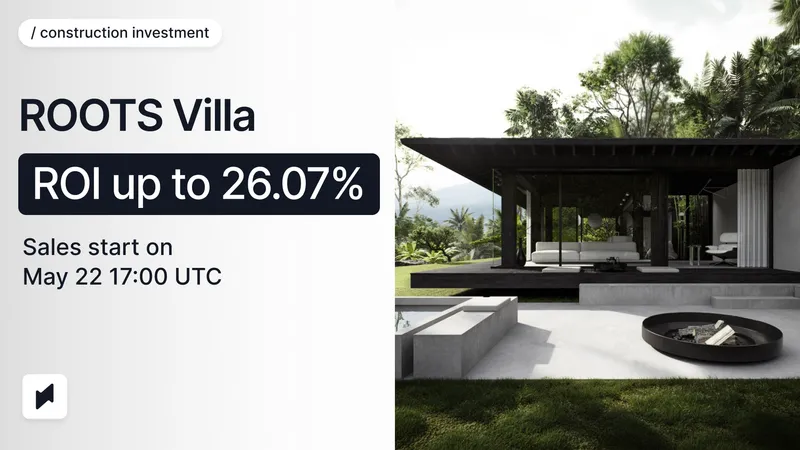
The mechanism works by issuing tokens that represent a share of the underlying asset. These tokens are stored in digital wallets and can be traded on specialized platforms. This structure reduces the barrier to entry, allowing smaller investors to diversify their portfolios with high-end goods while providing asset owners with a new way to raise capital without selling their entire collection.
Step 1: Identify and verify the asset
Before you can fractionalize a high-end asset, you must prove it exists, is genuine, and that you legally own it. This is the foundation of any Tokenized Luxury guide. Skipping verification invites fraud, which is the single biggest risk in this market.
Think of this step as the bridge between the physical world and the blockchain. If the physical item is flawed or the title is unclear, the digital token will inherit those problems. You need to lock down three things: authenticity, ownership, and condition.
Authenticate the item
Luxury goods like watches, art, and handbags are heavily counterfeited. You need a third-party authentication from a recognized expert or agency. For watches, this might be a brand-certified service. For art, it’s a provenance report from a reputable gallery or auction house.
This report becomes part of the asset’s digital identity. It’s not just a piece of paper; it’s the primary evidence that the token represents a real, valuable object. Without this, the token is just a speculative bet on nothing.
Verify ownership and title
You must confirm that the current holder has the legal right to sell or tokenize the asset. For real estate, this means a clean title search. For high-value collectibles, it means a clear chain of custody and bill of sale.
Any liens, encumbrances, or disputed ownership claims must be resolved before tokenization begins. If the ownership history is murky, investors will walk away. Clarity here builds trust in the entire fractionalization process.
Document condition and provenance
Take high-resolution photos and videos of the asset from every angle. Note any scratches, repairs, or unique features. For art, this includes exhibition history and previous owners. This documentation creates a "digital twin" that matches the physical item.
This record is crucial for future resale. When an investor wants to sell their token, the next buyer will rely on this same documentation to assess value. Consistent, detailed records protect everyone involved.
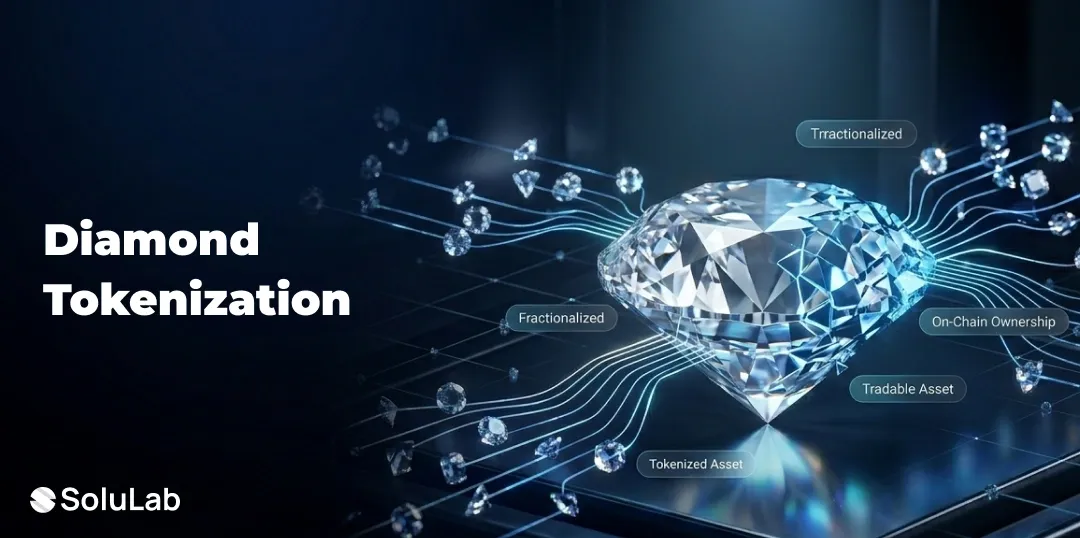
Examine the asset in person or via live video. Check for signs of wear, damage, or forgery. This is your first line of defense against counterfeit goods.
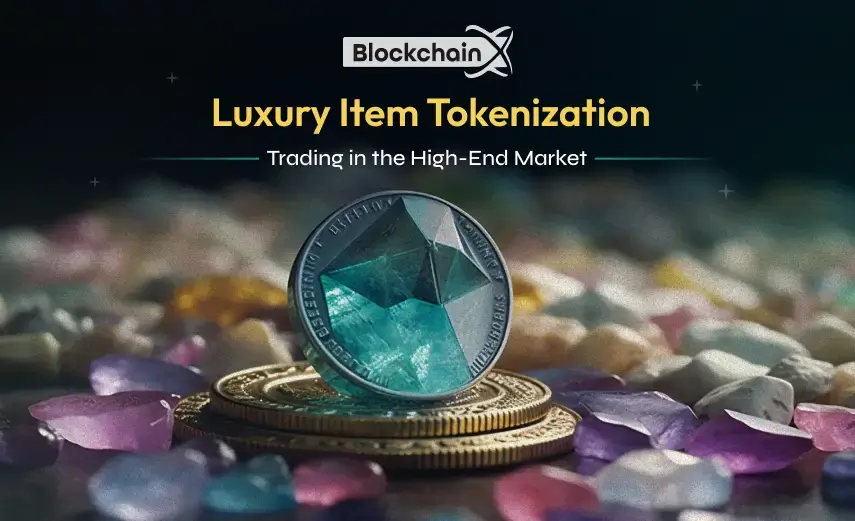
Obtain a certificate of authenticity from a recognized expert. This document is non-negotiable for high-value items like watches, art, and rare collectibles.
Create a comprehensive digital dossier. Include high-res images, condition reports, and ownership history. This data will be linked to the token on the blockchain.
Step 2: Set up legal and custody frameworks
Before you mint a single token, you must establish the legal and custodial infrastructure that protects both the asset and the investor. Tokenized luxury is not just a tech upgrade; it is a regulated financial instrument. Skipping this phase exposes you to severe regulatory penalties and operational failure.
You need a legal entity, typically a Special Purpose Vehicle (SPV), to hold the underlying asset. This structure isolates the asset from the issuer’s balance sheet, ensuring that if the company fails, the asset remains secure for token holders. The SPV acts as the legal owner, while the tokens represent fractional ownership rights. Choose a jurisdiction with clear digital asset laws, such as Switzerland or Liechtenstein, to ensure enforceability.
Luxury assets are high-value targets for money laundering, making strict compliance non-negotiable. You must implement Know Your Customer (KYC) and Anti-Money Laundering (AML) protocols for every investor. This involves verifying identity documents, source of funds, and screening against sanctions lists. Non-compliance can lead to the freezing of assets and heavy fines from financial authorities.
The physical asset must be stored in a high-security vault, often located in a freeport. You need a professional custodian who provides regular audits and comprehensive insurance coverage against theft, damage, or loss. The insurance policy should explicitly cover the digital tokenization context, ensuring that the legal ownership tied to the tokens is fully protected.
A pre-tokenization compliance checklist is essential to ensure no step is missed.
-
Define SPV jurisdiction and legal structure
-
Select a regulated custodian for physical storage
-
Implement automated KYC/AML verification
-
Secure comprehensive insurance coverage
This framework ensures that your tokenized luxury asset is not only tradable but legally robust and secure.
Step 3: Choose the right infrastructure
The blockchain you select dictates how your luxury asset behaves in the market. For tokenized luxury goods, standard cryptocurrencies are insufficient. You need infrastructure built for security tokens, where compliance is hard-coded into the code itself.
The two dominant standards for regulated assets are ERC-3643 and ERC-1400. Both were designed to solve the "compliance problem" by embedding investor status directly into the token's logic.
ERC-3643: The Global Standard
ERC-3643 (formerly T-REX) is currently the most widely adopted standard for security tokens. Developed by Polymath, it treats compliance as a fundamental property of the token. If an investor fails a KYC (Know Your Customer) check, the smart contract automatically prevents them from receiving or holding the token.
This "permissioned" nature is critical for luxury assets. It ensures that only accredited or verified investors can participate, protecting you from regulatory scrutiny. It works across multiple blockchains, offering flexibility.
ERC-1400: The Modular Approach
ERC-1400 is an older standard that separates the token into two parts: the asset itself and the compliance logic. This modular design allows developers to swap out compliance rules without changing the underlying token. While powerful, it is less common in new luxury asset launches compared to ERC-3643.
Platform Comparison
Choosing the right infrastructure involves comparing these standards against their typical platform implementations.
| Standard | Compliance Model | Liquidity Focus | Transaction Cost |
|---|---|---|---|
| ERC-3643 | Embedded in token logic | Cross-chain secondary markets | Moderate (Multi-chain) |
| ERC-1400 | Separate compliance module | Single-chain exchanges | Low to Moderate |
| ERC-1410 | Flexible compliance flags | Private placements | Variable |
Recommended Tools
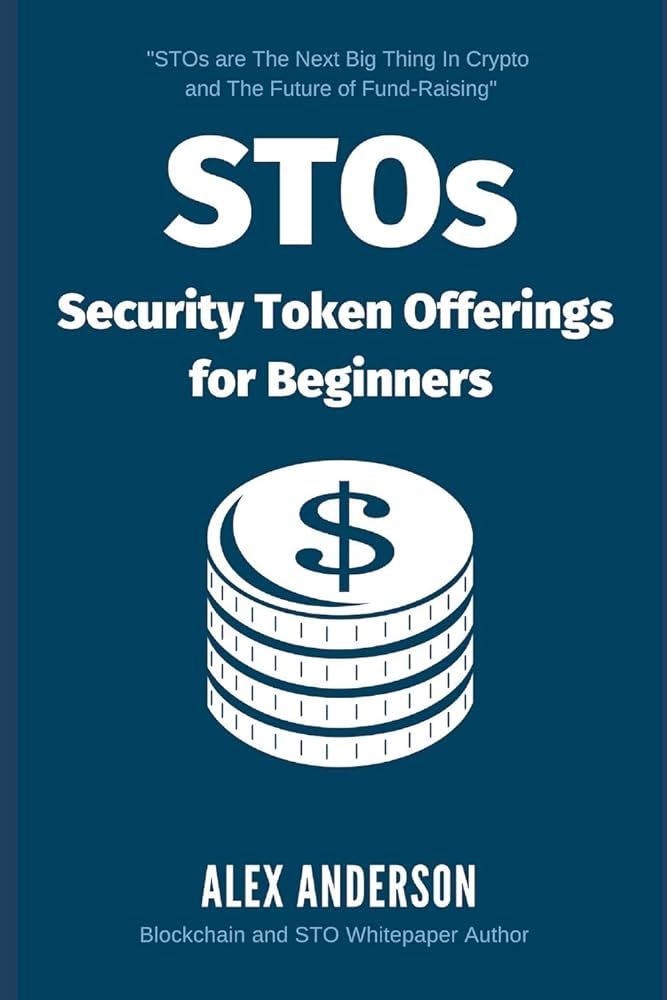
To build or manage these tokens, you will need specific development and compliance tools. The following resources are commonly used by teams launching tokenized luxury assets.


As an Amazon Associate, we may earn from qualifying purchases.
Selecting the correct infrastructure is not just a technical decision; it is a legal one. ERC-3643 is generally the safer bet for new luxury asset launches due to its widespread adoption and robust compliance features.
Fractionalize and list tokens
Once the asset is verified and the legal wrapper is in place, the final technical phase involves minting the tokens and distributing them. This process transforms the physical luxury item into a liquid, tradeable digital asset. For a Tokenized Luxury guide, understanding this step is critical because it bridges the gap between ownership and market accessibility.
The smart contract mints a specific number of ERC-3643 or ERC-1400 compliant tokens, representing fractional ownership. Each token is backed by the legal entity holding the physical asset. This step is immutable; once minted, the total supply is fixed, ensuring that no more shares can be created than what was originally authorized by the asset's valuation.
Tokens are allocated to investors' wallets via a private sale or public offering. Compliance checks are automated at this stage; if a wallet lacks the necessary KYC/AML verification, the transfer is rejected by the smart contract. This ensures that only accredited or qualified investors hold the tokens, maintaining regulatory adherence across the board.
To provide liquidity, tokens are listed on regulated secondary marketplaces or decentralized exchanges (DEXs) that support compliant assets. Investors can now buy and sell shares without waiting for the asset to be sold entirely. This transforms illiquid luxury goods into tradable instruments, allowing for price discovery and easier entry or exit for holders.
The liquidity provided by these secondary markets is what distinguishes modern tokenization from traditional fractional ownership. Without a trading venue, the tokens are merely digital receipts. With them, they become active financial instruments.
Common questions about tokenized luxury
Tokenized luxury turns high-end physical items into digital shares on a blockchain. This process allows investors to buy fractional ownership of assets like watches, art, or real estate. Below are answers to the most frequent questions about how this works and what it involves.
No comments yet. Be the first to share your thoughts!