What is tokenization of luxury goods?
Tokenization transforms physical luxury assets—such as high-end watches, fine art, and real estate—into digital tokens on a blockchain. This process allows investors to acquire fractional shares of these assets, making the market accessible beyond wealthy elites. Instead of buying a single painting or a vintage Rolex, you can own a small percentage of the asset's value, represented by a token that proves ownership and tracks the asset's history.
However, this model introduces significant constraints that high-net-worth individuals must weigh carefully. The primary downside of tokenization is the tension between digital liquidity and physical control. When you own a token, you do not physically hold the asset. This creates a dependency on the issuer or custodian to maintain the item in pristine condition and ensure its authenticity. If the custodian fails or the legal framework is unclear, your digital token may become worthless, regardless of the underlying asset's value.
The market is currently fragmented, with no single company universally leading in all categories. Established players like Stantax and various blockchain startups are pioneering different approaches to legal structuring, custodial services, and secondary market trading. The choice of platform often depends on the specific asset class; some specialize in art, while others focus on collectibles or real estate. Investors must evaluate the legal jurisdiction, the transparency of the custodial chain, and the liquidity of the secondary market before participating.
For those considering this strategy, the key is to view tokenization not just as an investment vehicle, but as a complex legal and logistical arrangement. It offers liquidity and accessibility, but at the cost of physical possession and increased reliance on third-party integrity. Due diligence on the issuer's legal structure is as important as evaluating the asset itself.
Tokenized luxury choices that change the plan
Before allocating capital to tokenized luxury assets, you must weigh the friction of entry against the liquidity premium. Unlike traditional private markets, blockchain-based ownership offers speed, but it introduces new vectors of risk that do not exist in physical custody.
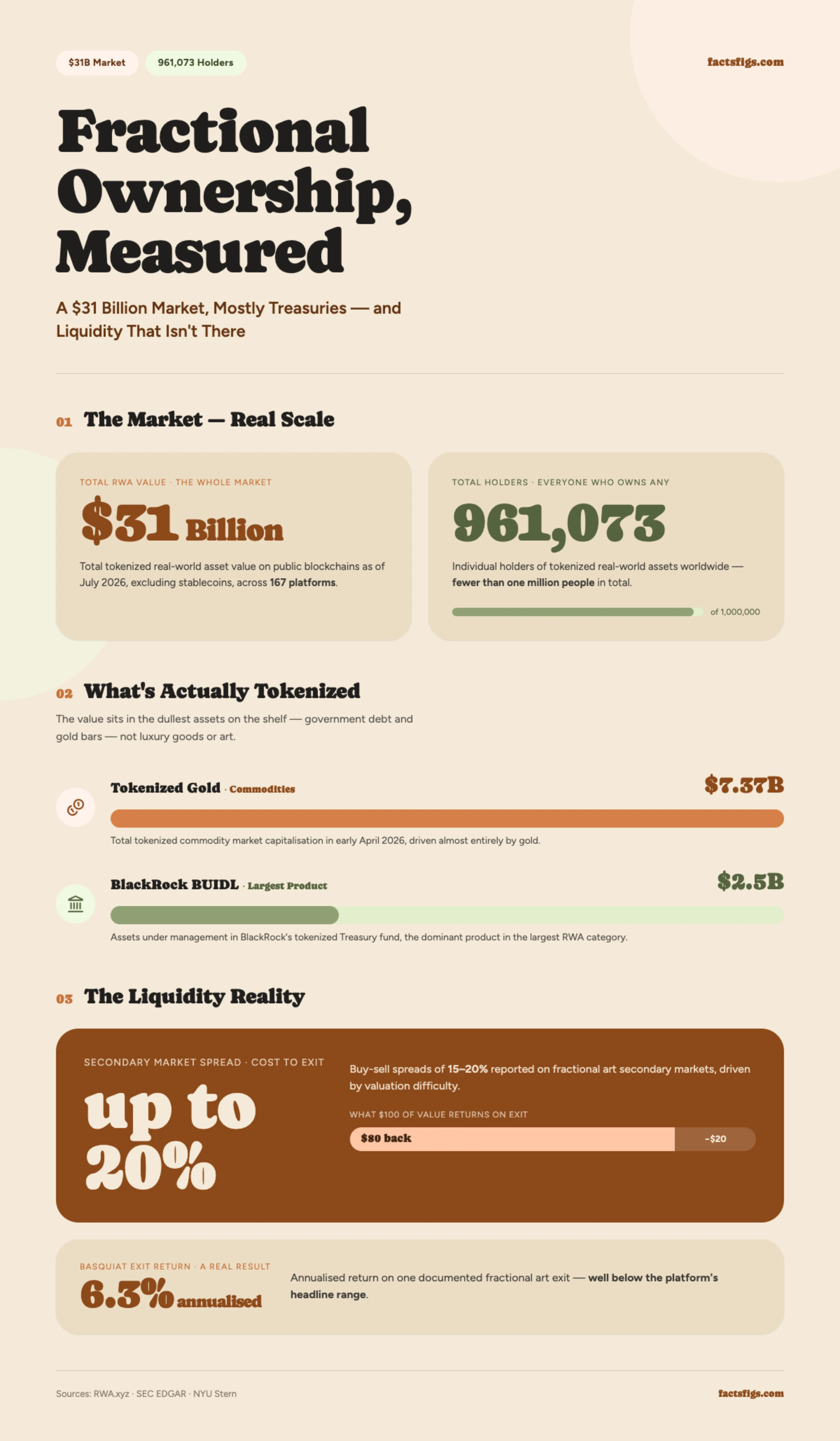
The primary tension lies between the theoretical liquidity of tokens and the practical reality of secondary markets. While a token can be traded 24/7, the buyer pool for specific high-value assets—such as a Patek Philippe Nautilus or a mid-century painting—remains niche. You may find it difficult to exit a position at fair market value without accepting a steep discount, especially during market downturns.
Regulatory and custodial risks also differ significantly from standard DeFi protocols. The token is only as valuable as the legal structure backing it. If the entity holding the physical asset faces insolvency or if the smart contract governing the token has vulnerabilities, your digital claim may become unenforceable. You are exposed to both tech risk and traditional legal risk simultaneously.
| Factor | Traditional Ownership | Tokenized Ownership |
|---|---|---|
| Liquidity | Low; requires auction house or private sale | |
| High; instant settlement on-chain | ||
| Fractionalization | Difficult; usually requires consortium | |
| Easy; fractional shares available | ||
| Custody Risk | Physical theft, damage, storage costs | |
| Smart contract & issuer risk | ||
| Regulatory Clarity | Established legal precedents | |
| Evolving; jurisdiction-dependent |
The decision to tokenize should depend on your specific use case. If you seek pure price exposure to an asset class without handling physical logistics, tokens offer a streamlined path. However, if you value the tangible experience or the prestige of physical possession, the digital wrapper adds little value and introduces unnecessary complexity.
For investors focused on liquidity and fractional access, the tradeoffs are favorable. For those seeking long-term preservation of physical heritage, the risks of digital intermediation often outweigh the benefits. Evaluate the issuer’s legal structure and the depth of the secondary market before committing capital.
Choose the next step
Tokenized Luxury works best as a clear sequence: define the constraint, compare the realistic options, test the tradeoff, and choose the path with the fewest hidden costs. That order keeps the advice usable instead of decorative. After each step, pause long enough to check whether the recommendation still fits the reader's actual situation. If it depends on perfect timing, unusual access, or a best-case budget, include a simpler fallback.
Avoid the weak options
The easiest mistake with Tokenized Luxury is comparing options on the most visible detail while ignoring the day-to-day constraint. A choice can look strong on paper and still fail because it is too hard to maintain, too expensive to repeat, or awkward in the actual setting. Use the same checklist for every option: fit, cost, durability, timing, upkeep, and fallback plan. That keeps the comparison practical instead of drifting into preference alone.
The simplest way to use this section is to write down the real constraint first, compare each option against it, and choose the path that still works outside ideal conditions.
Tokenized luxury: answering common: what to check next
Before committing capital to tokenized luxury assets, it helps to separate the marketing hype from the structural reality. The following answers address the most frequent objections high-net-worth investors raise before entering the market.
Helpful gear
Use these product recommendations as a starting point, then choose the size, material, and price point that fit how you actually use the gear.

As an Amazon Associate, we may earn from qualifying purchases.
No comments yet. Be the first to share your thoughts!