Get tokenized luxury right
Start Tokenized Luxury Infrastructure with the constraint that matters most in real life: space, timing, budget, skill level, maintenance, or availability. That first constraint should shape the rest of the plan instead of appearing as an afterthought. Keep the first pass simple enough to verify. Compare the main options against the same criteria, remove choices that only work in ideal conditions, and save optional upgrades for later.
The simplest way to use this section is to write down the real constraint first, compare each option against it, and choose the path that still works outside ideal conditions.
Work through the steps
Tokenized Luxury Infrastructure works best as a clear sequence: define the constraint, compare the realistic options, test the tradeoff, and choose the path with the fewest hidden costs. That order keeps the advice usable instead of decorative. After each step, pause long enough to check whether the recommendation still fits the reader's actual situation. If it depends on perfect timing, unusual access, or a best-case budget, include a simpler fallback.
Fix common mistakes in tokenized luxury infrastructure
Tokenizing luxury assets sounds straightforward, but the gap between a digital token and a physical asset is where most projects fail. Investors often confuse liquidity with ownership rights, assuming that holding a token grants automatic legal title to the underlying item. It does not. The token is merely a digital receipt; the legal wrapper is the actual asset. If the legal structure is weak, the token is worthless.
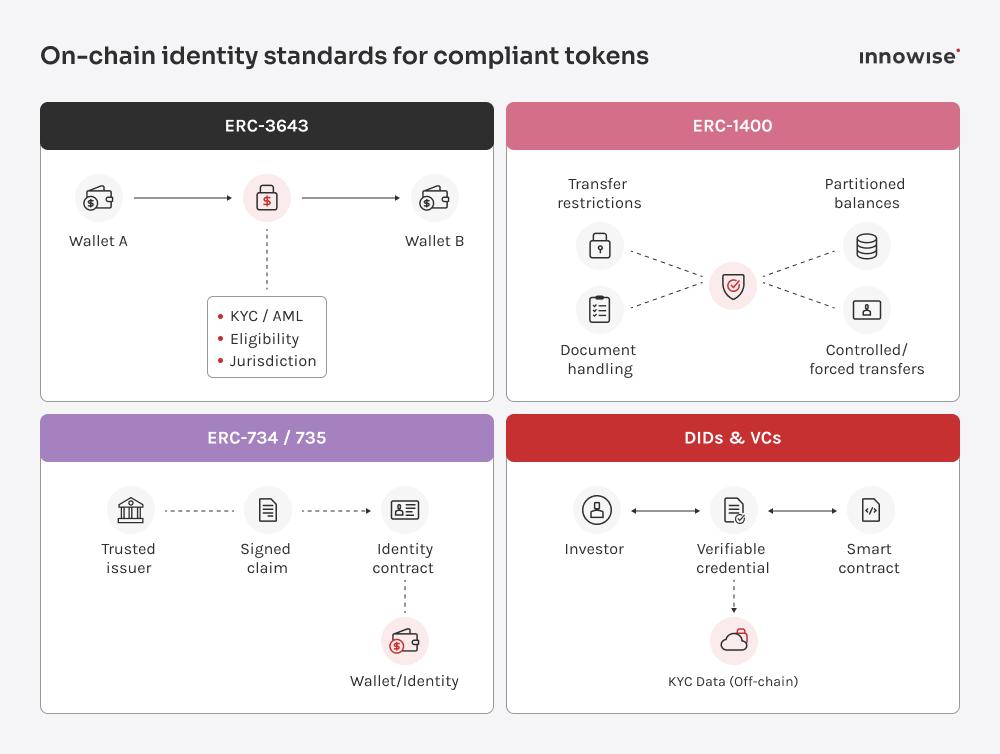
Another frequent error is choosing the wrong blockchain for high-value items. Using a low-cost, high-throughput chain for a $50,000 watch might save fractions of a cent in fees but exposes the asset to security risks or regulatory ambiguity. Luxury assets require chains with robust identity verification (KYC/AML) layers and clear legal precedents. Ethereum or regulated private ledgers are often safer bets than speculative alt-chains.
Finally, many projects ignore the "oracle problem"—the disconnect between the digital record and the physical reality. If a tokenized painting is damaged or authenticated incorrectly, the token price should reflect that. Most platforms lack the insurance and custody mechanisms to handle this. Always verify that the issuer has a clear redemption protocol and that the physical asset is held by a recognized, insured custodian, not just a warehouse receipt.
Tokenized luxury: what to check next
Before committing capital to onchain luxury assets, it helps to separate the technology from the business model. The following answers address the most common practical objections and regulatory concerns raised by investors in 2026.
Helpful gear
Use these product recommendations as a starting point, then choose the size, material, and price point that fit how you actually use the gear.


As an Amazon Associate, we may earn from qualifying purchases.
No comments yet. Be the first to share your thoughts!